Airy Chiffon Sponge Cake

Lush and simple, light, porous, airy! Juicy chiffon sponge cake is perfect as a base for any cakes and pastries, especially with chilled fillings. Make mousse cakes from it, layer with whipped cream. And enjoy the amazingly tender dessert that always turns out!
cook time: 1h 10 min
Zoe Kendrick
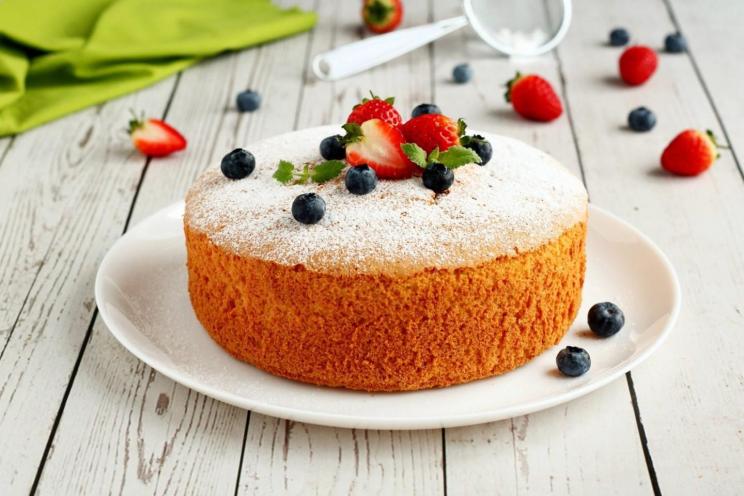
Airy Chiffon Sponge Cake

Nutrition Facts (per serving)

292
Calories
12g
Fat
35g
Carbs
8g
Protein

Ingredients (8 portions)

Basic:

Salt (pinch) 0.2 tsp
Sugar 80 g
Wheat flour 105 g
Milk 50 g
Eggs (large) 3 pc
Vegetable oil 35 g
Baking powder 5 g
Vanilla sugar 5 g

Recipe instructions

Step 1
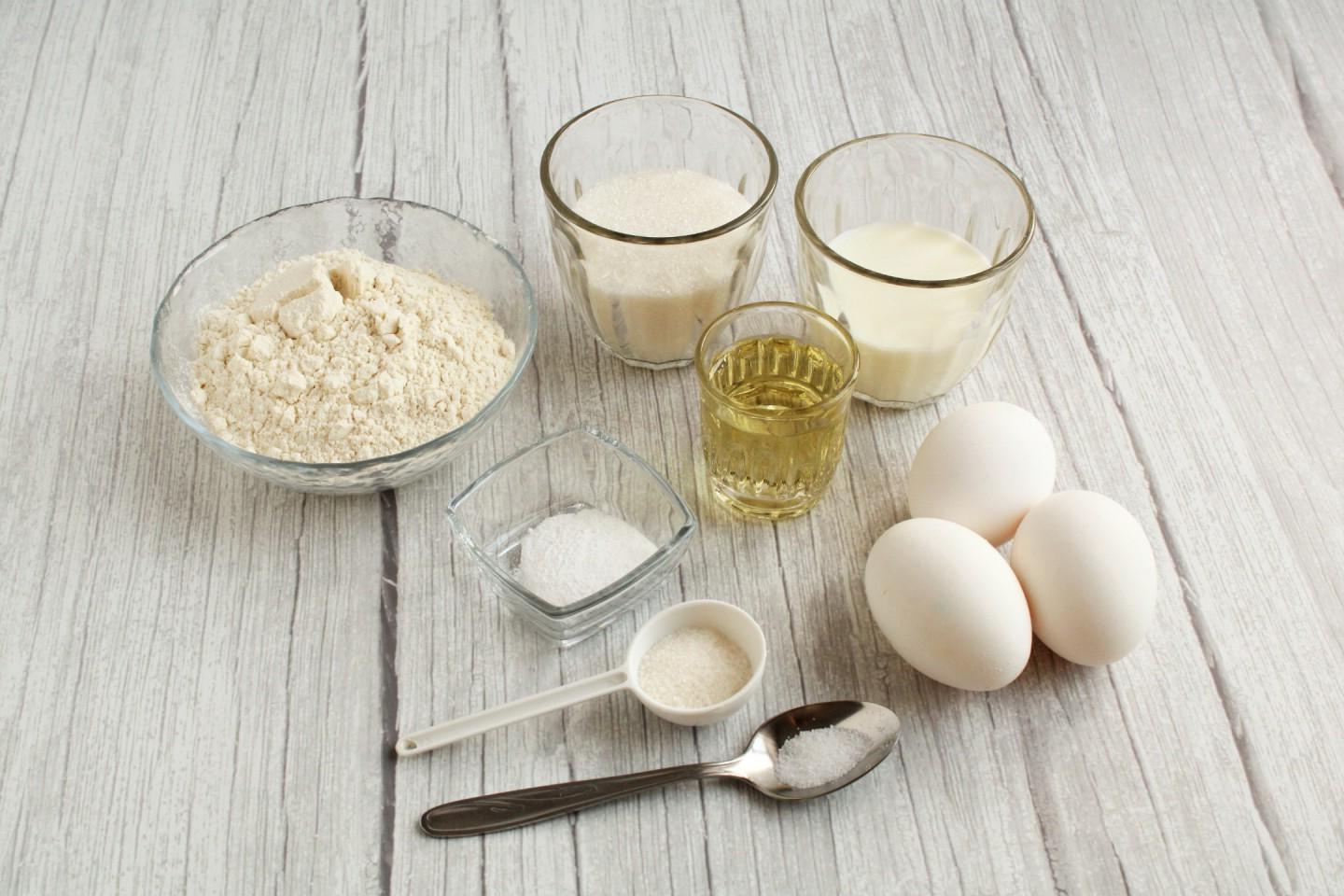
Step 1
How to make chiffon sponge cake? Measure out the required ingredients. All products must be at room temperature, so you need to prepare them in advance. Take the highest grade flour. Vegetable oil must be odorless. Milk of any fat content is suitable.

Step 2

Step 2
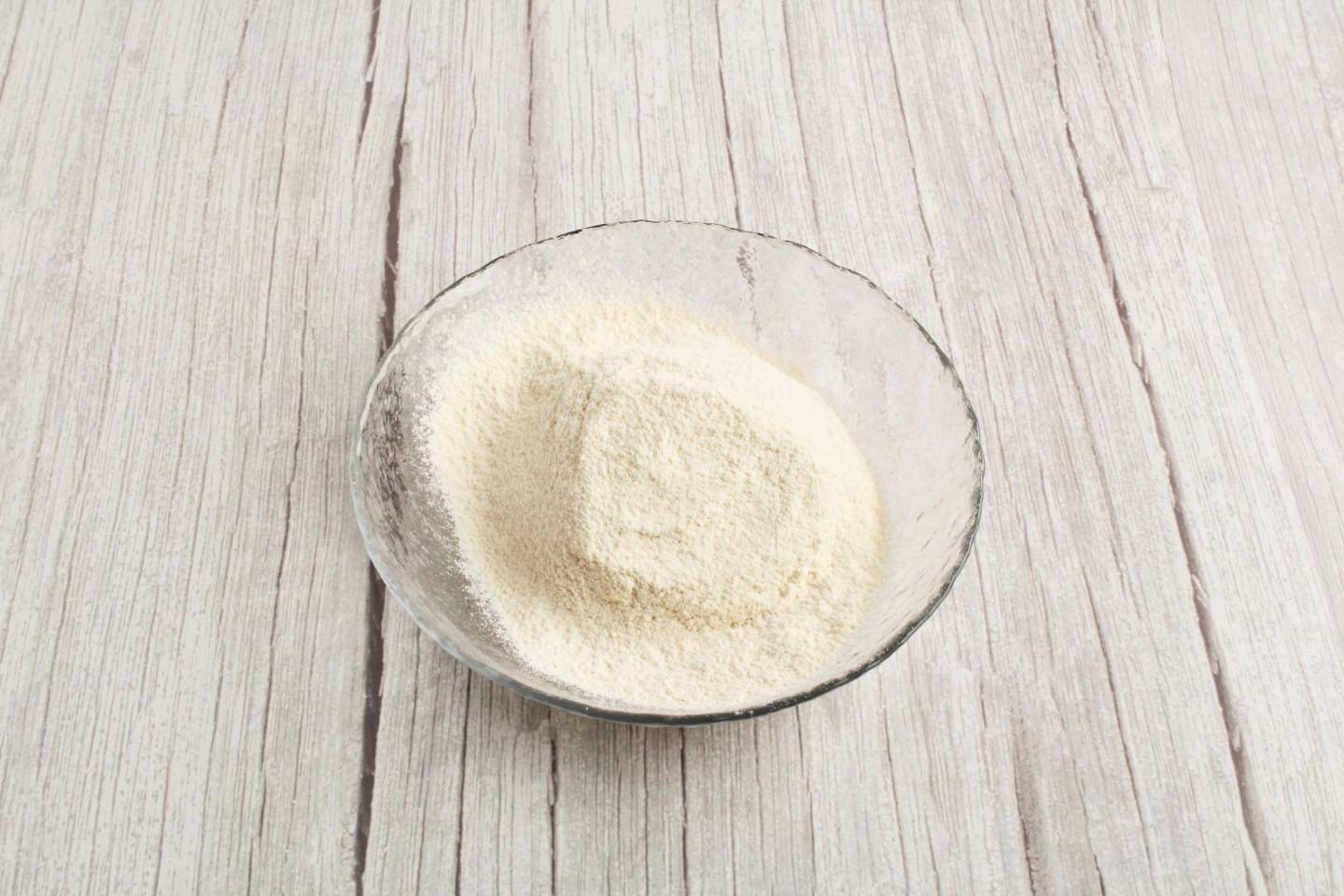
Mix flour with baking powder, sift through a sieve into a wide container. Sifting saturates the flour with air bubbles, resulting in fluffy and airy baked goods.

Step 3

Step 3
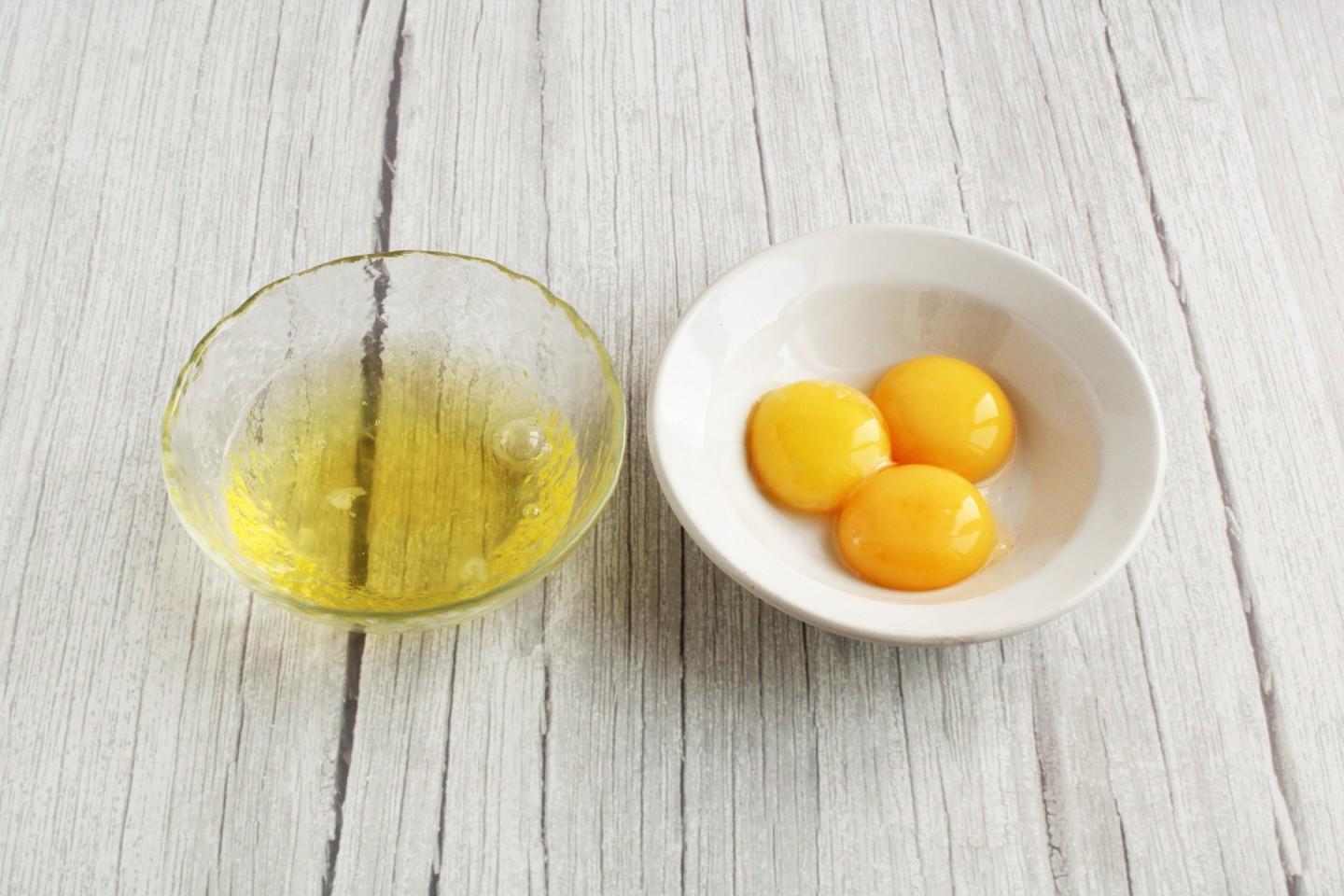
Take fresh eggs. If the eggs are small, then increase their number to 4. Wash the eggs and dry them. Separate the eggs into whites and yolks. Do this carefully so that not a drop of yolk gets into the whites. Otherwise, the whites will not whip to a strong foam.

Step 4

Step 4
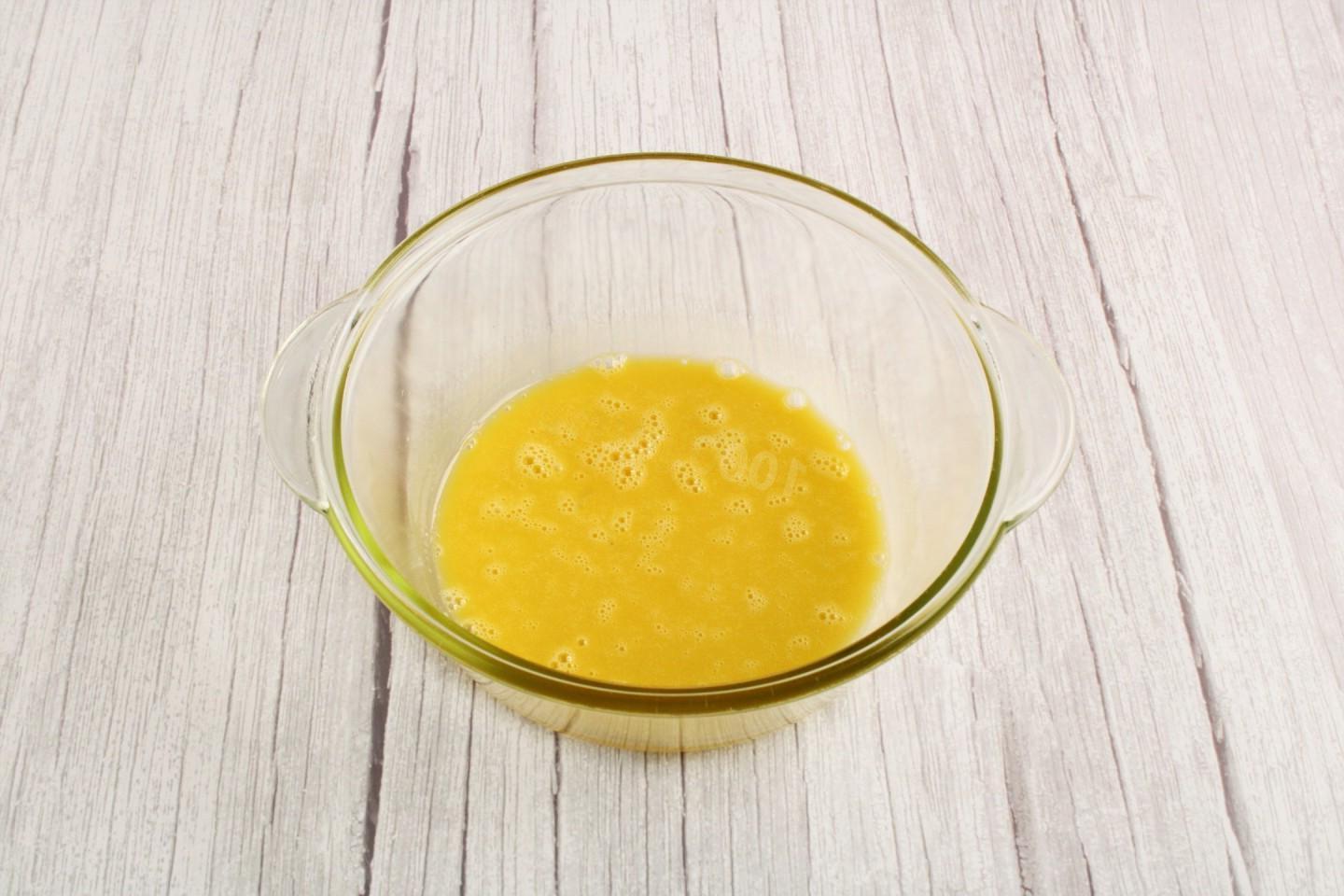
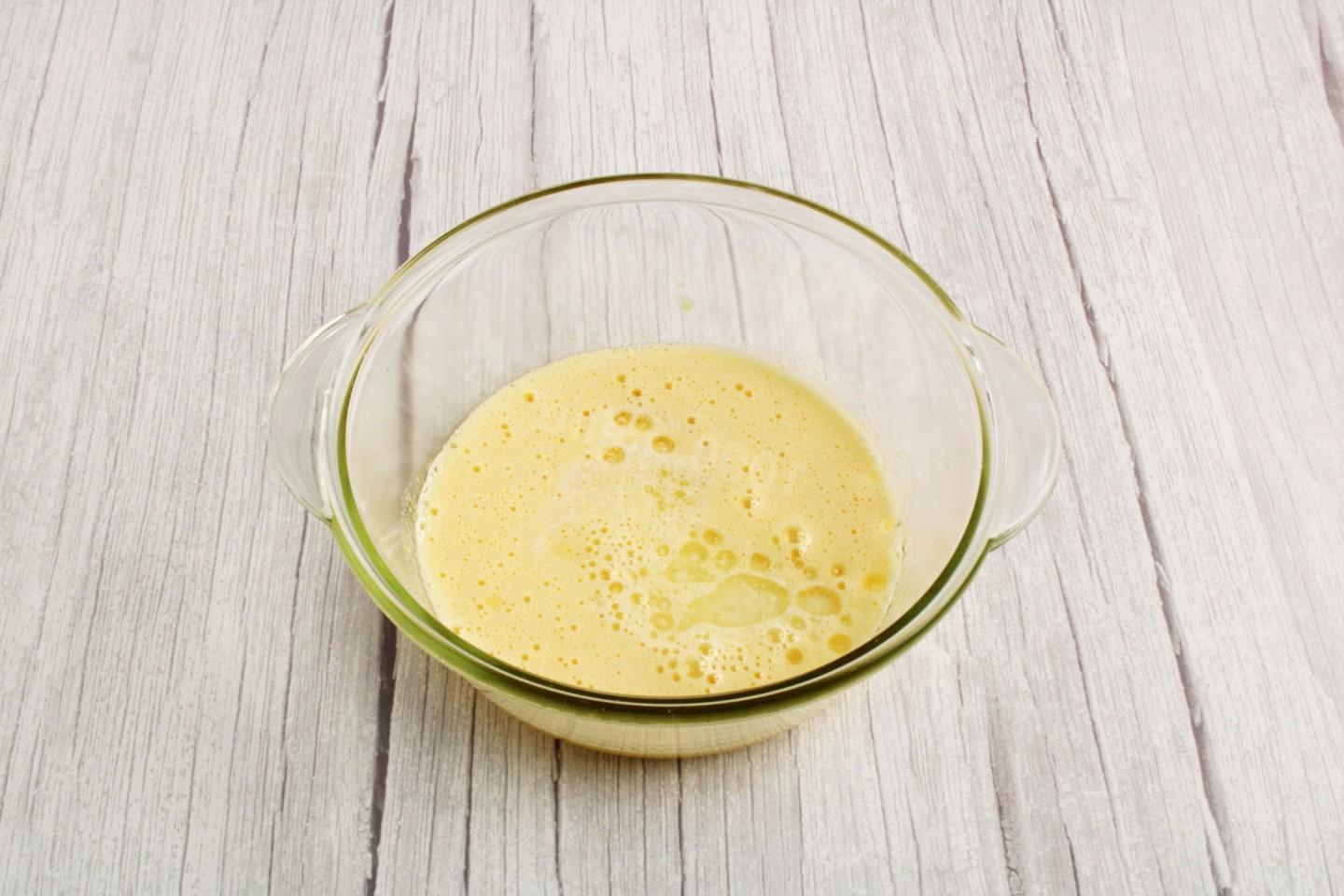
In a suitable sized bowl, beat the yolks. No special splendor is required here; it is enough for the yolks to combine into a homogeneous mass. Therefore, use a regular hand whisk.

Step 5

Step 5
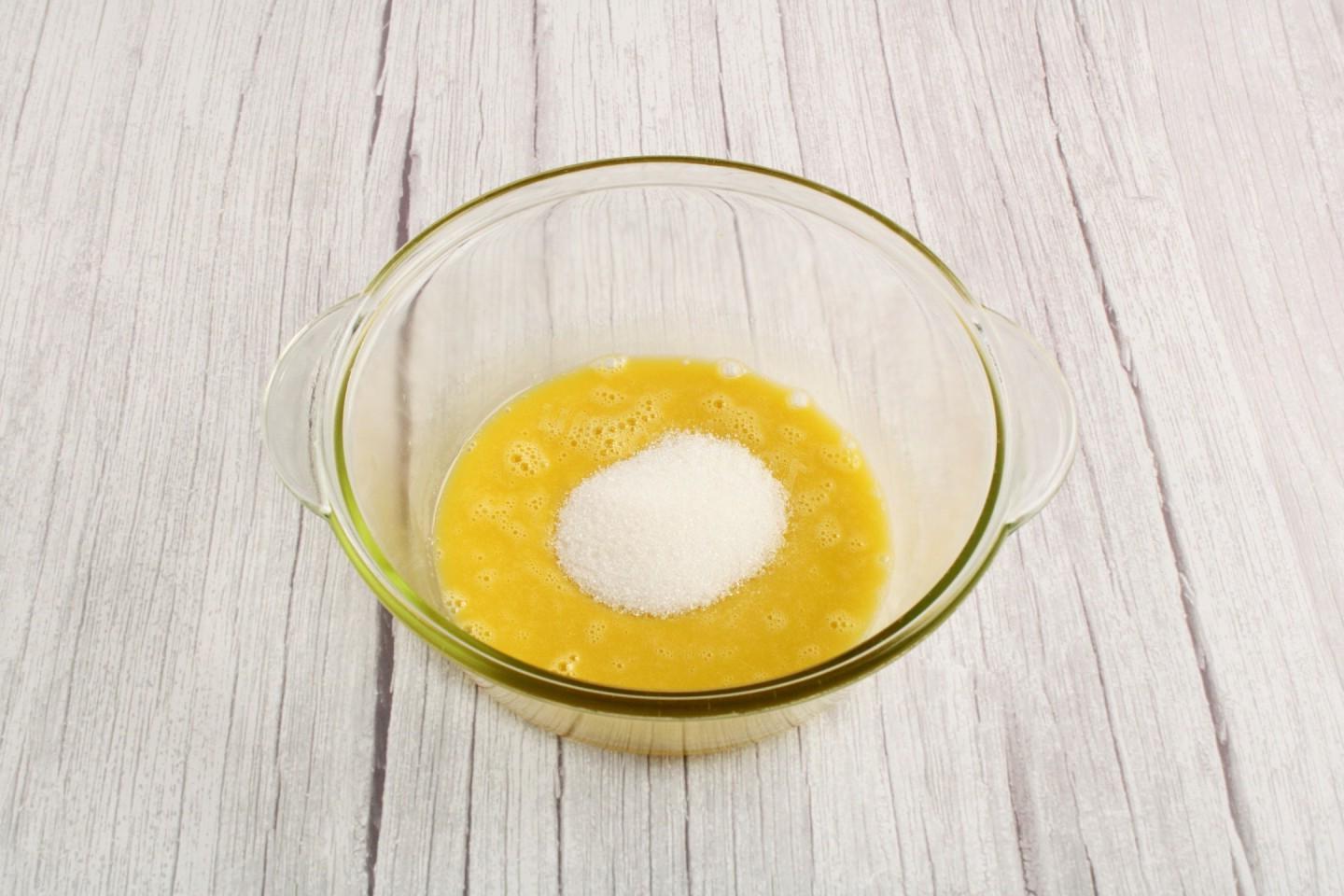
Add 30 grams of sugar to the yolks and beat again.

Step 6

Step 6
Add milk and vegetable oil to the resulting mass, stir until smooth.

Step 7

Step 7
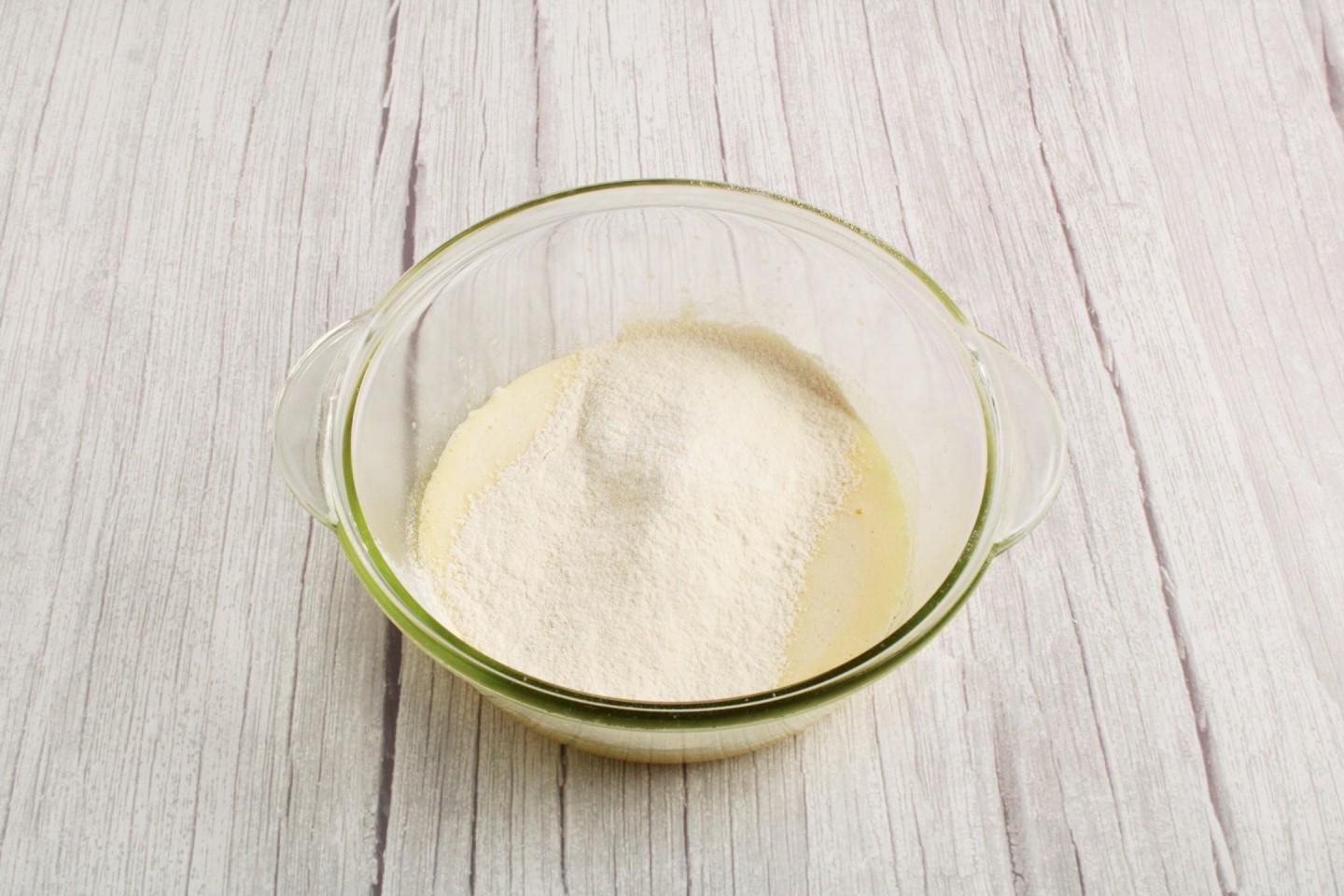
Add the flour sifted with baking powder and mix thoroughly until the lumps disappear.

Step 8

Step 8
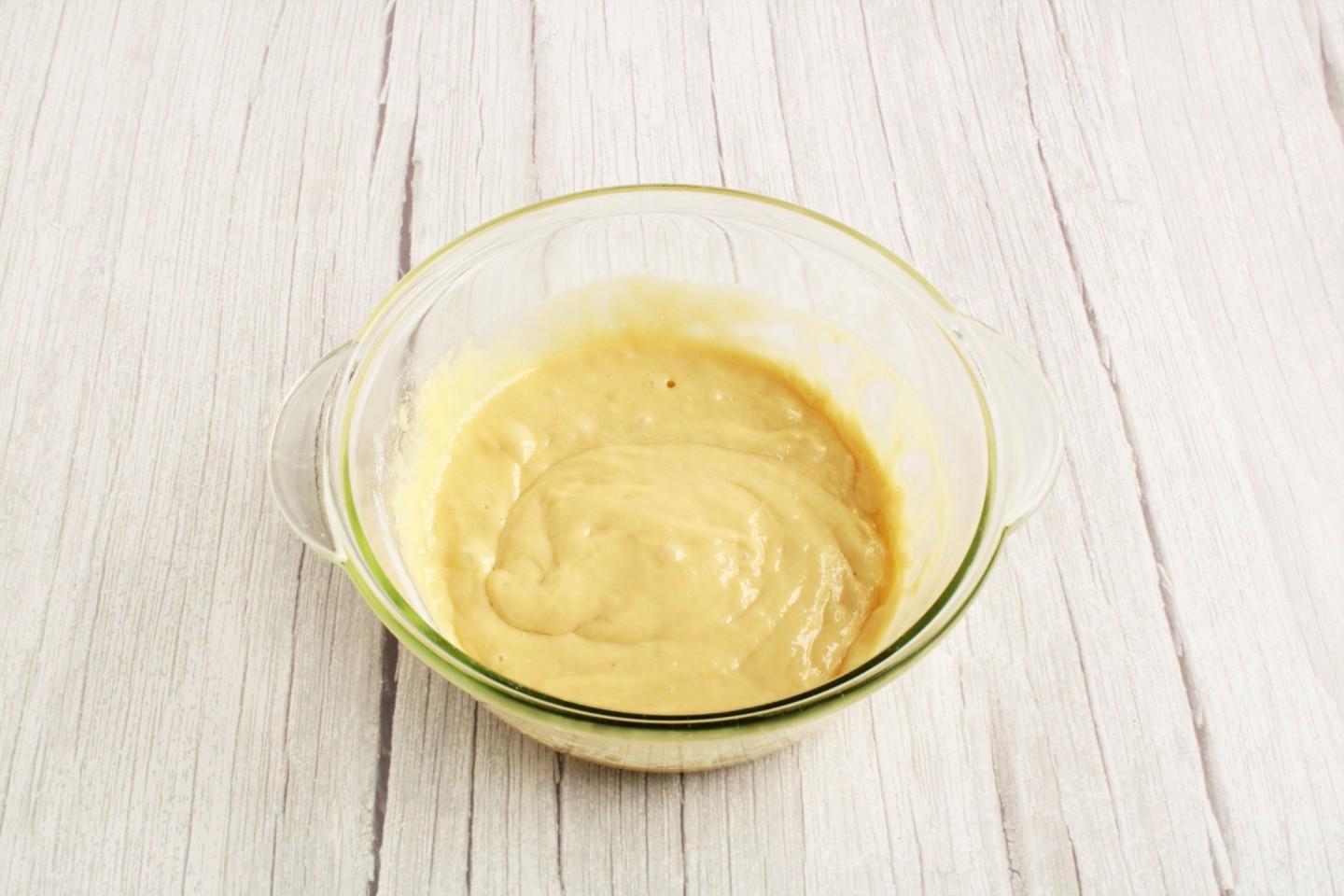
You should get a thick, viscous, homogeneous dough.

Step 9

Step 9
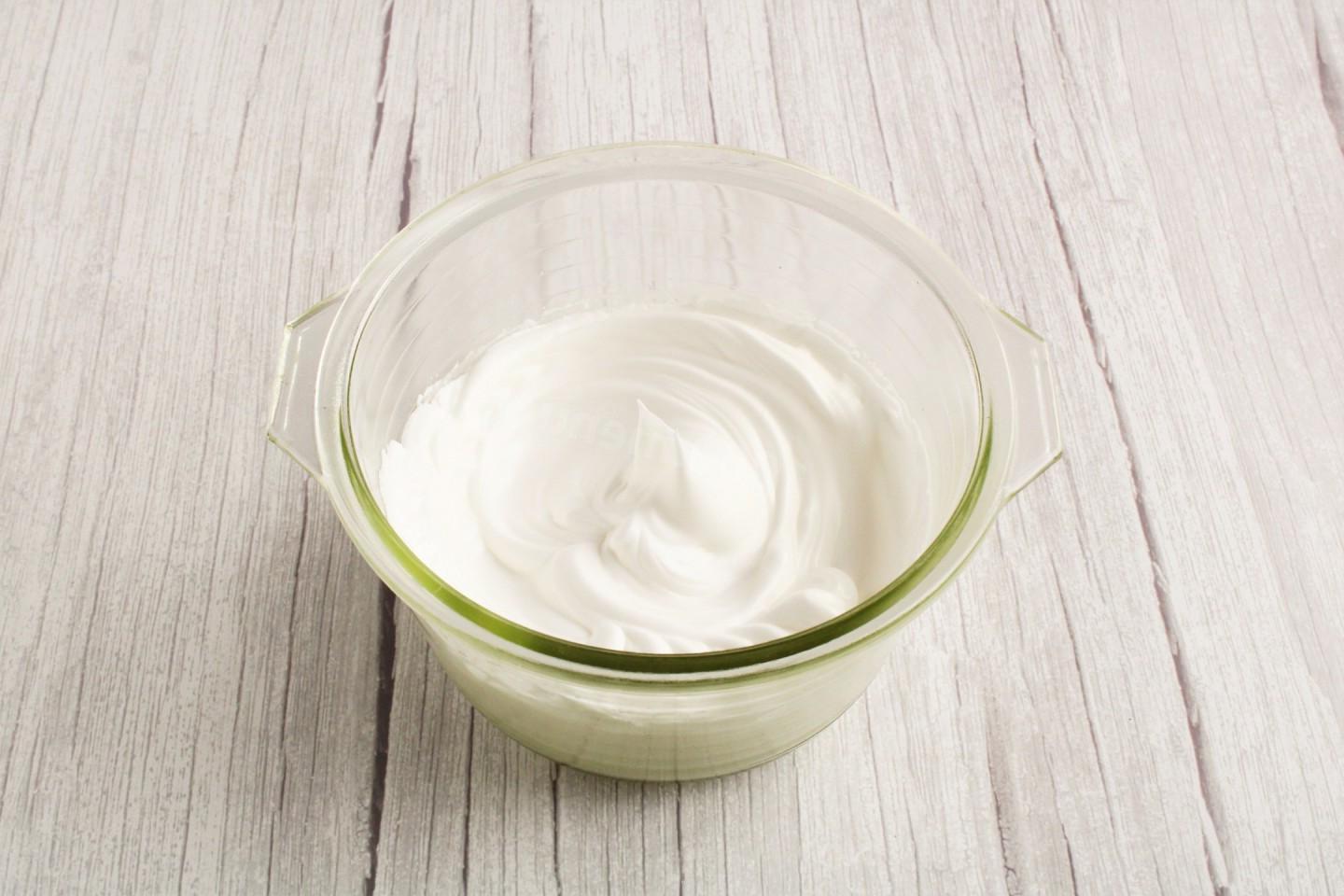
Beat the whites. How to whip egg whites into a strong foam? Dishes must be dry and grease-free. Choose a bowl with high sides, as the egg whites will increase in volume as you beat them. Add salt to the whites and beat at low speed until soft peaks form. Without stopping whipping, add the remaining (50 g) sugar and vanilla sugar in small portions. Gradually increasing the speed to maximum, beat the egg whites until they form a thick, thick foam.

Step 10

Step 10
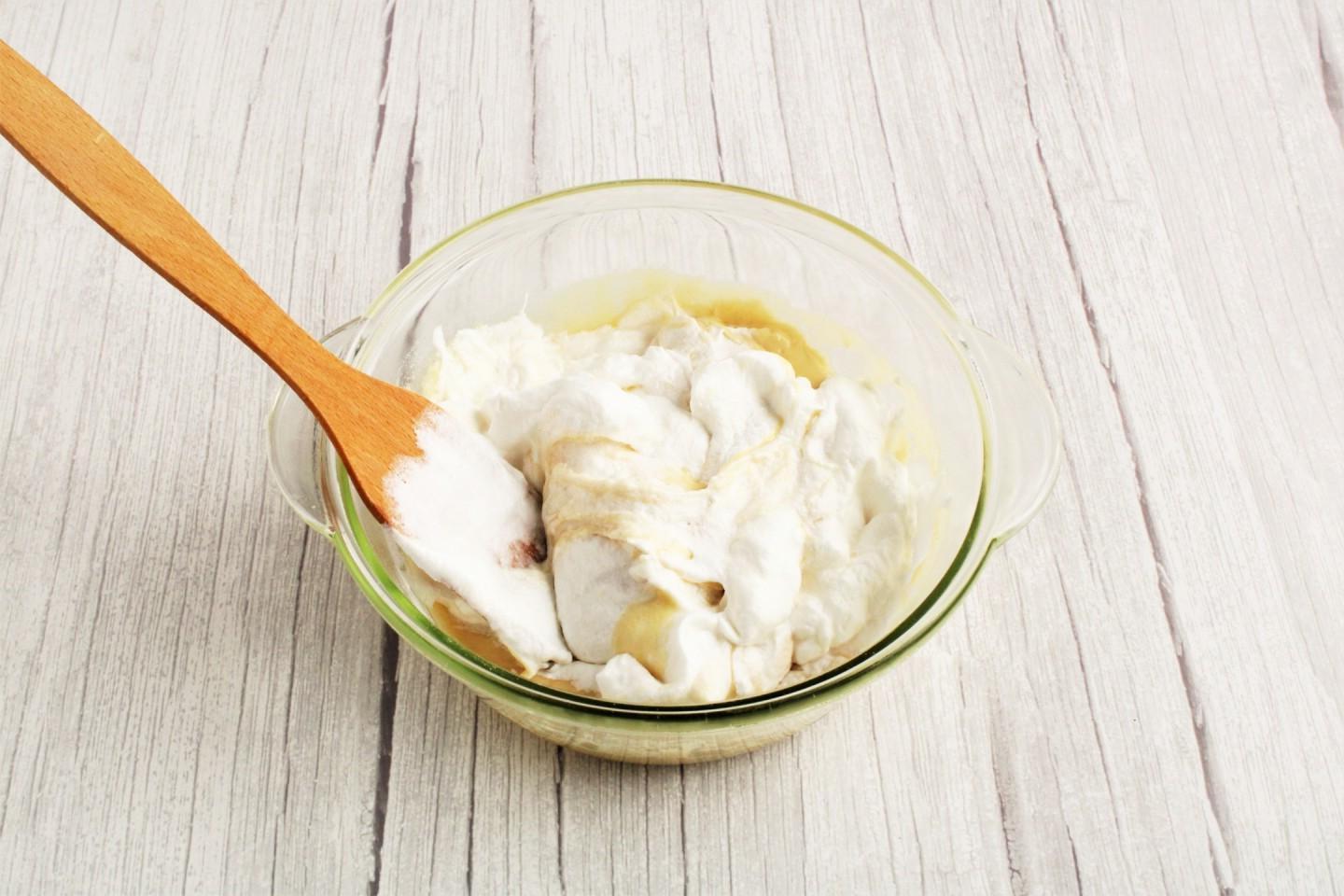
Add about 1/3 of the whipped egg whites to the resulting dough. Using a wooden or silicone spatula, fold the whites into the dough using gentle upward movements. Carefully and carefully, so as not to disturb their airy structure, gradually add all the proteins into the dough.

Step 11

Step 11
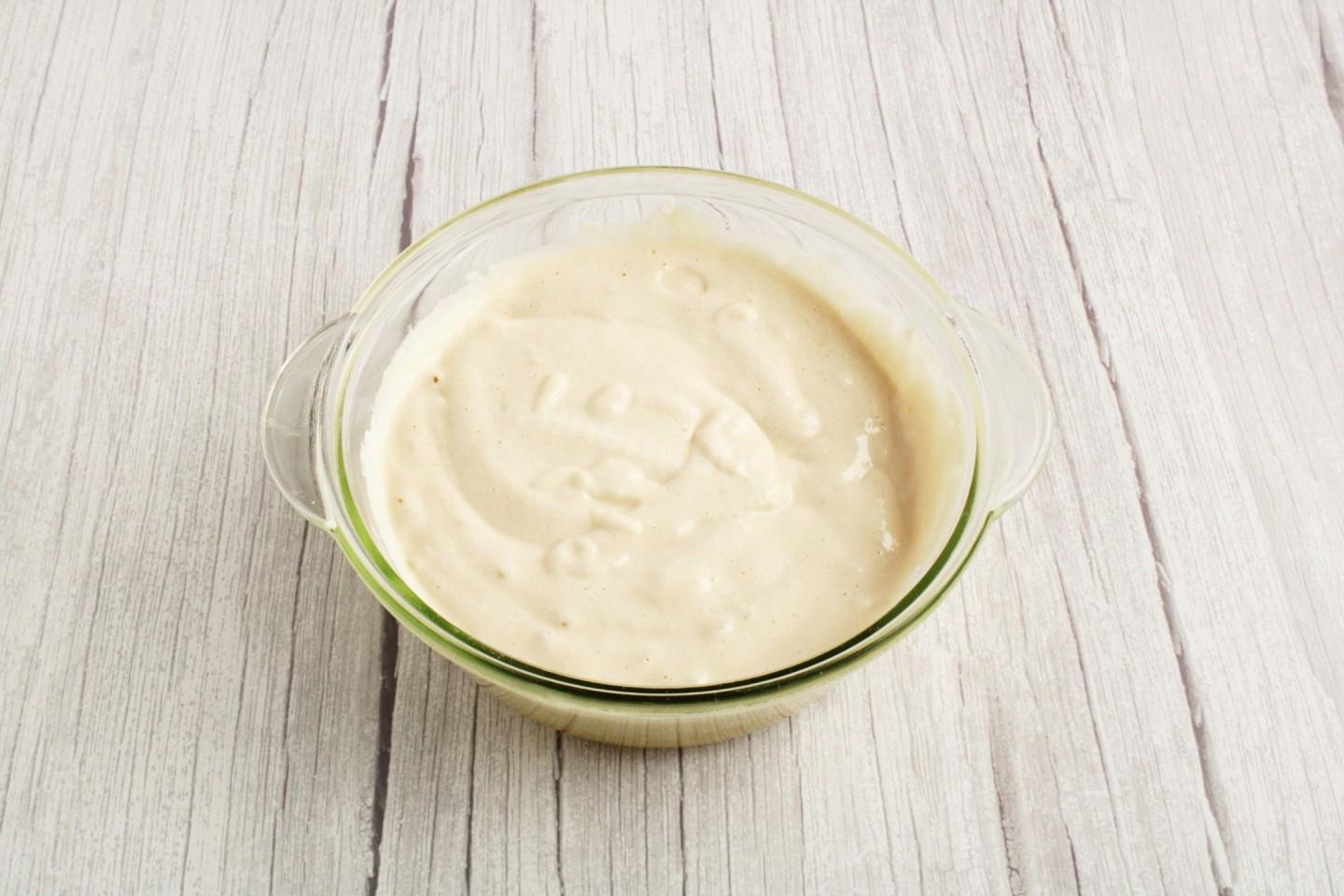
The dough turns out viscous, flowing, airy.

Step 12

Step 12
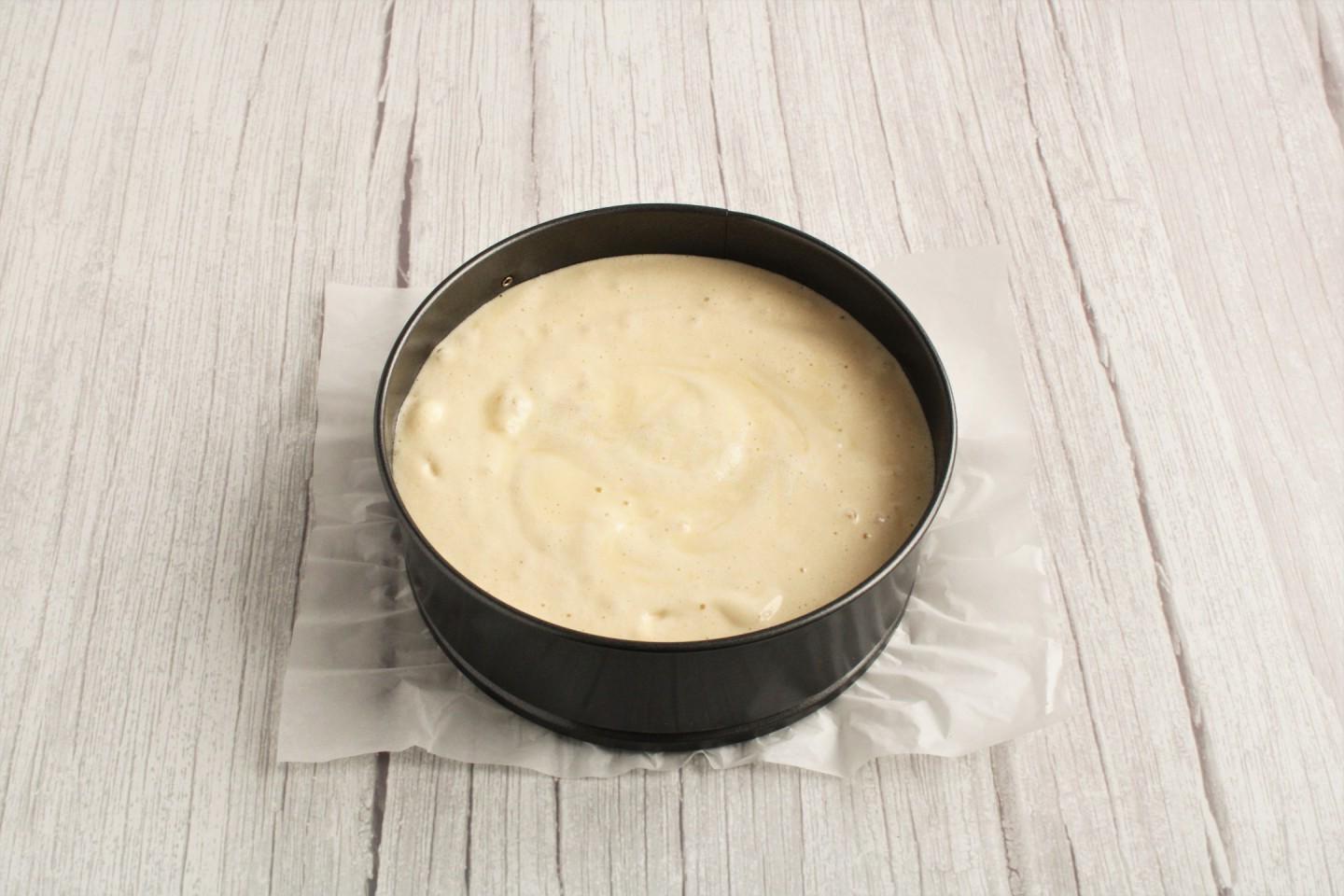
Line the bottom of the baking pan with parchment. There is no need to lubricate the sides of the mold with anything. Pour the dough into the mold.

Step 13

Step 13
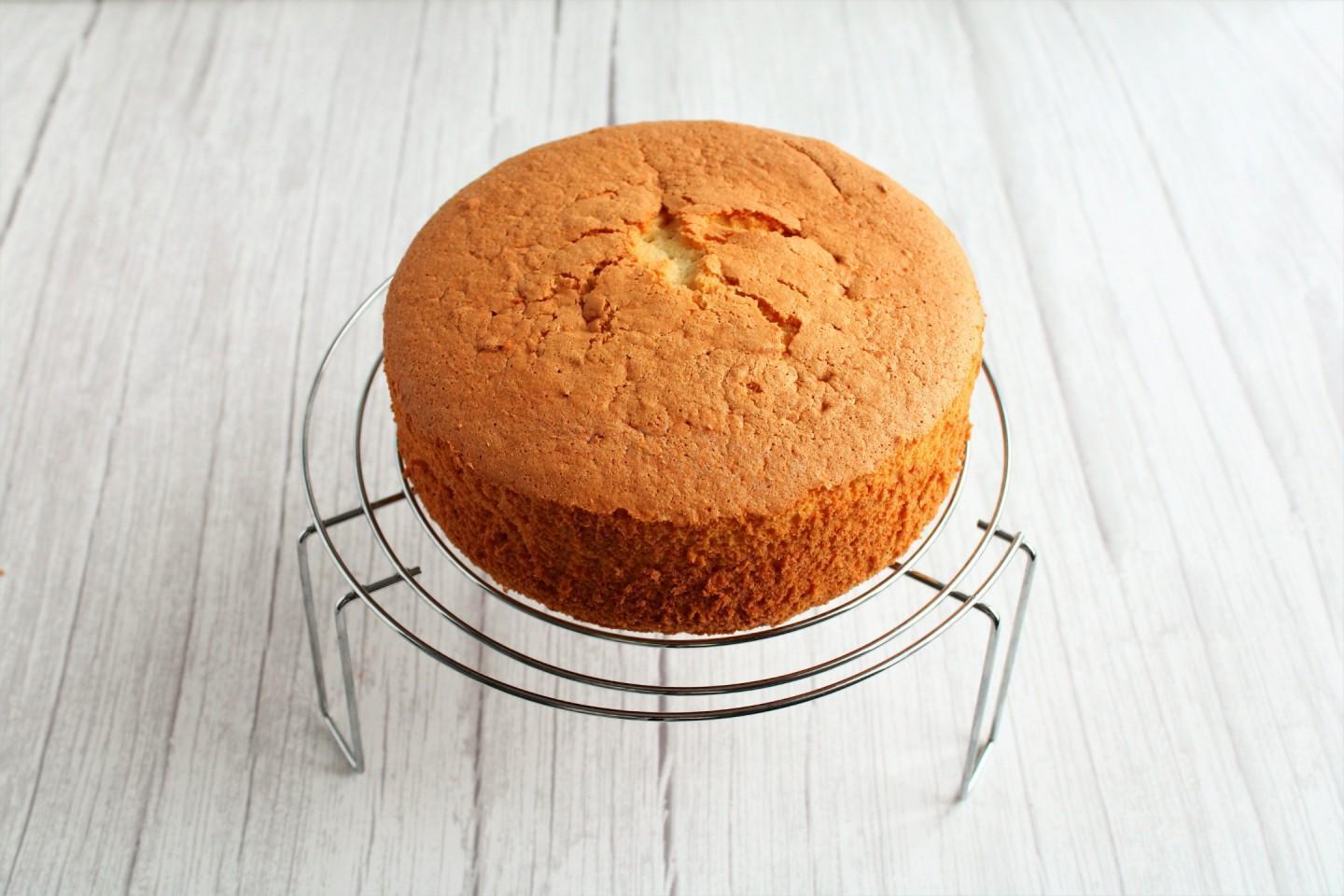
Bake the biscuit in an oven preheated to 160-170C for about 45 minutes. Do not open the oven for the first 30 minutes so that the biscuit does not settle due to temperature changes. Towards the end of baking, check the sponge cake for doneness with a wooden skewer. If it is dry, then the biscuit is ready. Turn off the oven and leave the biscuit in it for another 5-7 minutes, then remove. Baking time will depend on the characteristics of your oven. Cool the finished biscuit on a wire rack.

Step 14

Step 14
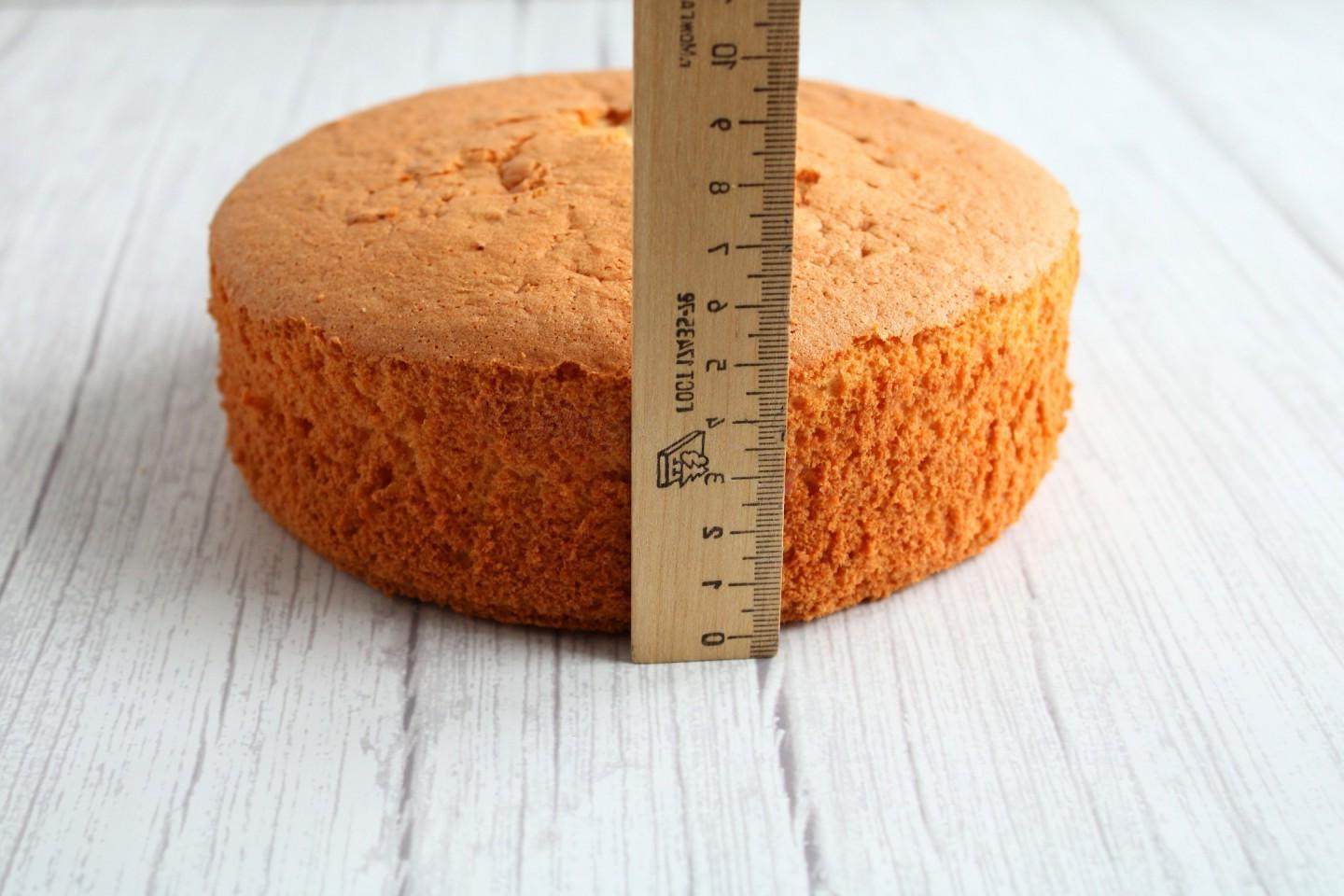
In a mold d=20 cm, the sponge cake turned out to be 5.5 cm high. Wrap the cooled sponge cake in cling film and leave for 8-10 hours so that its structure becomes denser.

Step 15

Step 15
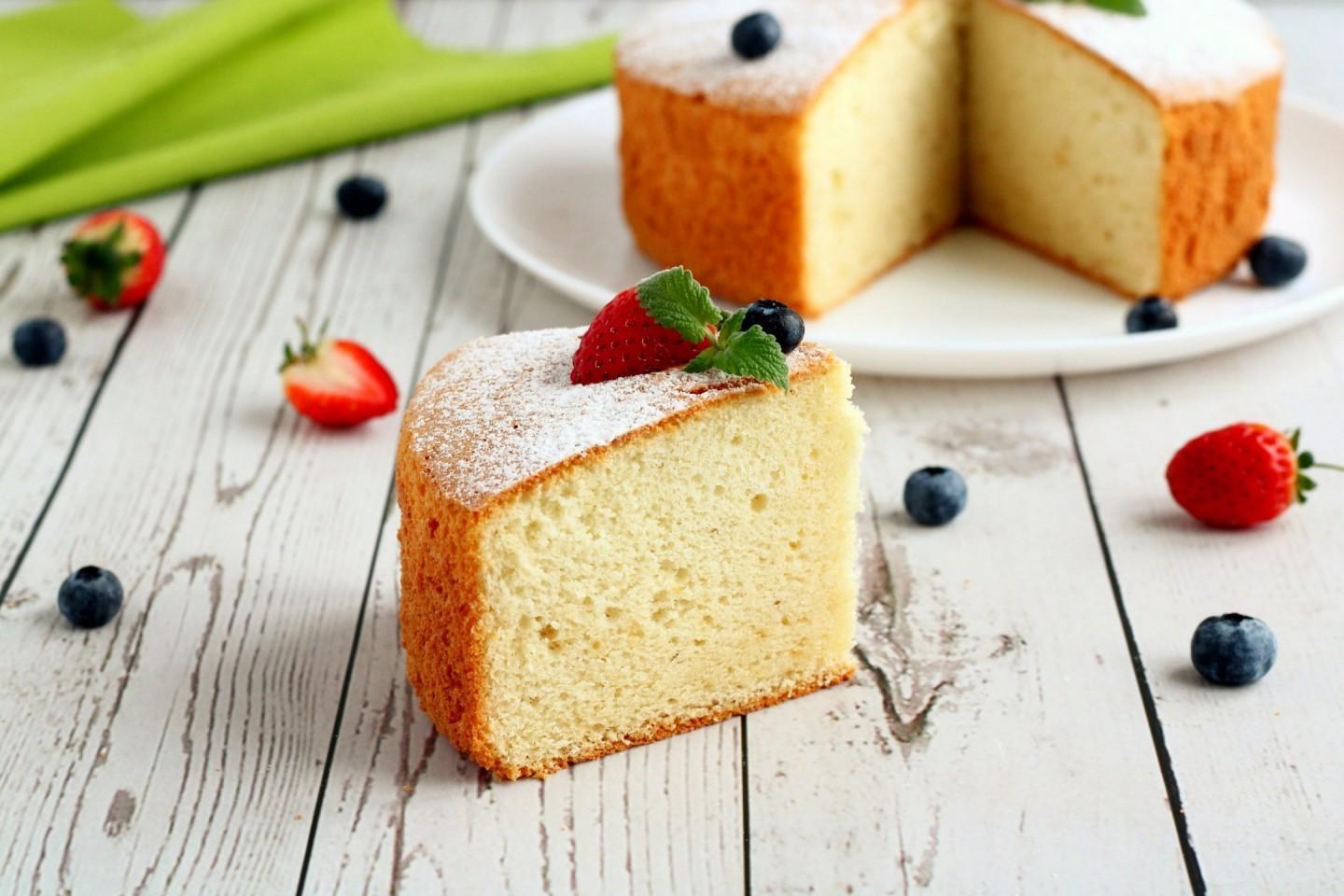
By cutting the sponge cake into layers and layering them with any filling or cream, you can make a delicious cake. Or you can serve the biscuit just like that, cutting it into portions. Bon appetit!