Healthy Homemade Sourdough Tartine

The most delicious and healthy — you can’t buy this in a store! Sourdough tartine bread has a special airiness and sour aftertaste, as it is prepared through long fermentation. Whole grain flour is added to this bread, which makes it even healthier.
cook time: 24h
Owen Truitt
Healthy Homemade Sourdough Tartine

Nutrition Facts (per serving)

218
Calories
3g
Fat
36g
Carbs
7g
Protein

Ingredients (1 portion)

Basic:

Wheat flour 320 g
Whole wheat flour 40 g
Water 230 ml
Salt 8 g
Vegetable oil 1 tbsp

For the dough:

Ready starter 40 g
Wheat flour 40 g
Water 40 ml

Recipe instructions

Step 1
Step 1
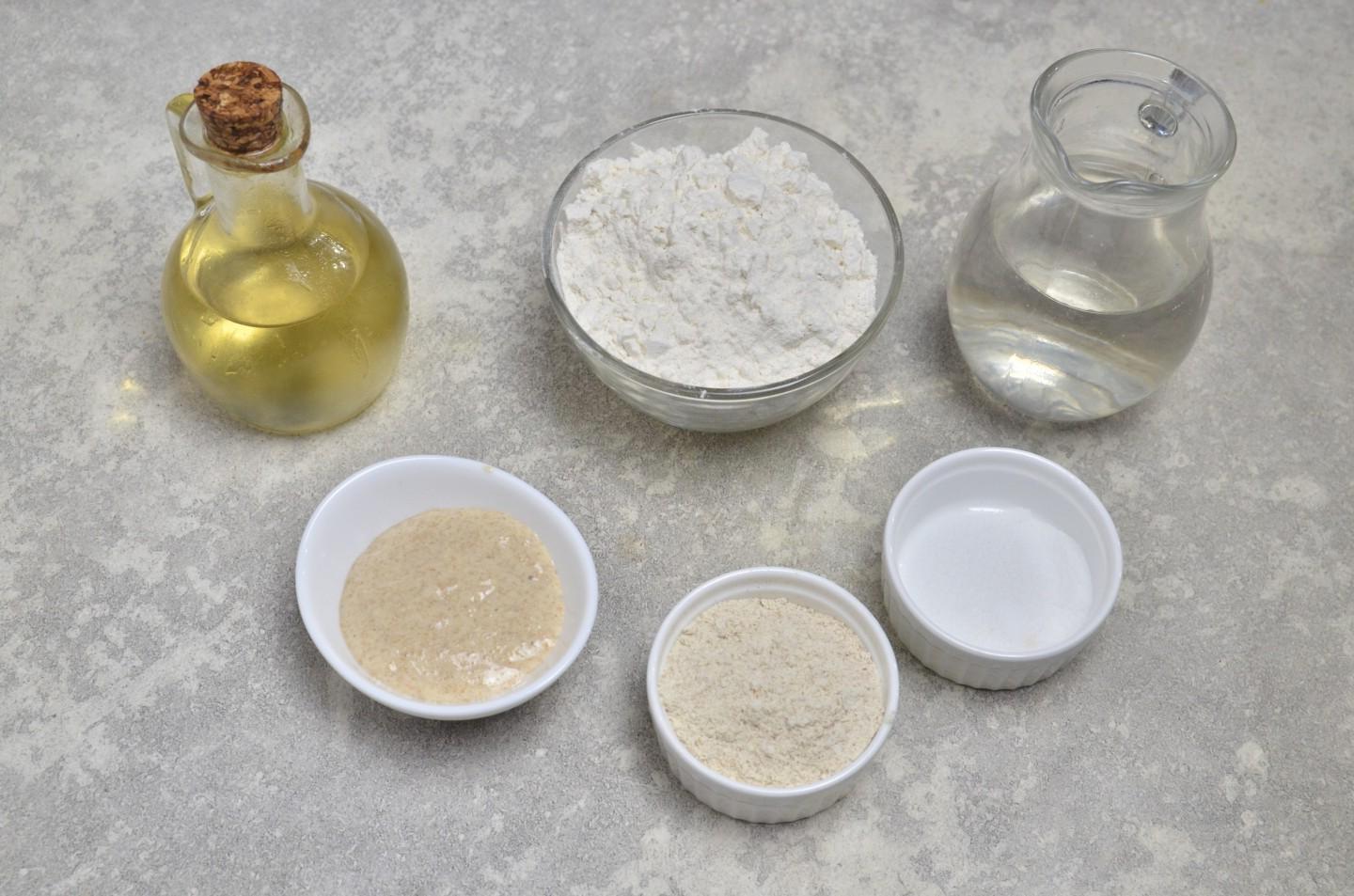
How to make sourdough tartine bread? Prepare your food. High-quality sourdough plays a decisive role here. See the recipe link at the end of the recipe. I use wheat, high in protein. Read more about this in a separate article at the link at the end of the recipe. You can change the proportions of flour — increase the amount of whole grain. Take filtered water, but not boiled.

Step 2

Step 2
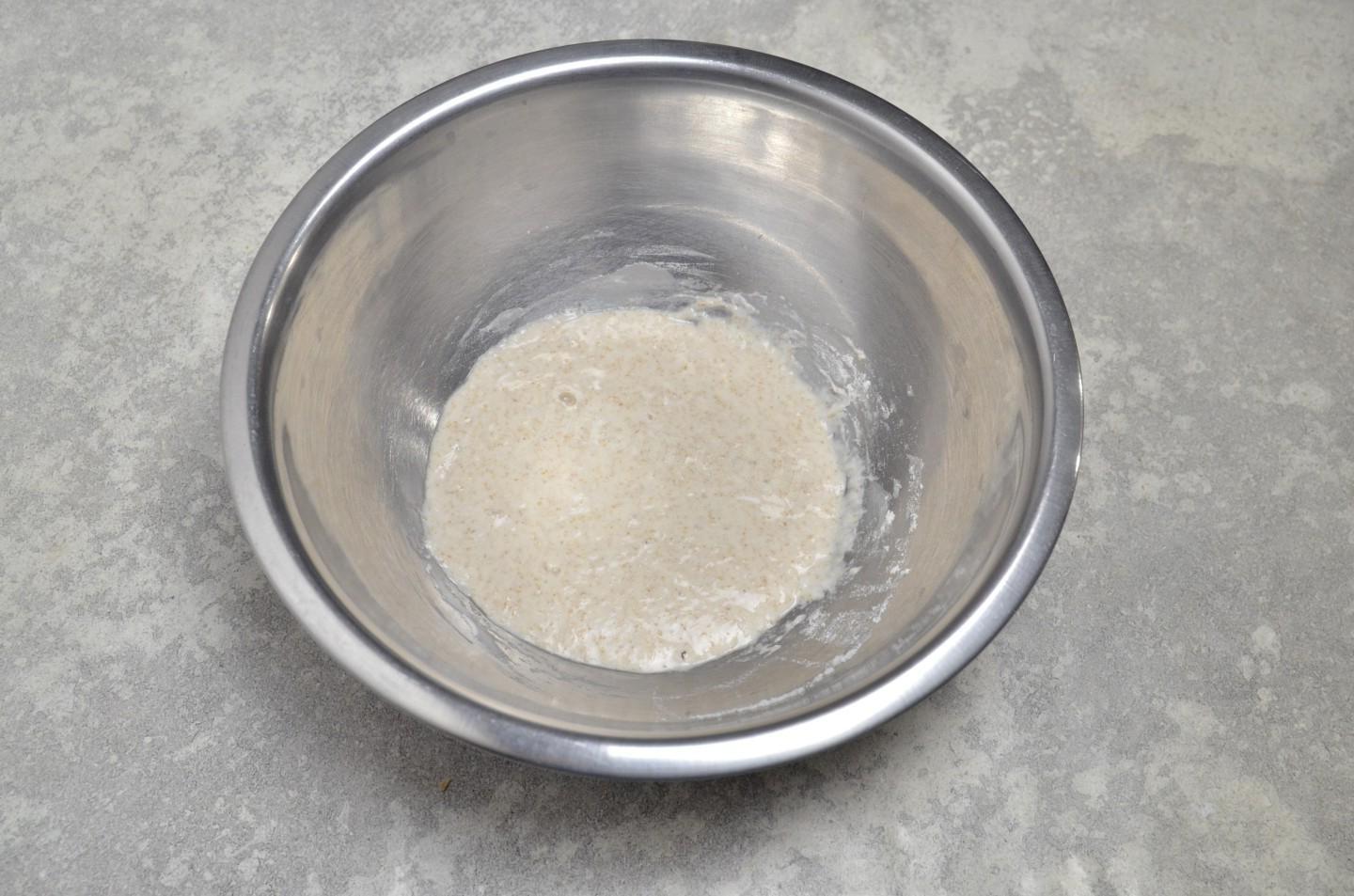
Preparation takes place in two stages — first the dough is placed, then fermentation and fermentation take place. You can put the dough in the morning, do the fermentation in the evening, put the dough in the refrigerator overnight, and bake the bread in the morning. Or leave the dough overnight, ferment it in the morning, leave it to ferment during the day and bake the bread in the evening. For the dough, take 40 grams of wheat sourdough, 40 grams of wheat flour and 40 grams of water at room temperature.

Step 3

Step 3
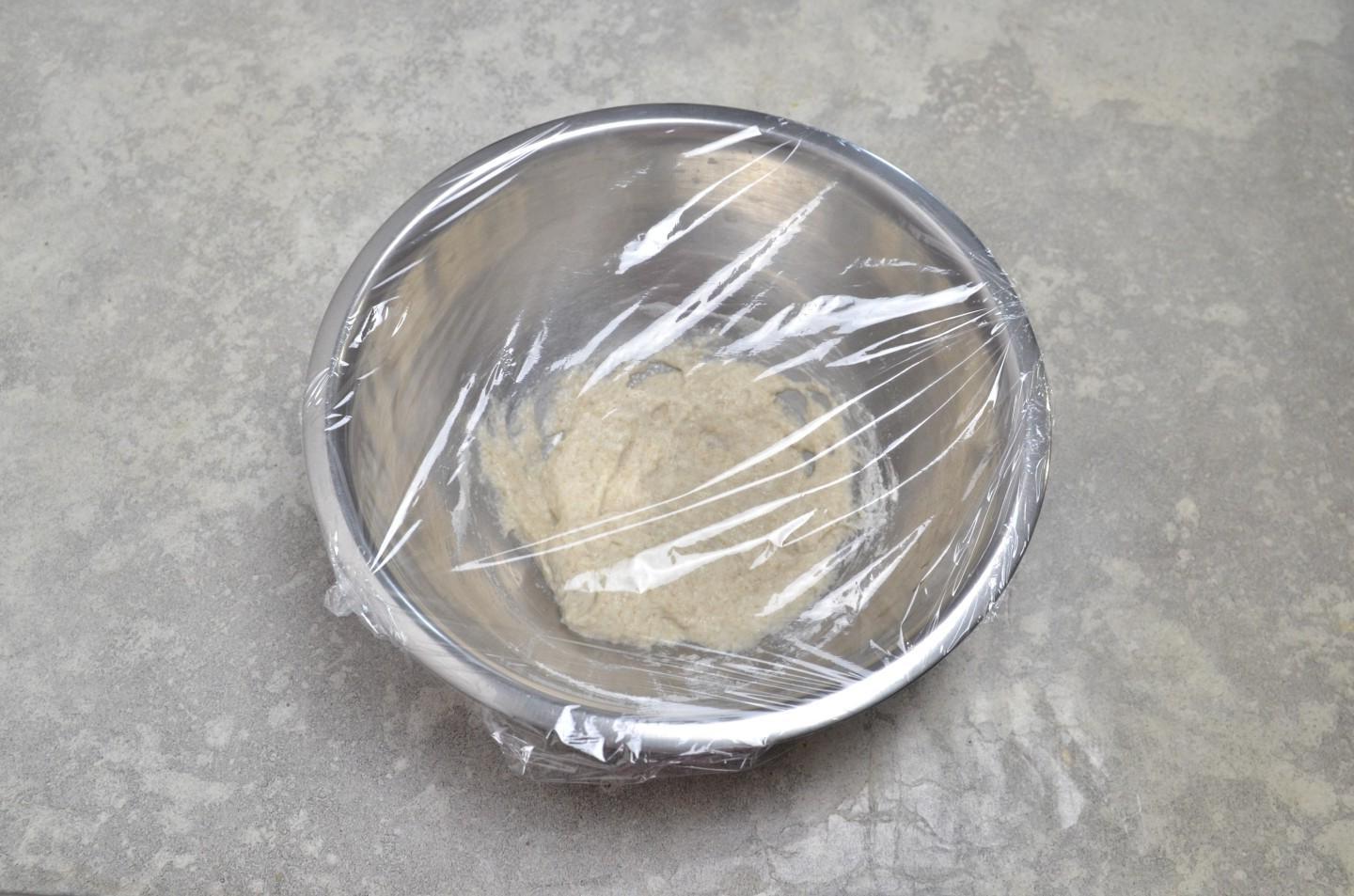
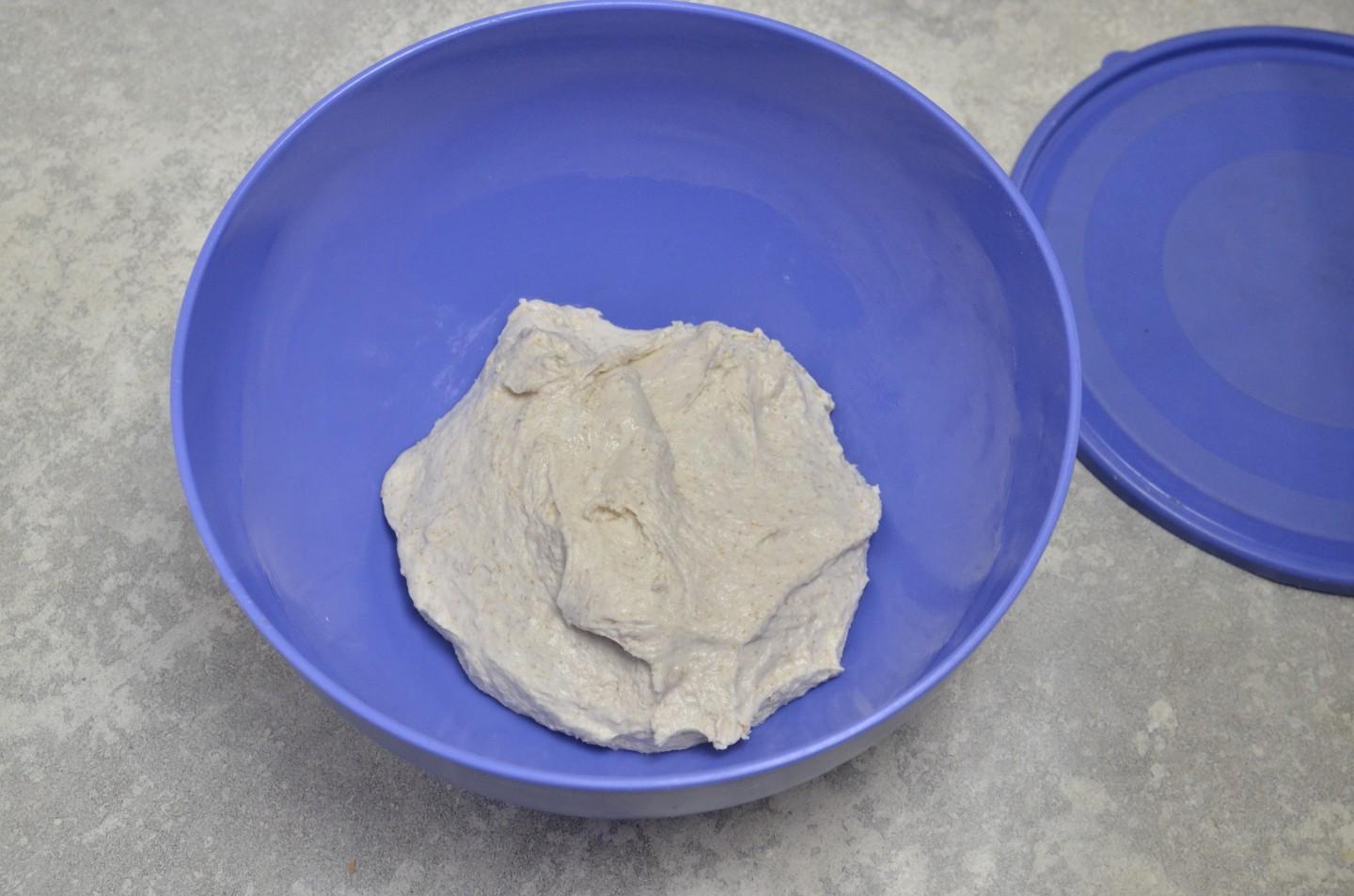
Stir, cover the bowl with the dough with cling film and leave for 6-8 hours. During this time, the dough will increase in size and bubble.

Step 4

Step 4
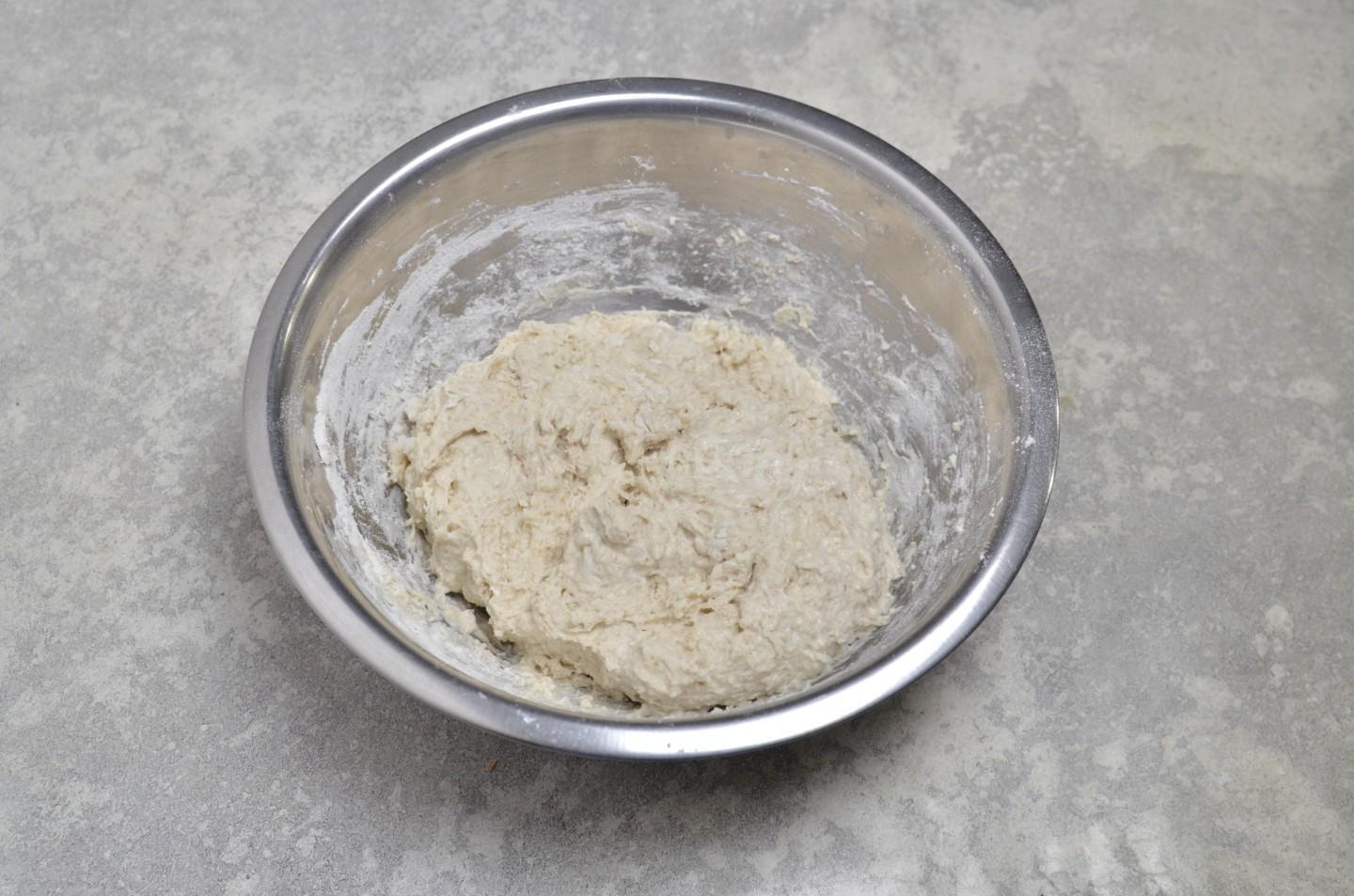
Pour 230 ml of water into it and stir. Then add 40 grams of whole grain flour and 320 grams of wheat flour. Stir the dough until the flour is moistened, then cover the bowl with cling film and leave to autolyse for 30 minutes (this is the process where gluten develops in the flour, which makes the dough more elastic and easier to work with).

Step 5

Step 5
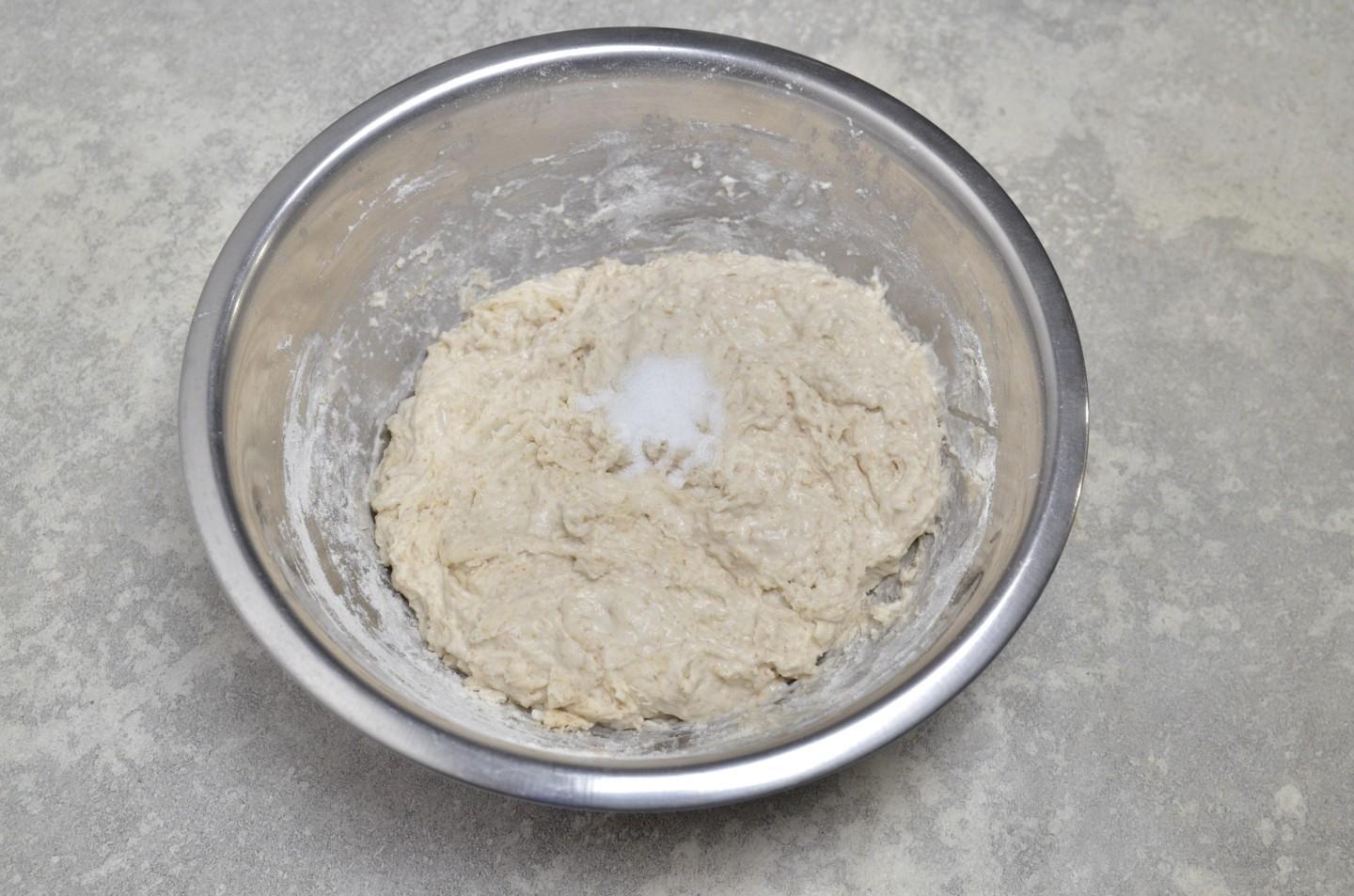
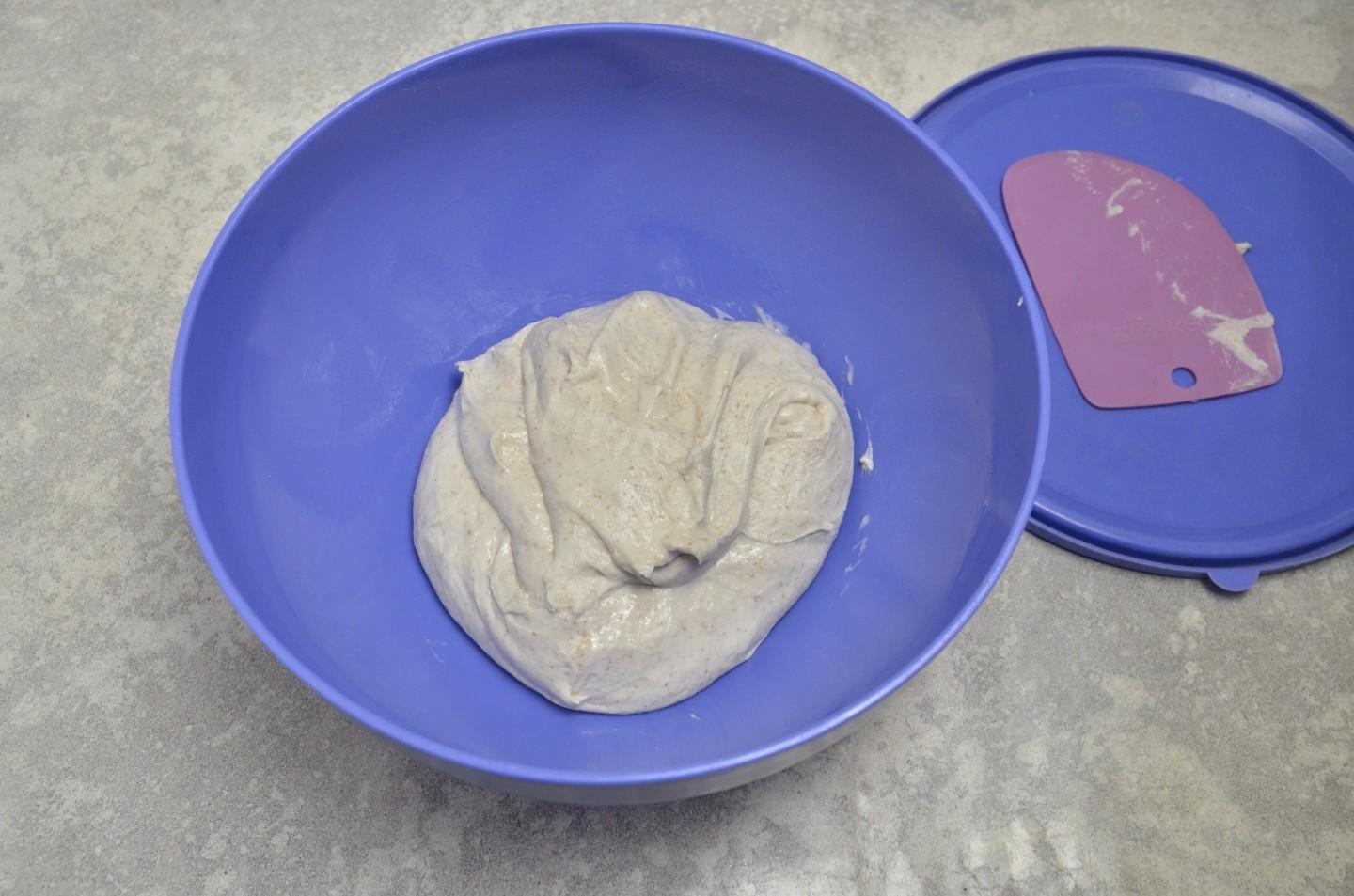
After 30 minutes, add salt and knead the dough well. You can do this with your hands, or with a mixer. The dough is quite sticky, but there is no need to add flour. Additional flour will only be needed if the dough becomes completely sticky. This can happen due to the properties of flour, read about this at the end of the recipe. Knead the dough for a long time, it will become homogeneous and begin to pull away from the walls of the bowl.

Step 6

Step 6
When this happens, transfer the dough to a bowl, the bottom and sides of which have been greased with a spoon of vegetable oil. Cover the bowl with a lid or cling film. Leave the dough on the counter for 4 hours (this process is called fermentation). Knead the dough every half hour by stretching and folding.

Step 7

Step 7
This is done like this: take one end of the dough, gently pull it up and to the side, and then fold it towards the middle. And so on each side. This process will make the dough stronger and more elastic. You will notice how it becomes less and less sticky.

Step 8

Step 8
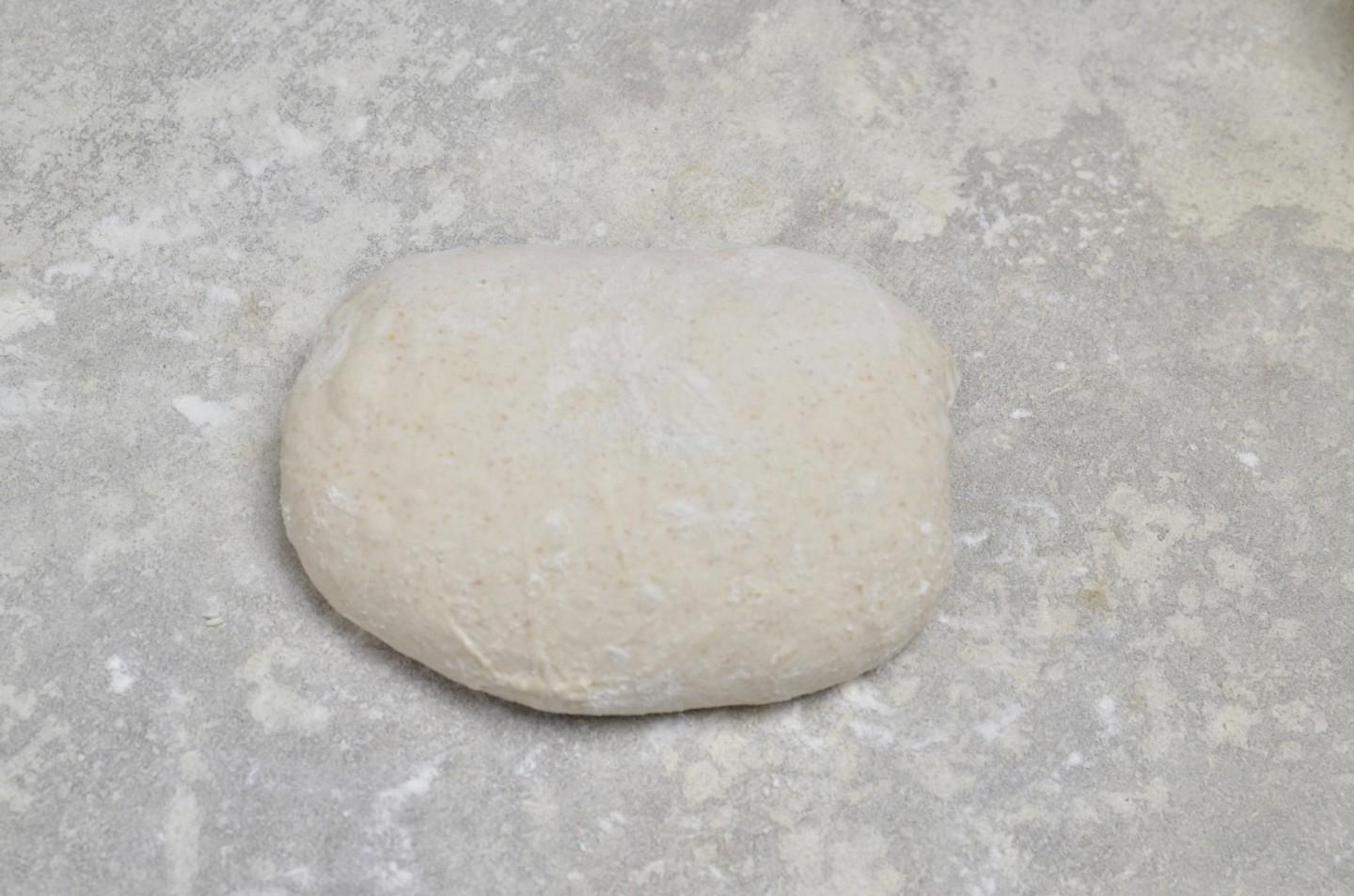
After 4 hours, place the dough on a table sprinkled with flour. Form the future bread. There are many molding methods, I do twisting. First I round the dough, then twist it on all sides, trying to do it as tightly as possible. Imagine that you are wrapping a cabbage roll — first one edge, the edges on the sides, then all together into a roll.

Step 9

Step 9
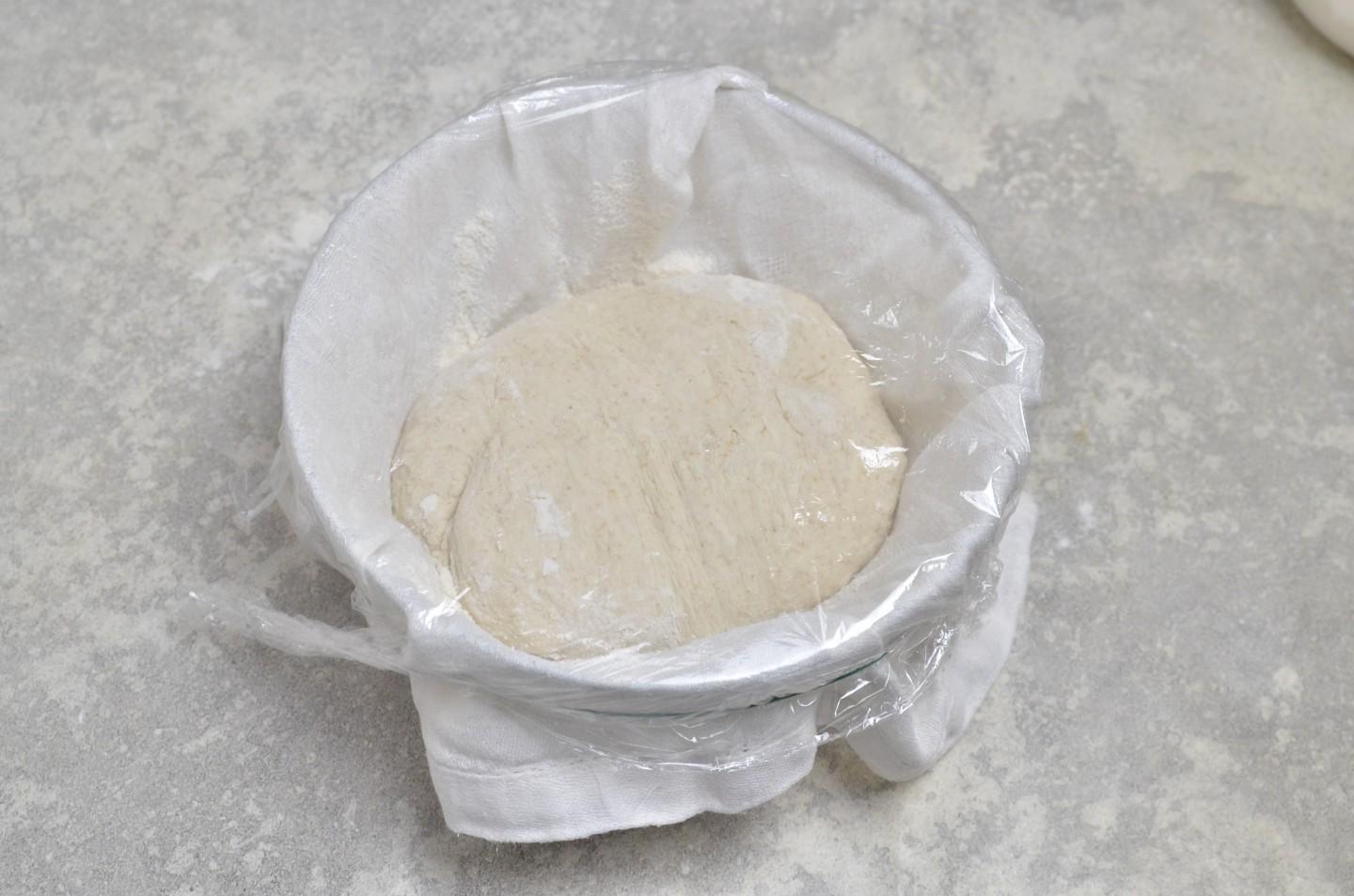
Place the resulting workpiece in a bowl or special proofing basket lined with a napkin. Be sure to dust the fabric with flour. Place the dough seam side up. Cover the bowl with cling film; I also wrapped it with an elastic band. Place in the refrigerator for 6-10 hours.

Step 10

Step 10
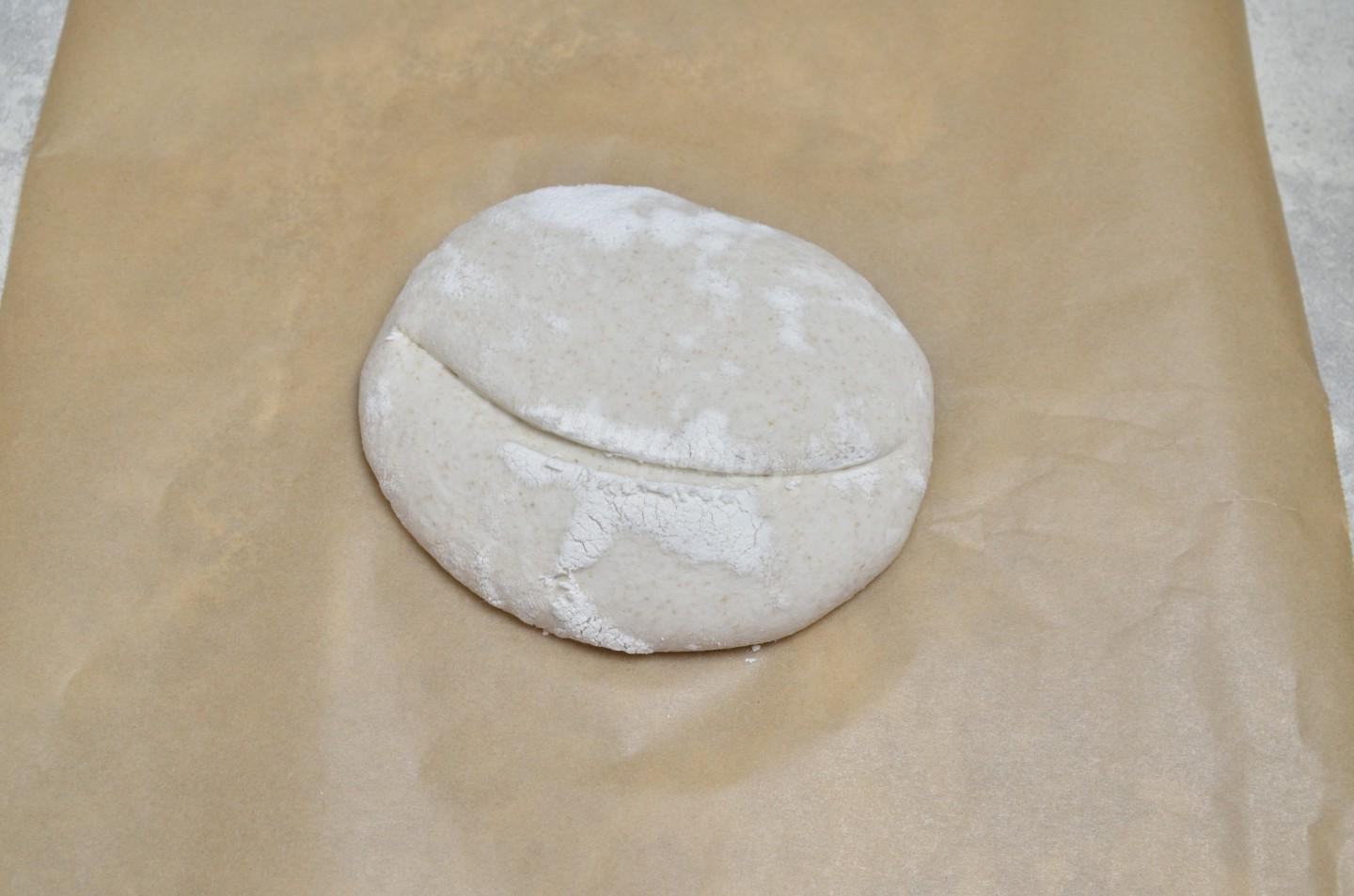
Before baking, preheat the oven to 250°C. Immediately place the baking sheet on which you will bake the bread and any metal cap with which you will cover it (I use an old cauldron). Remove the dough from the refrigerator 10 minutes before baking and turn it bottom side up onto a sheet of parchment. Using a sharp knife or blade, make a slanting cut into the side of the loaf. You can also cut out different patterns.

Step 11

Step 11
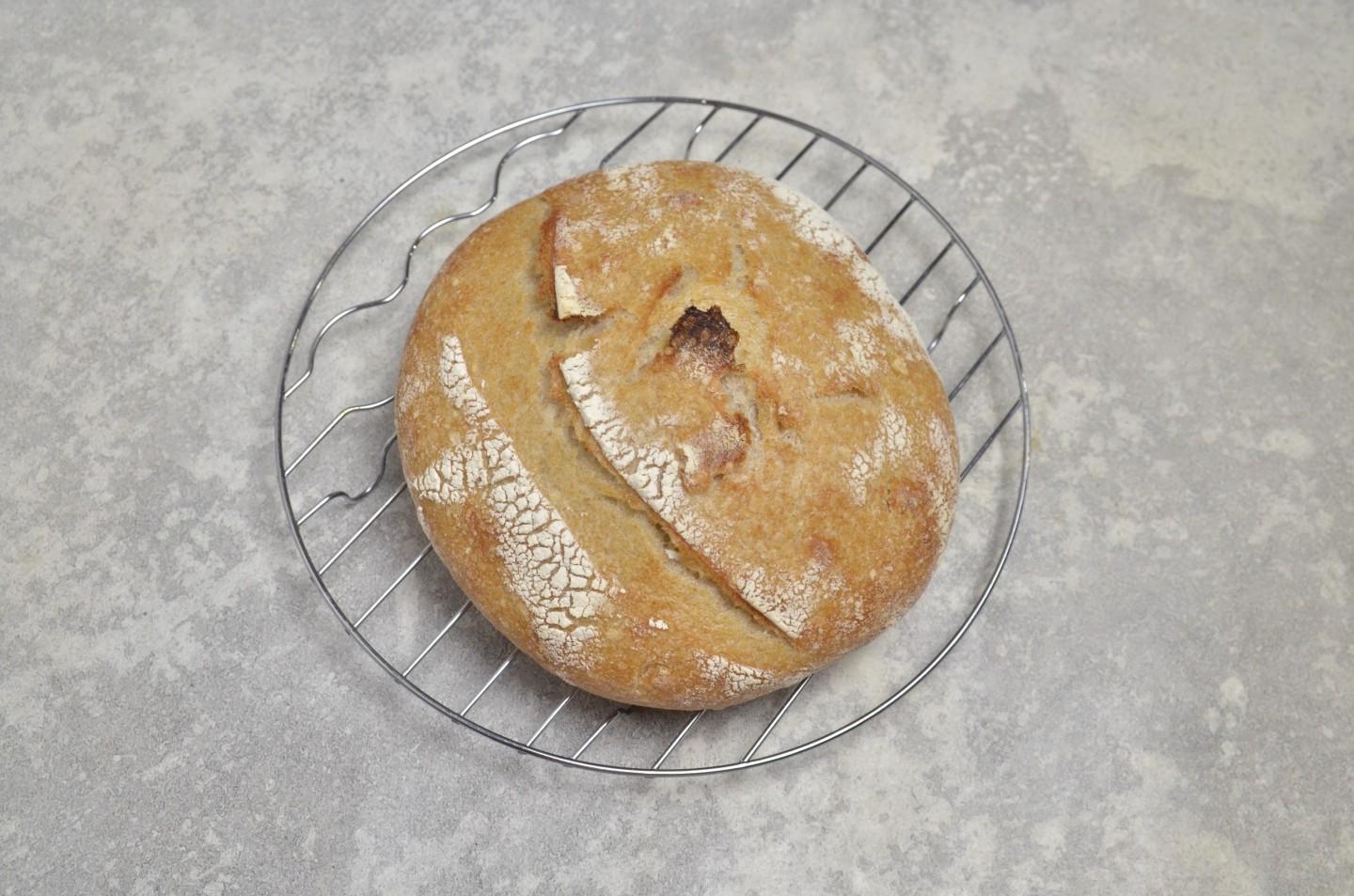
Transfer the parchment with the workpiece onto a hot baking sheet and cover it with a hot cap. Bake the bread in this form for 15 minutes, then remove the hood and reduce the temperature to 200°C. Continue baking for another 15-20 minutes until golden brown. The exact time will depend on the features of your oven. Read more about this in a separate article, link at the end of the recipe. Carefully transfer the finished bread to a wire rack and cool completely.

Step 12

Step 12
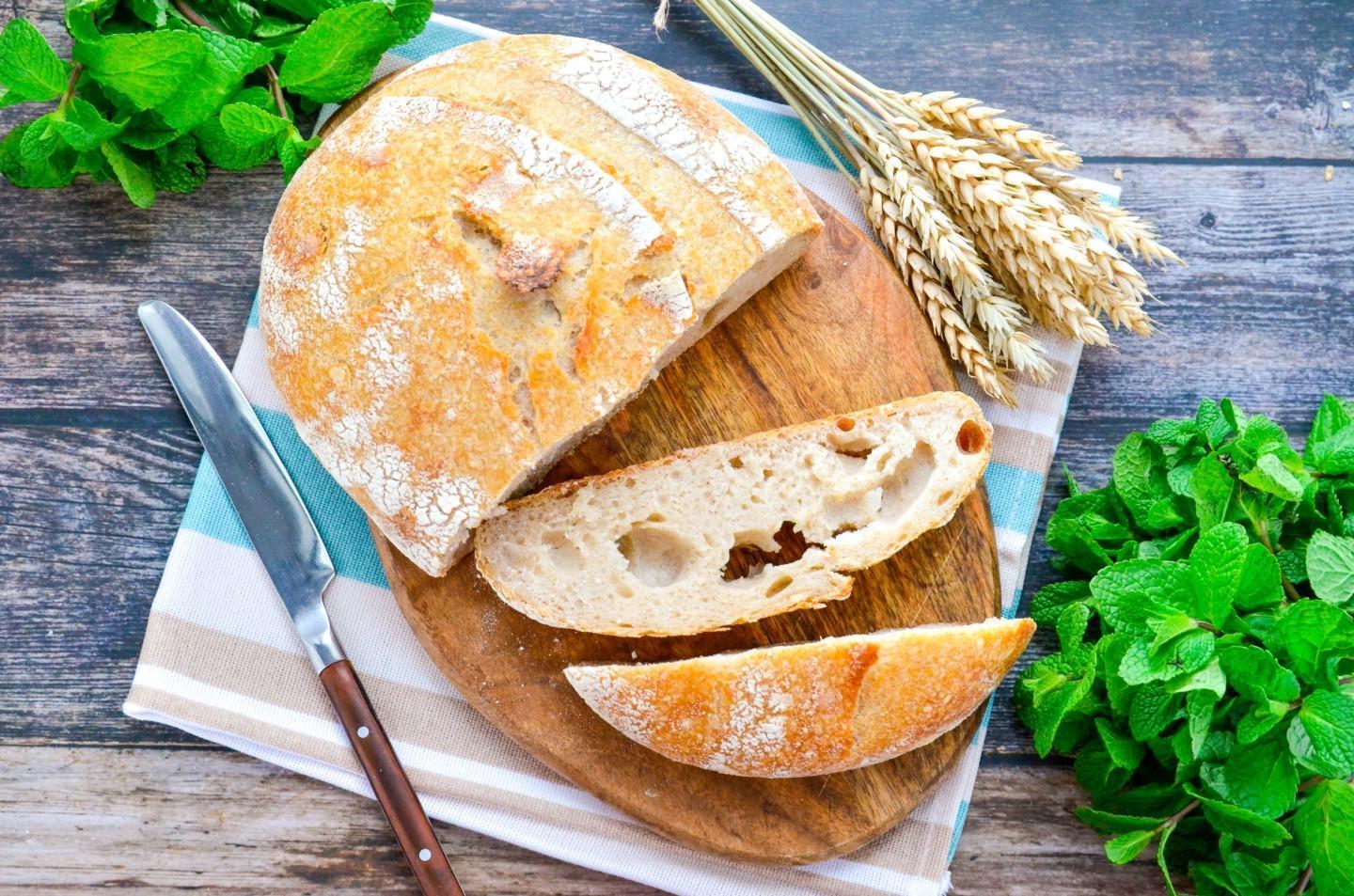
Serve the bread to the table. Bon appetit!

Additional rubrics