Natural Sourdough Bread

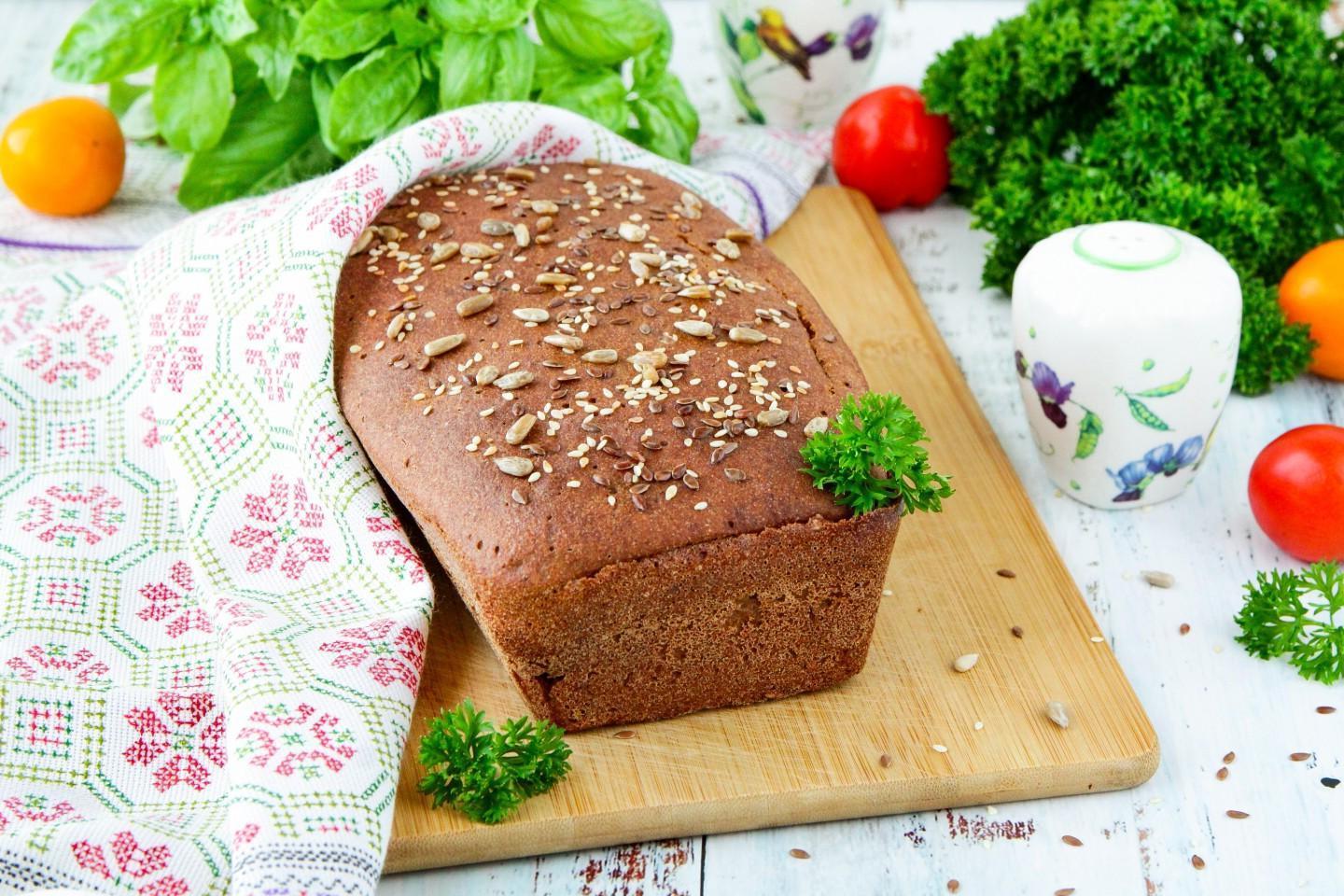
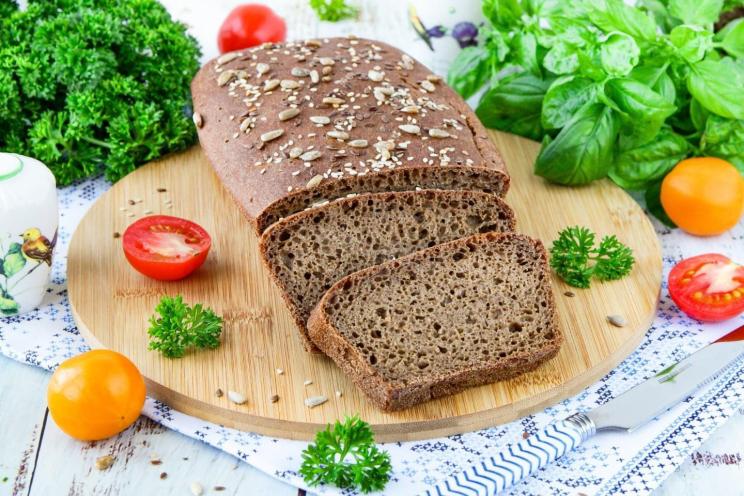
Homemade, natural, the best for a hearty lunch! Yeast-free sourdough bread is much healthier than yeast bread, because it contains only natural ingredients. The rather lengthy cooking process makes all the effort worthwhile. Fragrant, with a crispy crust, it will be an indispensable part of any meal.
cook time: 10h
Elijah Stroud
Natural Sourdough Bread

Nutrition Facts (per serving)

199
Calories
4g
Fat
33g
Carbs
4g
Protein

Ingredients (7 portions)

For the dough:

Ready starter 3 tbsp
Water 170 ml
Rye flour 100 g

For dough:

Water 170 ml
Salt 0.5 tsp
Malt 1 tbsp
Honey 1 tbsp
Vegetable oil 1 tbsp
Ground coriander 1 tsp
Rye flour 190 g
Wheat flour 40 g
Sunflower seeds 1 tsp
Flax seeds 1 tsp
Sesame 1 tsp

Recipe instructions

Step 1
Step 1
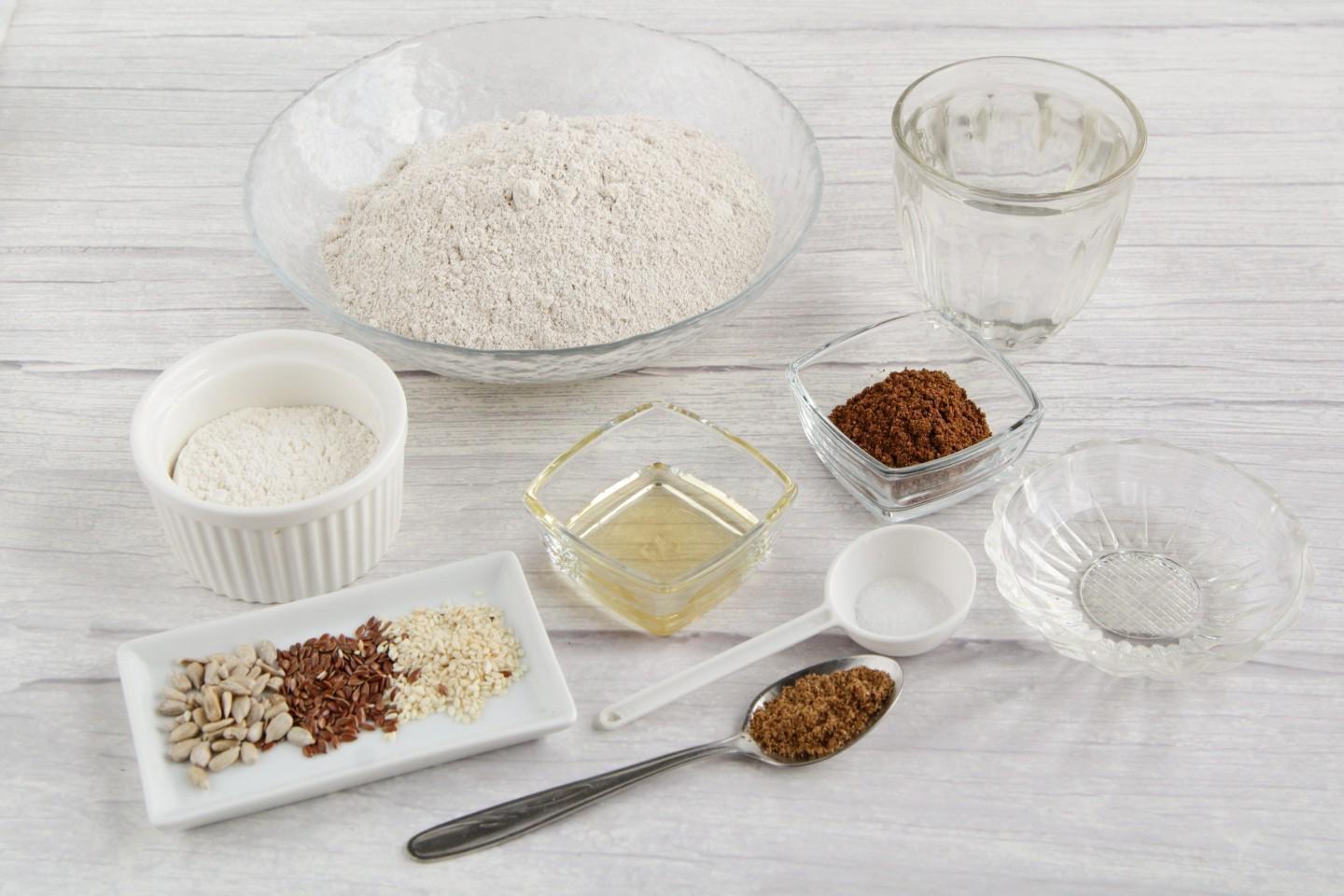
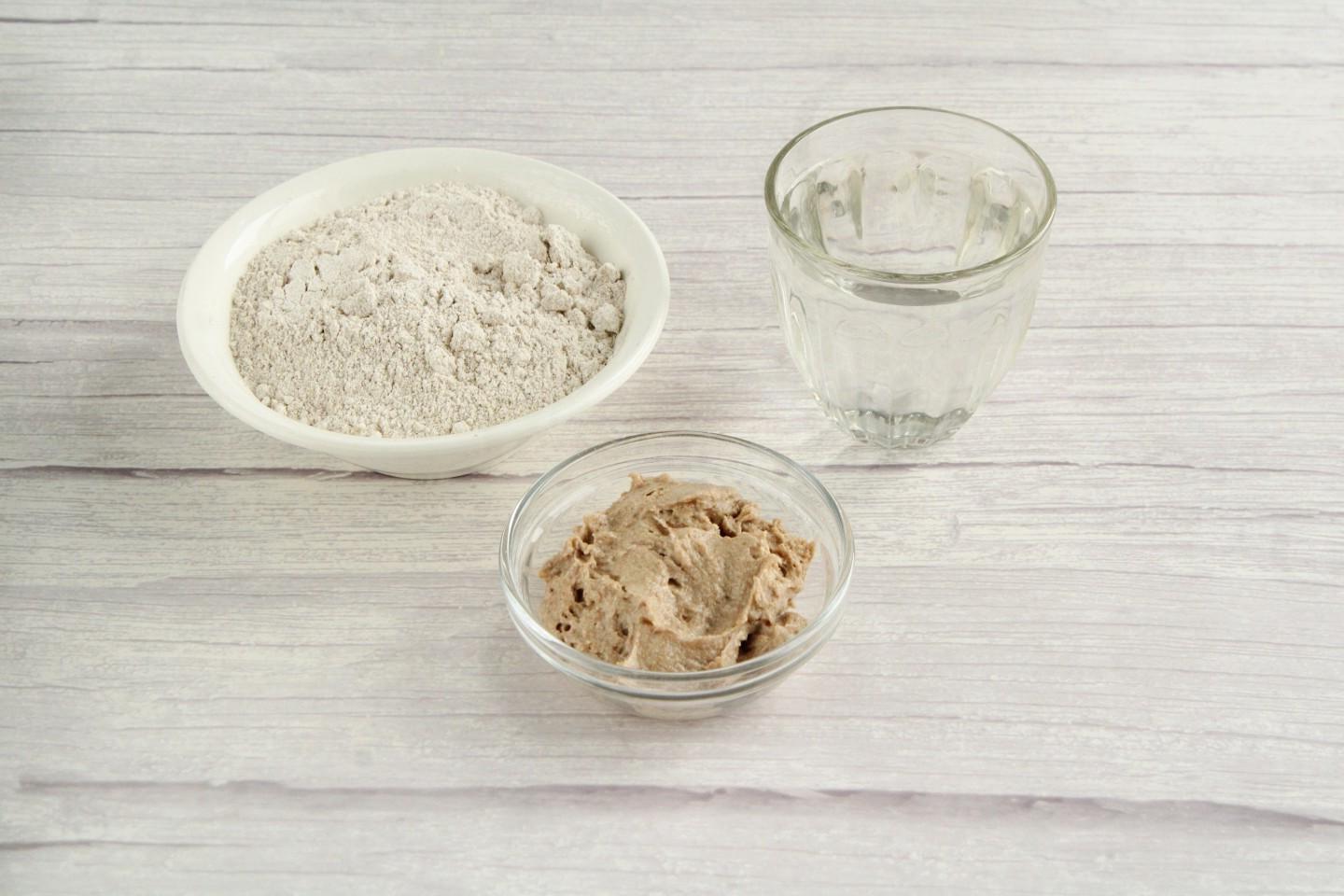
How to make yeast-free sourdough bread at home? Measure out the necessary ingredients to prepare the dough. Use slightly warm water.

Step 2

Step 2
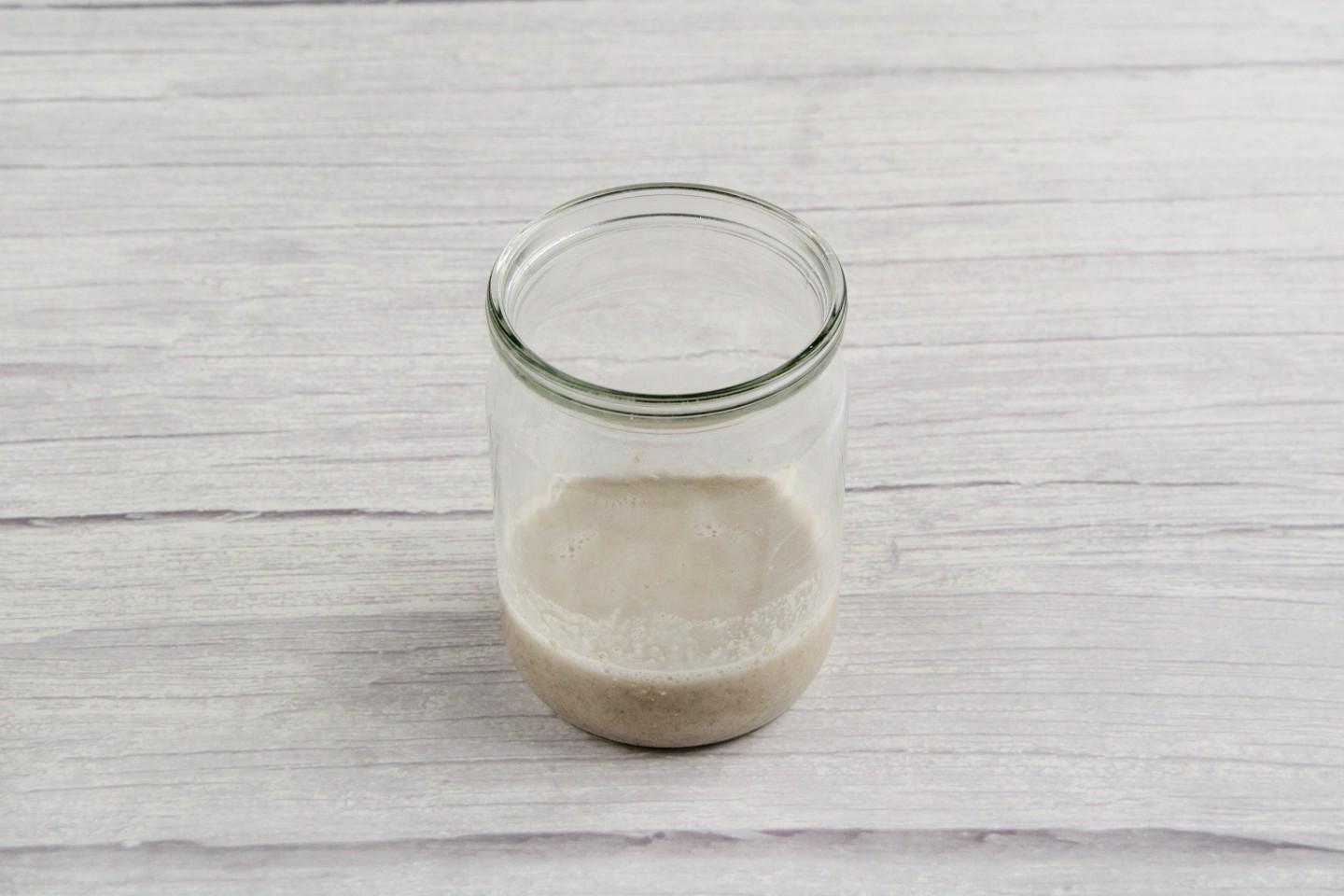
First activate the starter. In a jar or any other convenient container, combine the specified amount of ready-made starter and 70 ml of water. Stir.

Step 3

Step 3
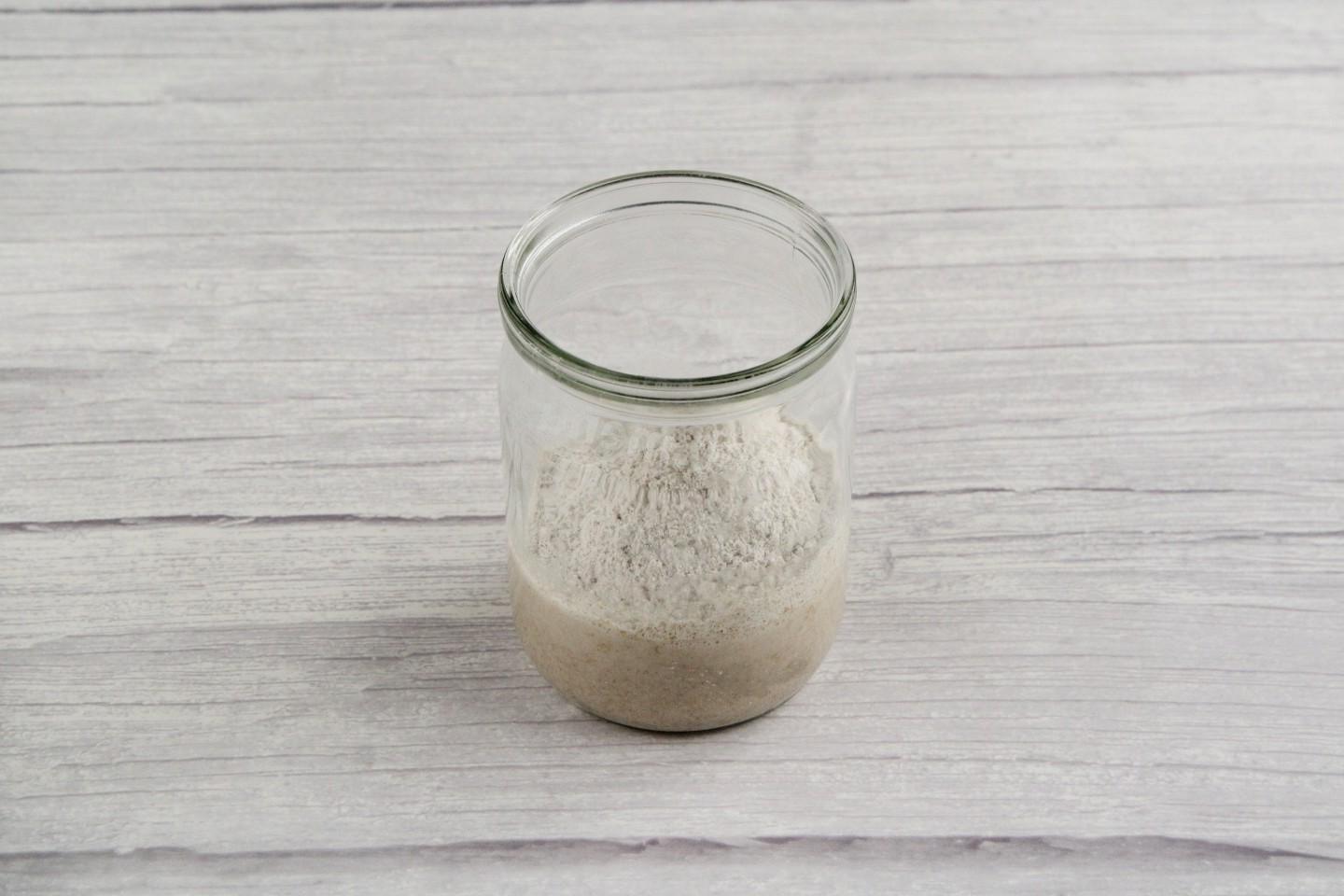
Add 50 grams of sifted rye flour.

Step 4

Step 4
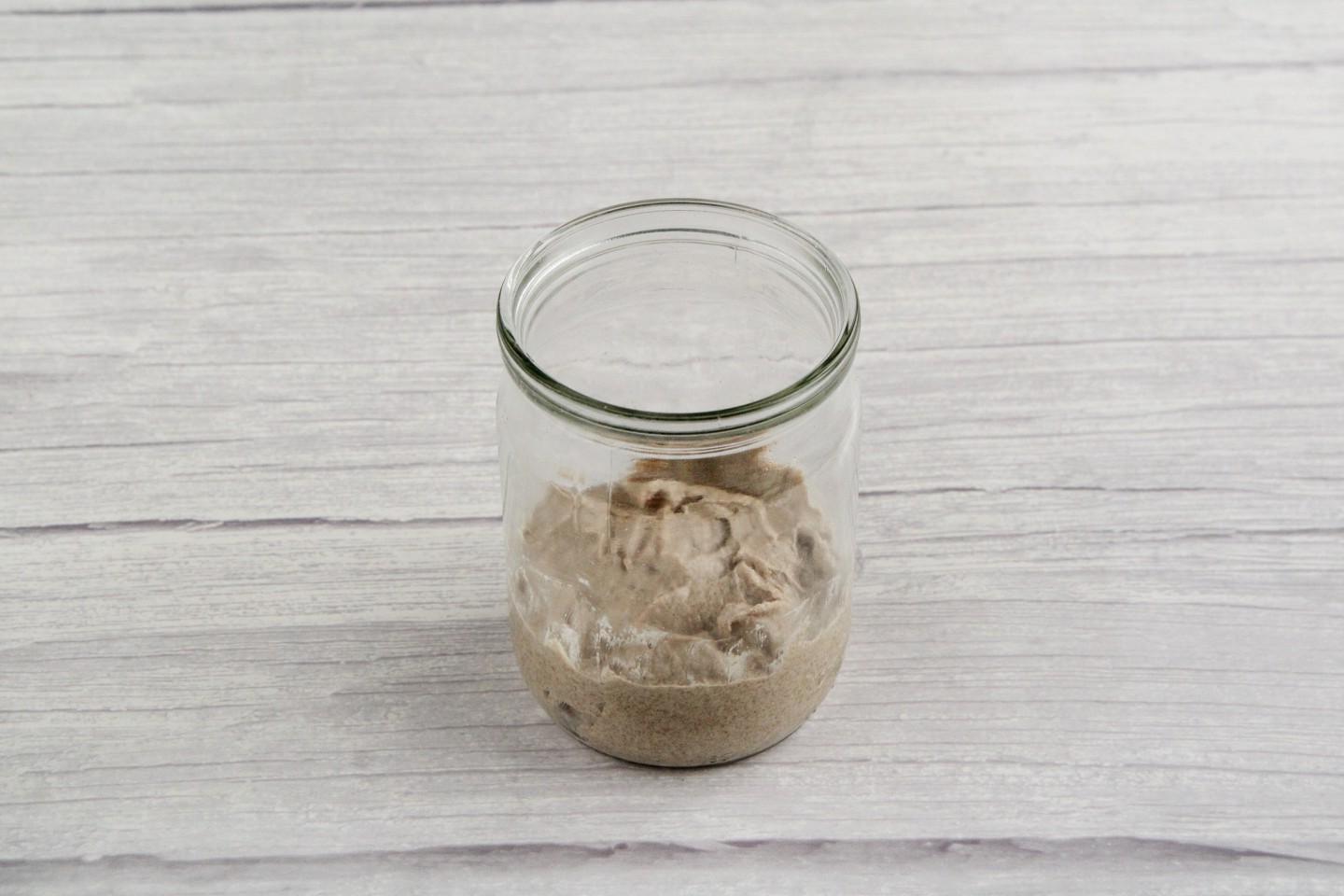
Mix well until smooth.

Step 5

Step 5
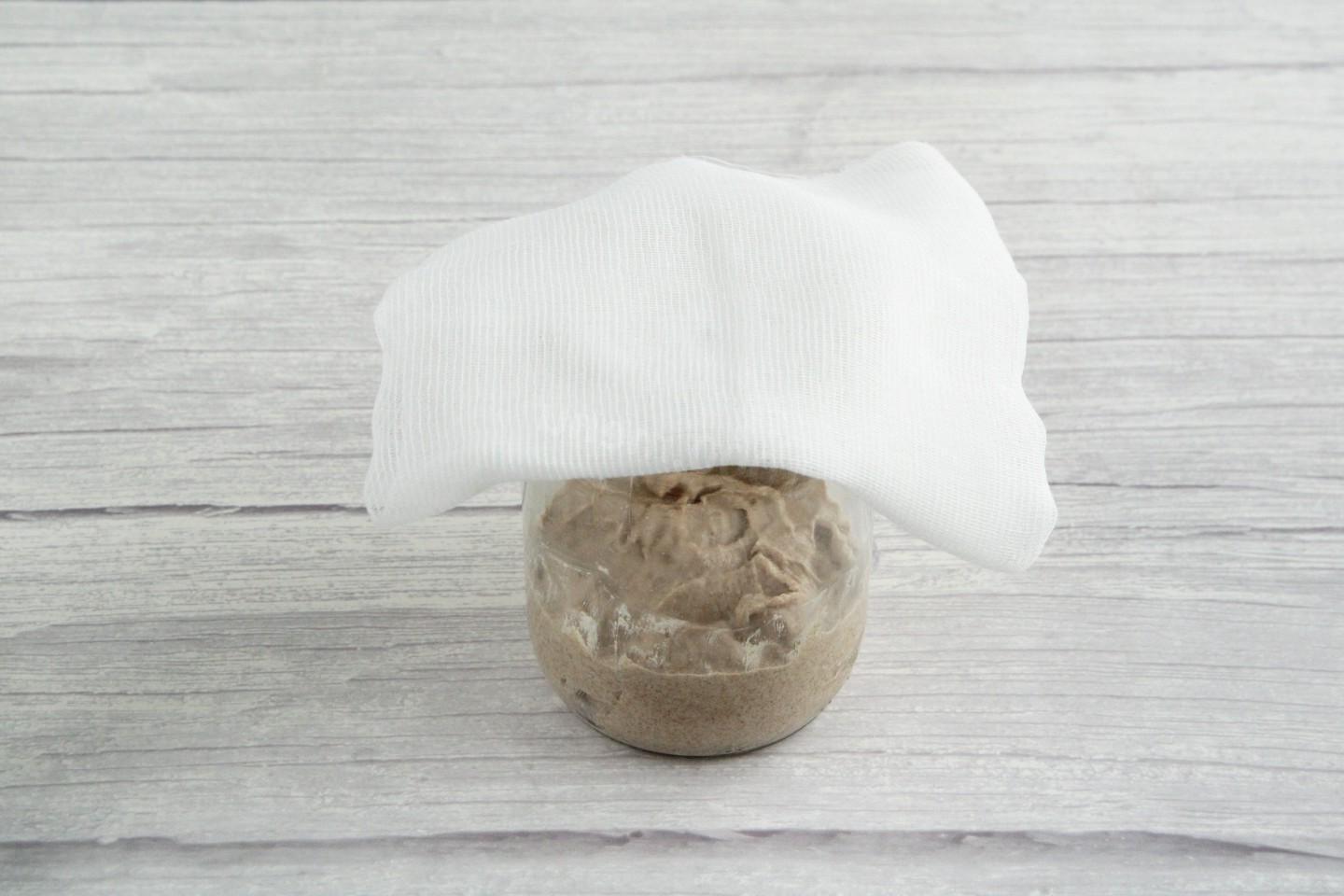
Cover the starter with several layers of gauze or a light towel and leave it in a warm place to rise.

Step 6

Step 6
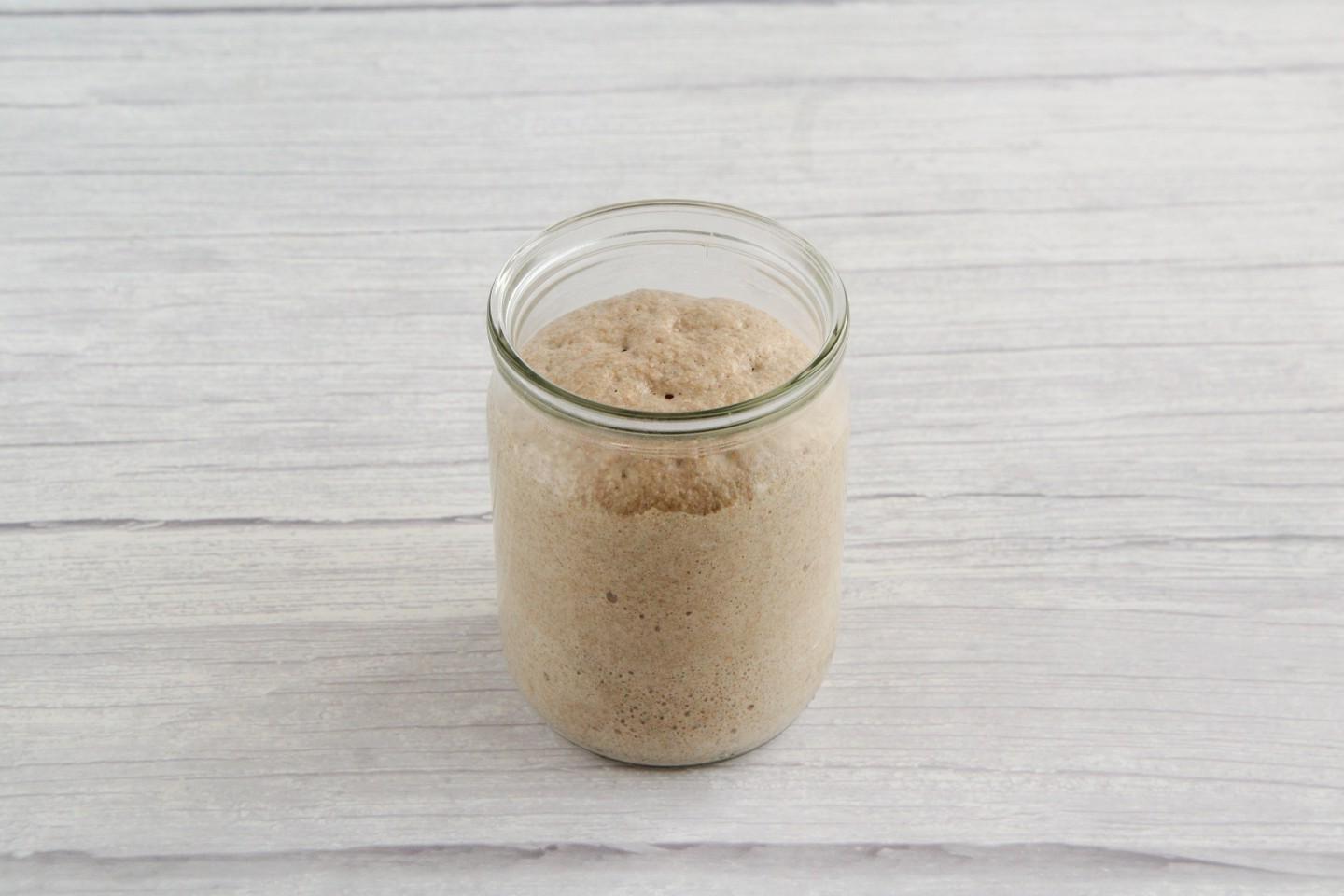
In 2-2.5 hours, the starter will grow approximately 3 times. Bubbles will begin to appear on the surface. You can make a dough.

Step 7

Step 7
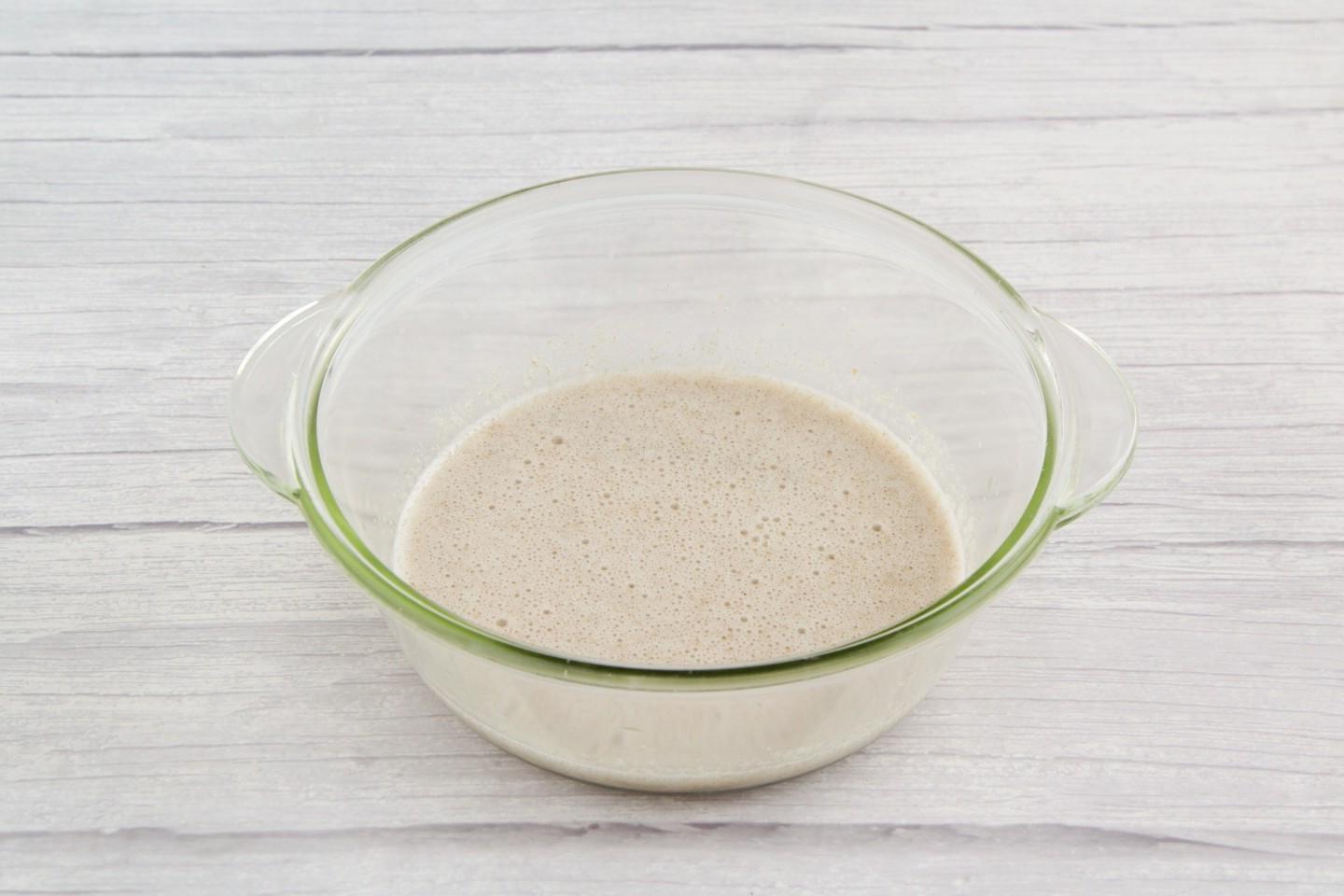
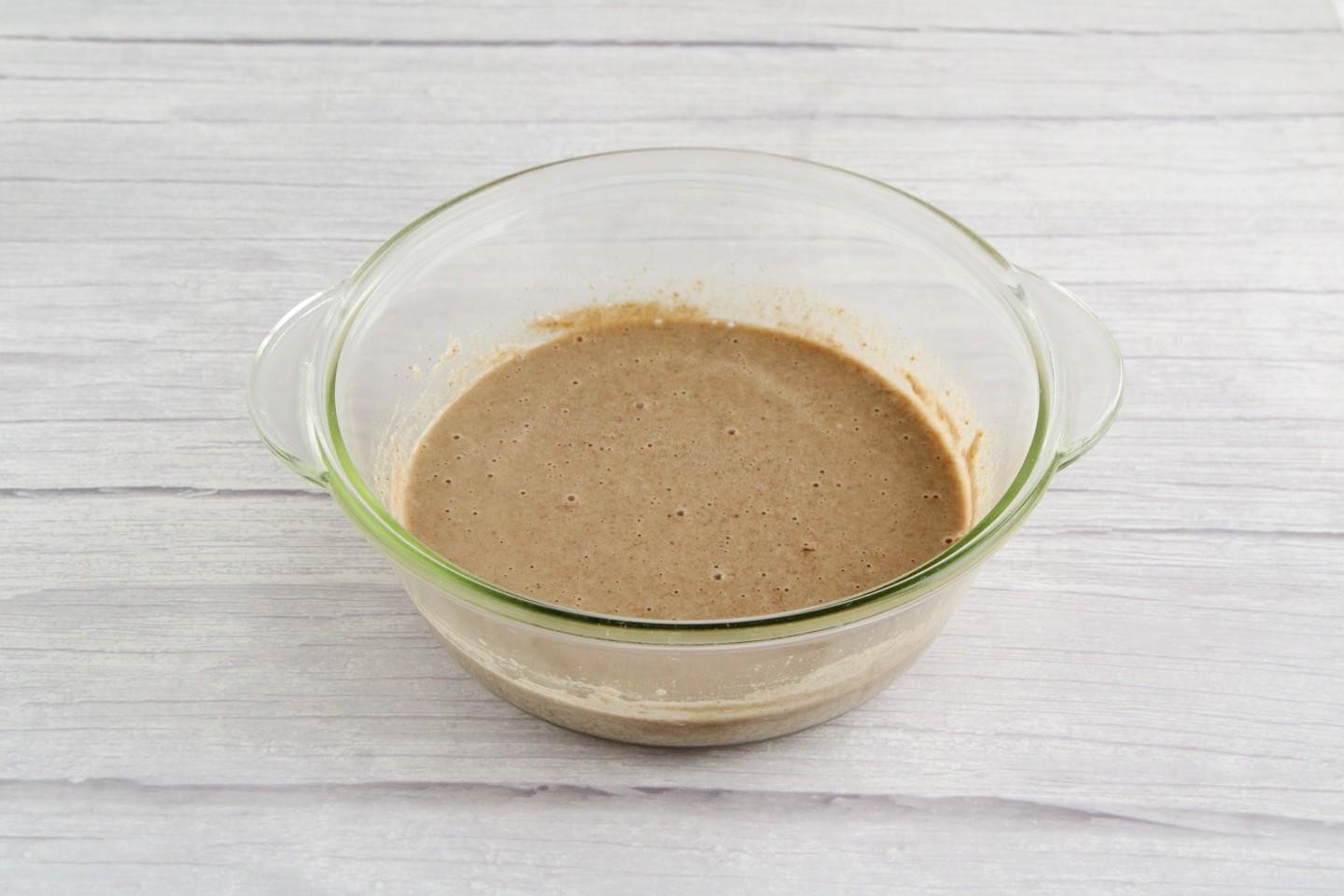
Measure the required amount of activated starter into a bowl, add 100 ml of water. Mix with a whisk until the lumps disappear.

Step 8

Step 8
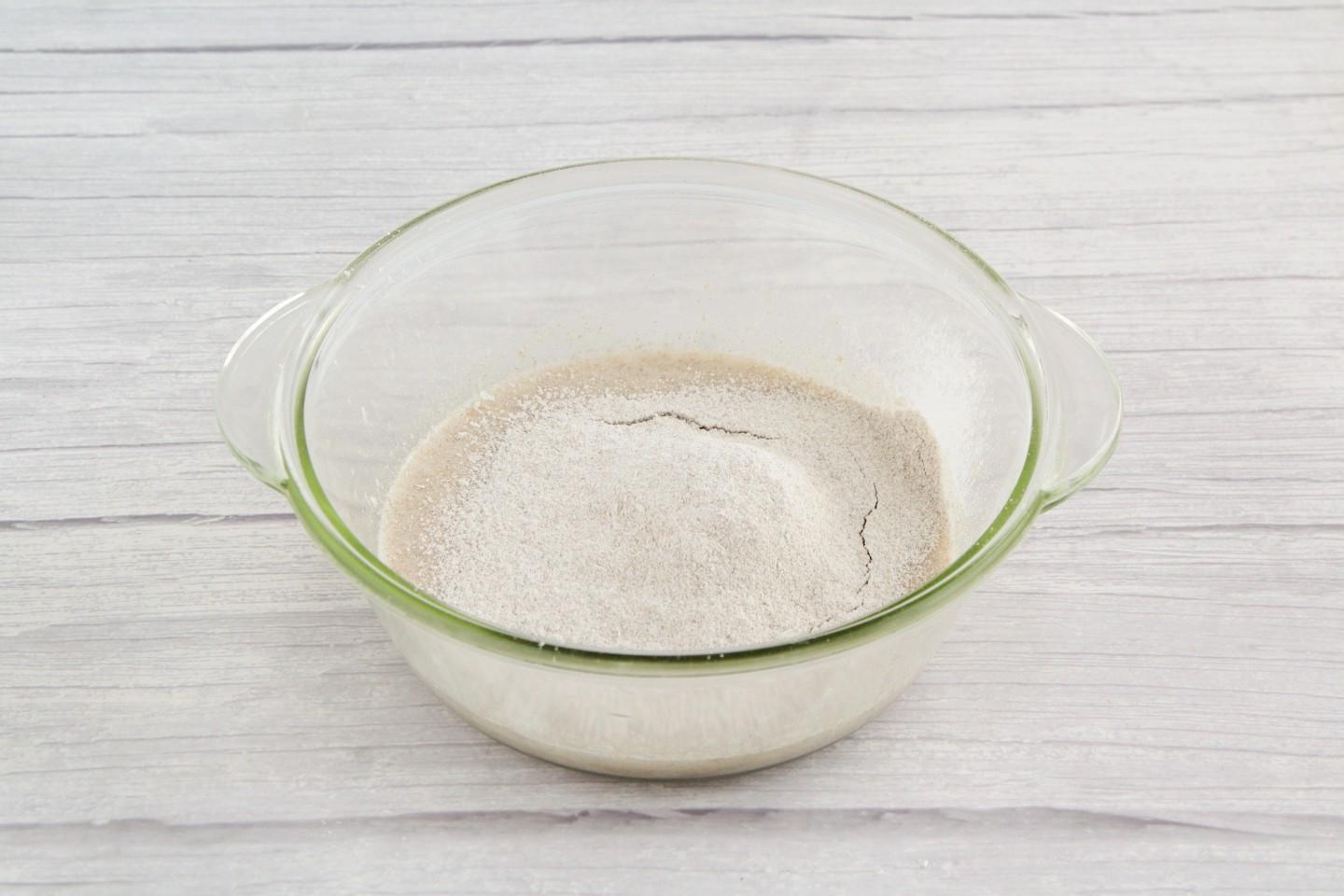
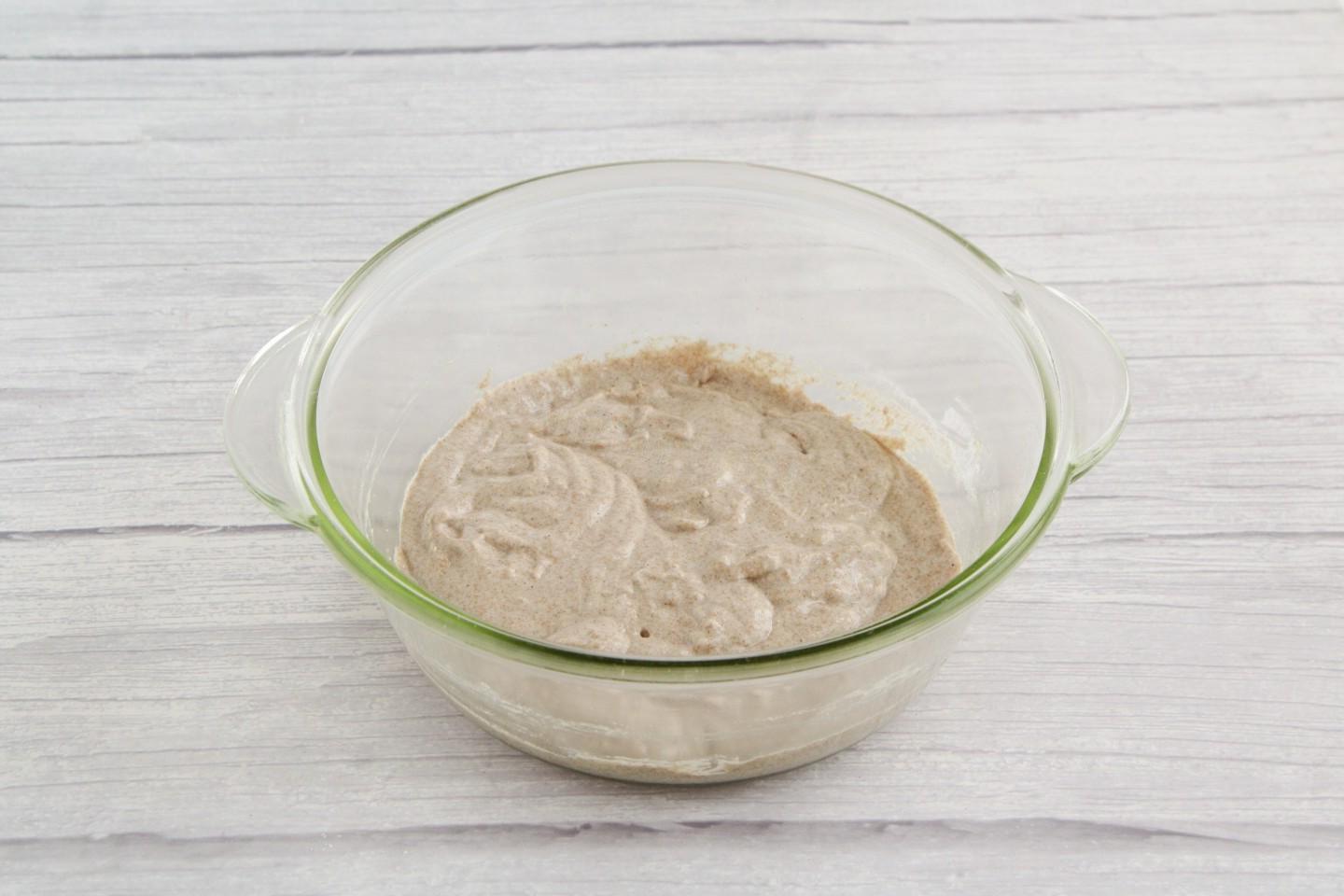
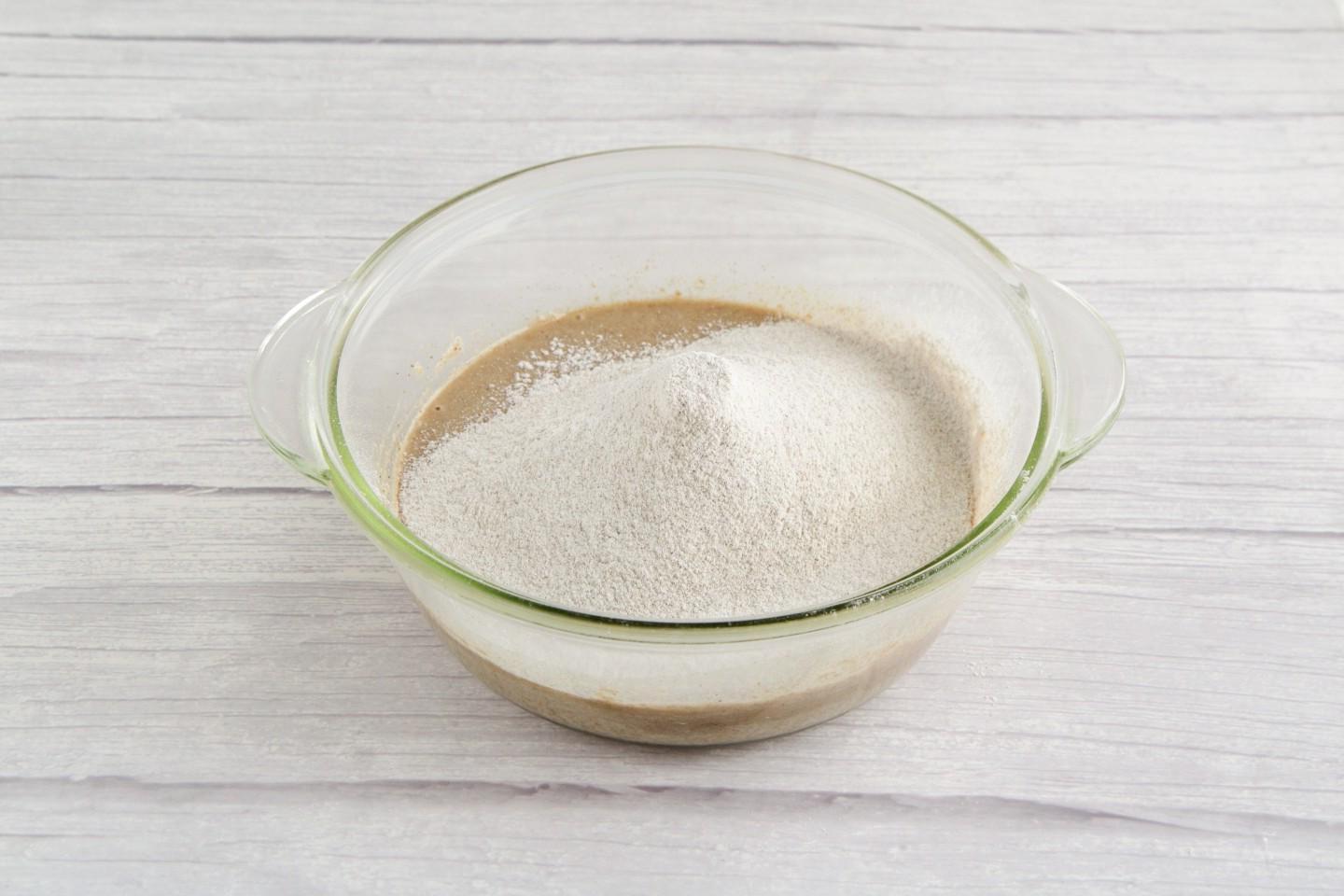
Sift the remaining 50 grams of rye flour. Mix well until smooth.

Step 9

Step 9
Cover the dough and leave it in a warm place to rise.

Step 10

Step 10
Prepare the ingredients to make the bread dough. The amount of wheat flour can be varied depending on taste preferences. You can bake bread only with rye flour or use wheat and rye flour in a 1:1 ratio. Take odorless vegetable oil. Instead of honey, you can use sugar.

Step 11

Step 11
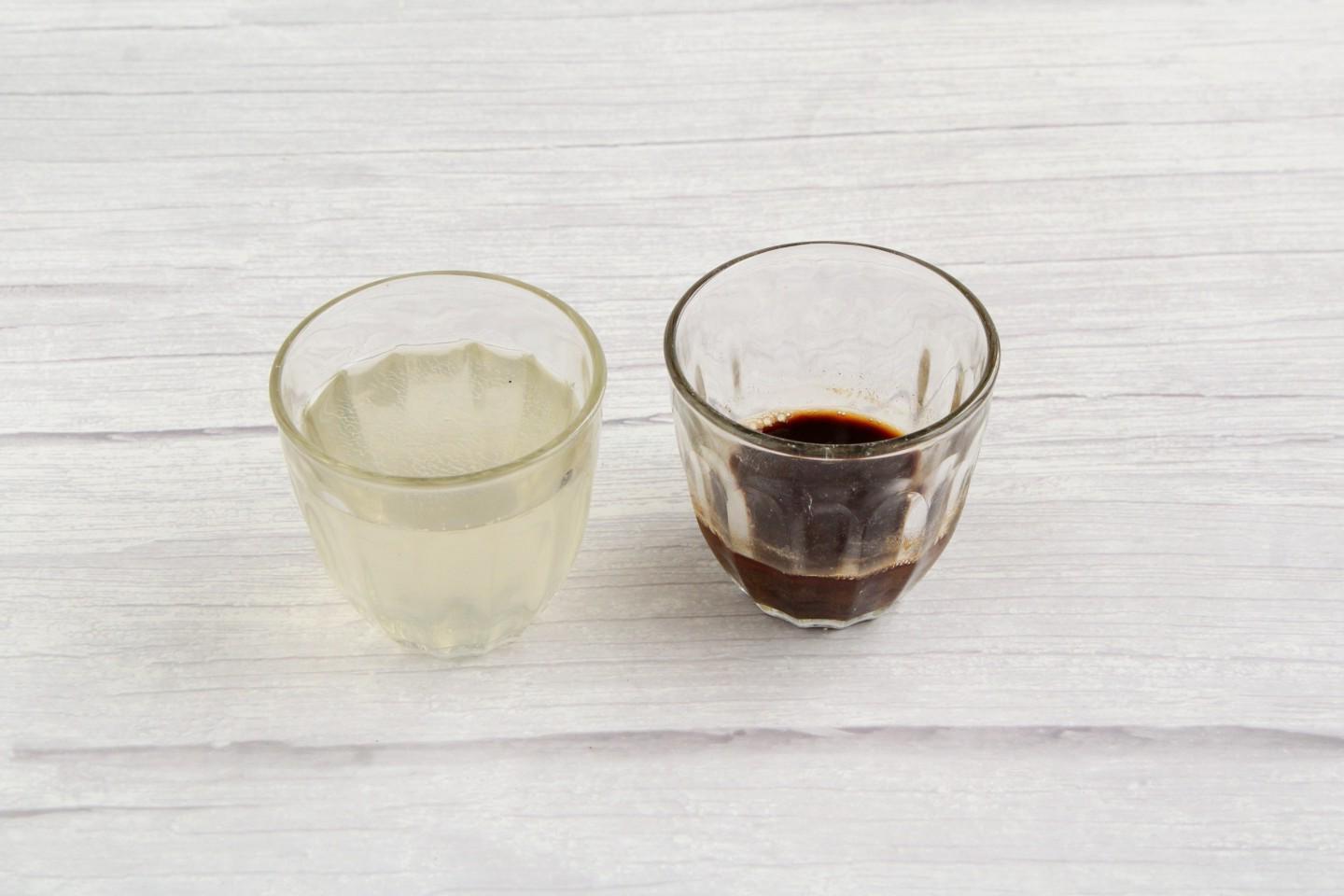
Brew malt in 50 ml of boiling water. Malt can be replaced with dry kvass. Dissolve honey in the remaining warm water.

Step 12

Step 12
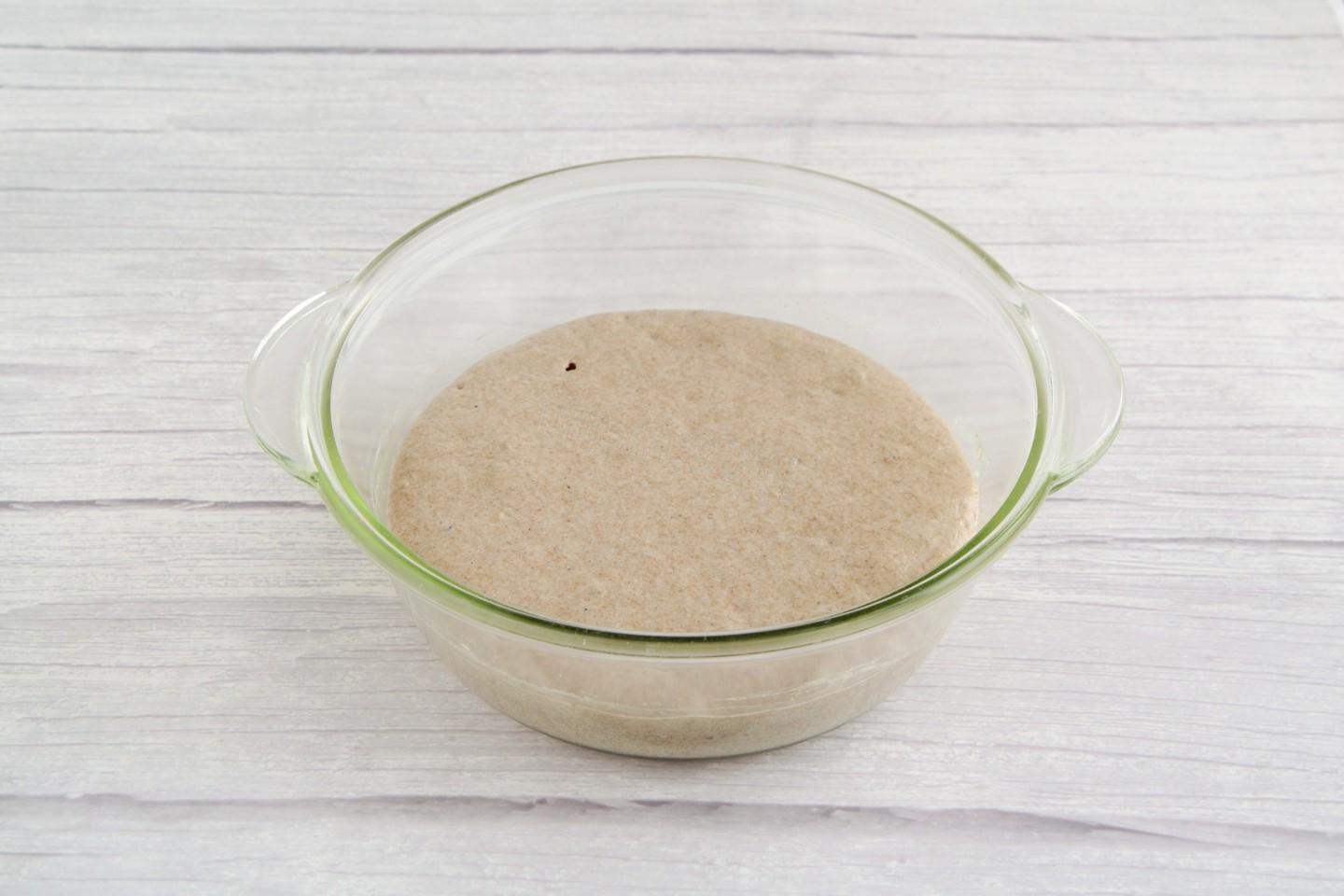
The dough should increase 2-2.5 times and rise into a lush “cap”. It took me 2 hours 25 minutes.

Step 13

Step 13
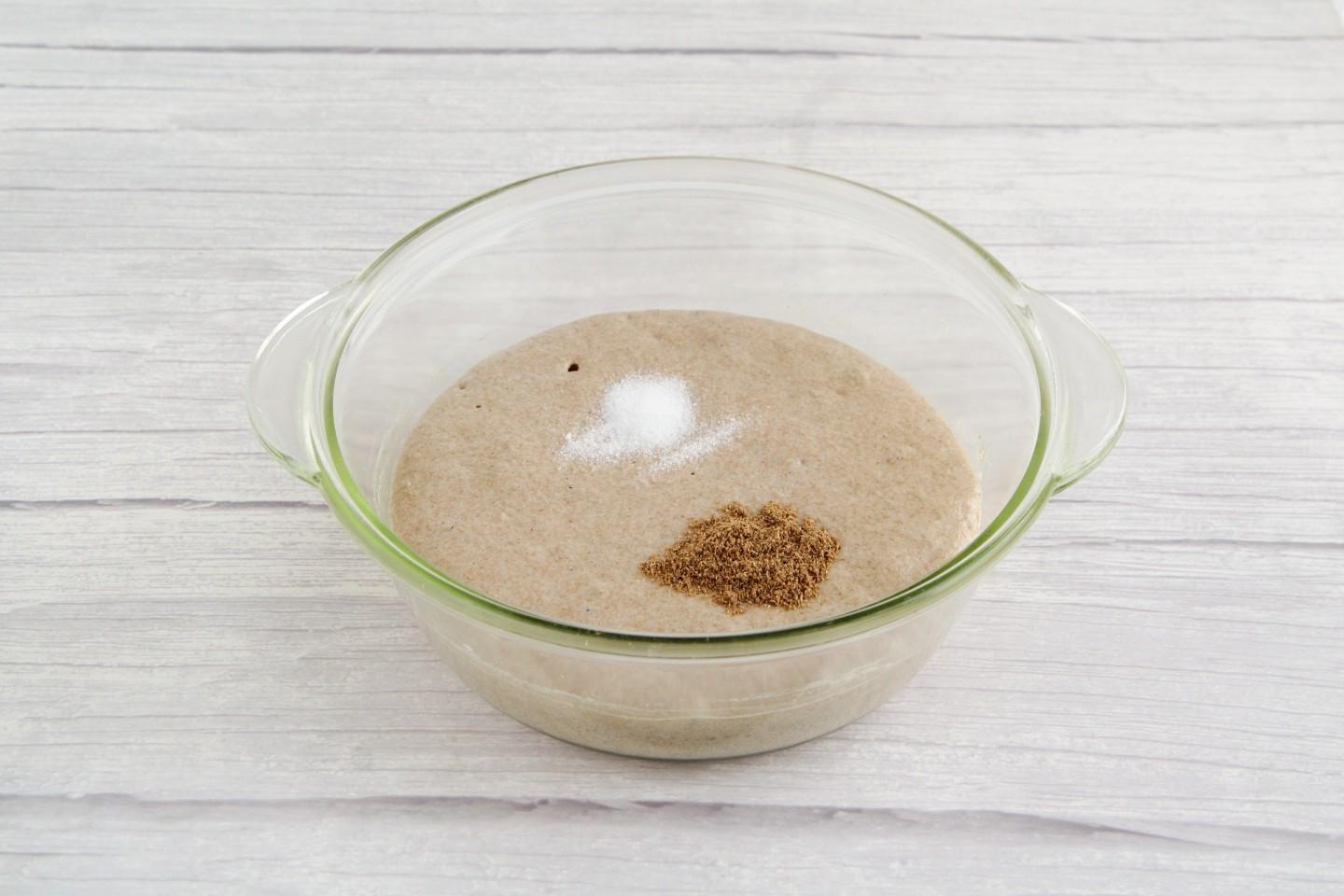
Add salt and coriander to the dough.

Step 14

Step 14
Pour in cooled malt, sweet water, stir.

Step 15

Step 15
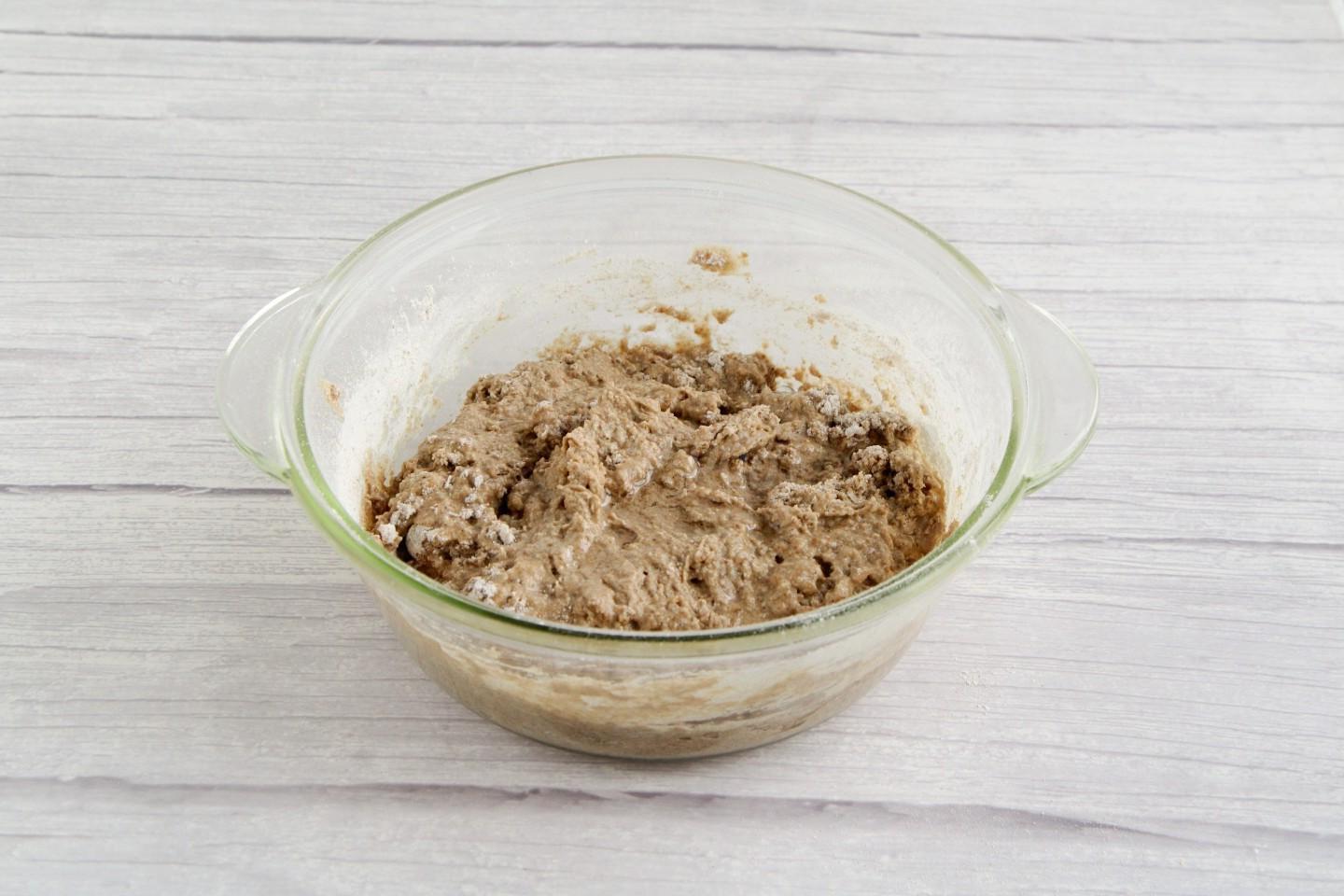
Mix rye and wheat flour. Sift in half of the flour mixture and mix the dough with a spoon.

Step 16

Step 16
Add vegetable oil, stir lightly.

Step 17

Step 17
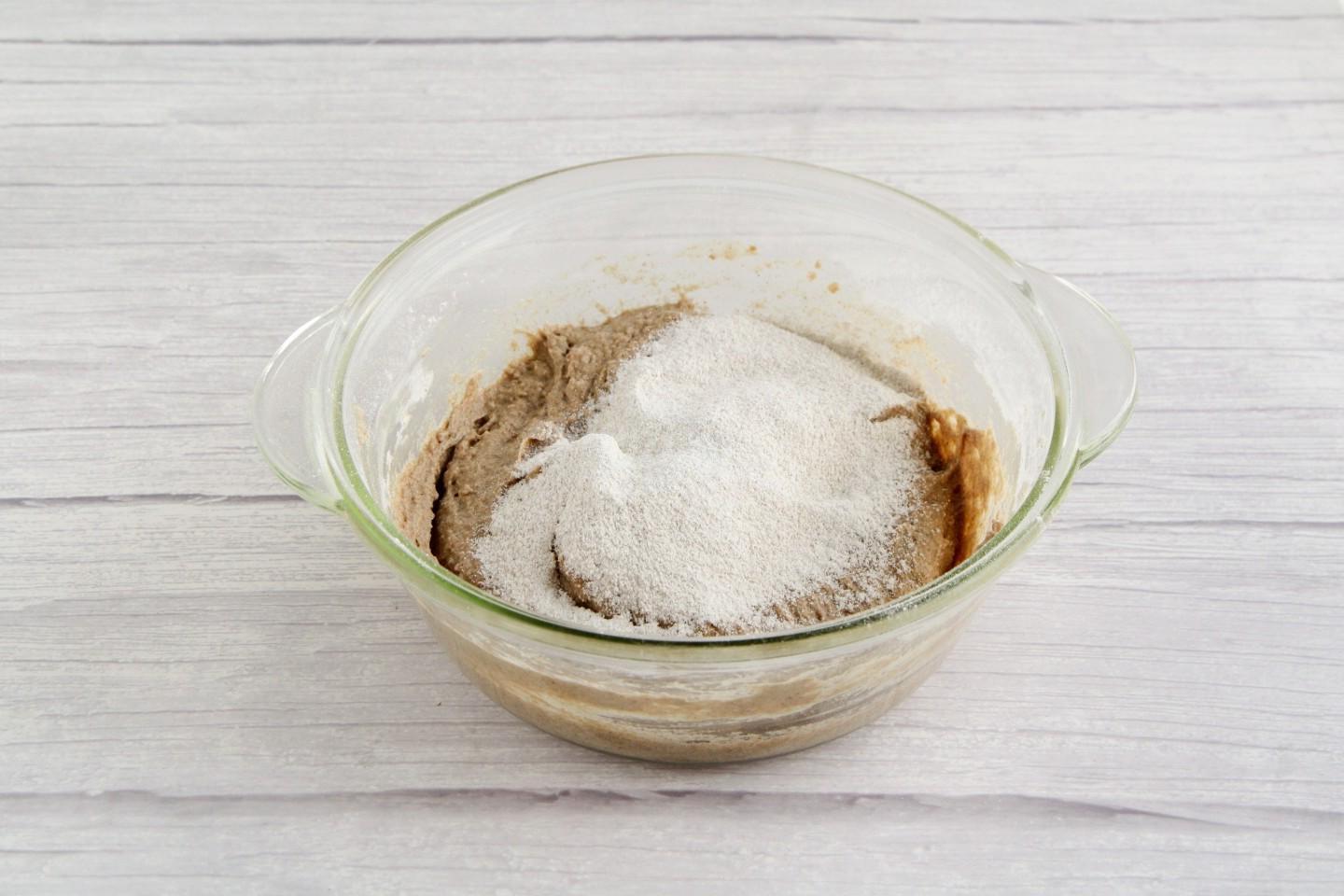
Sift the remaining flour.

Step 18

Step 18
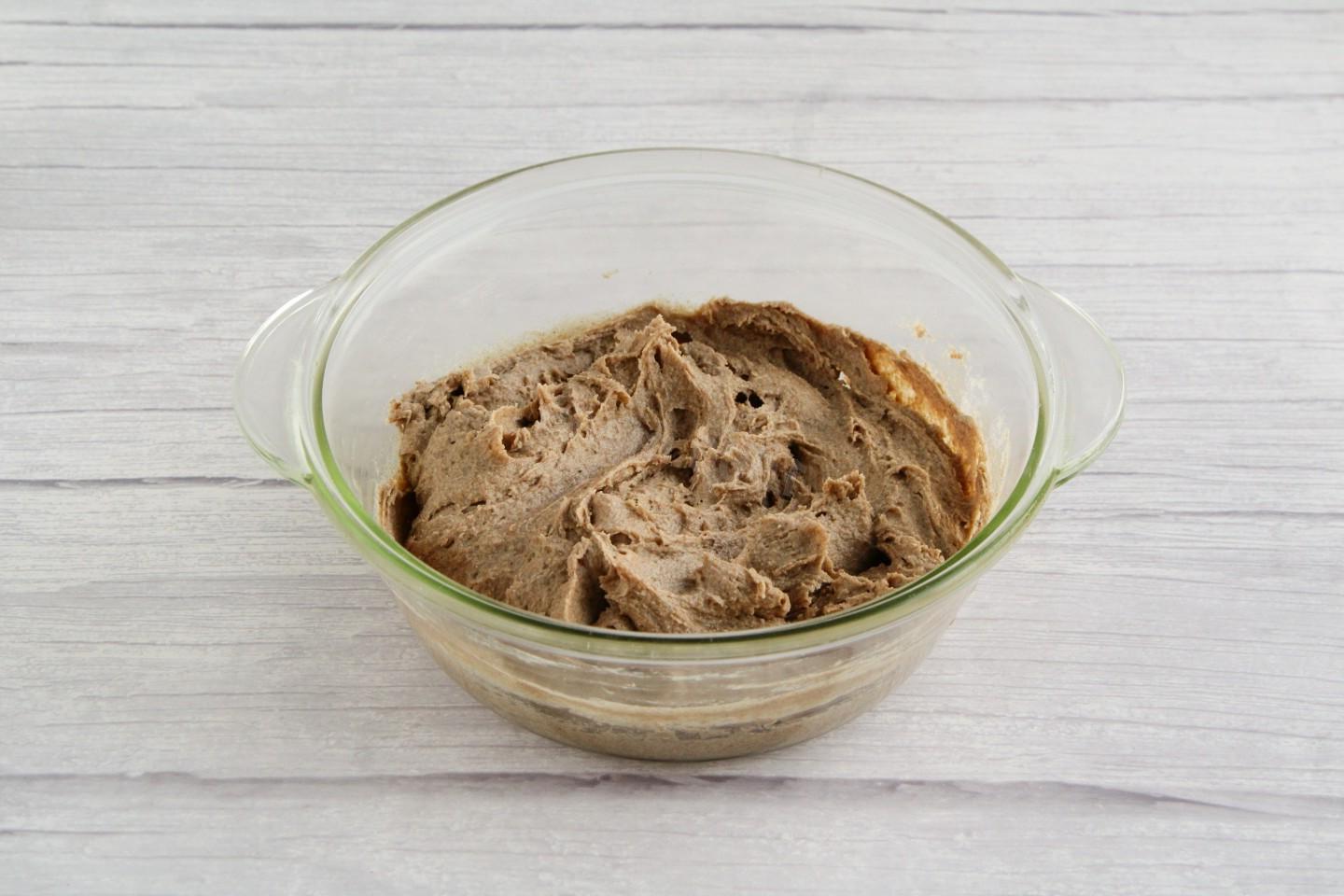
Knead the dough well until completely homogeneous. It will be thick and viscous. The dough should not be too thick. If necessary, add a little water when kneading.

Step 19

Step 19
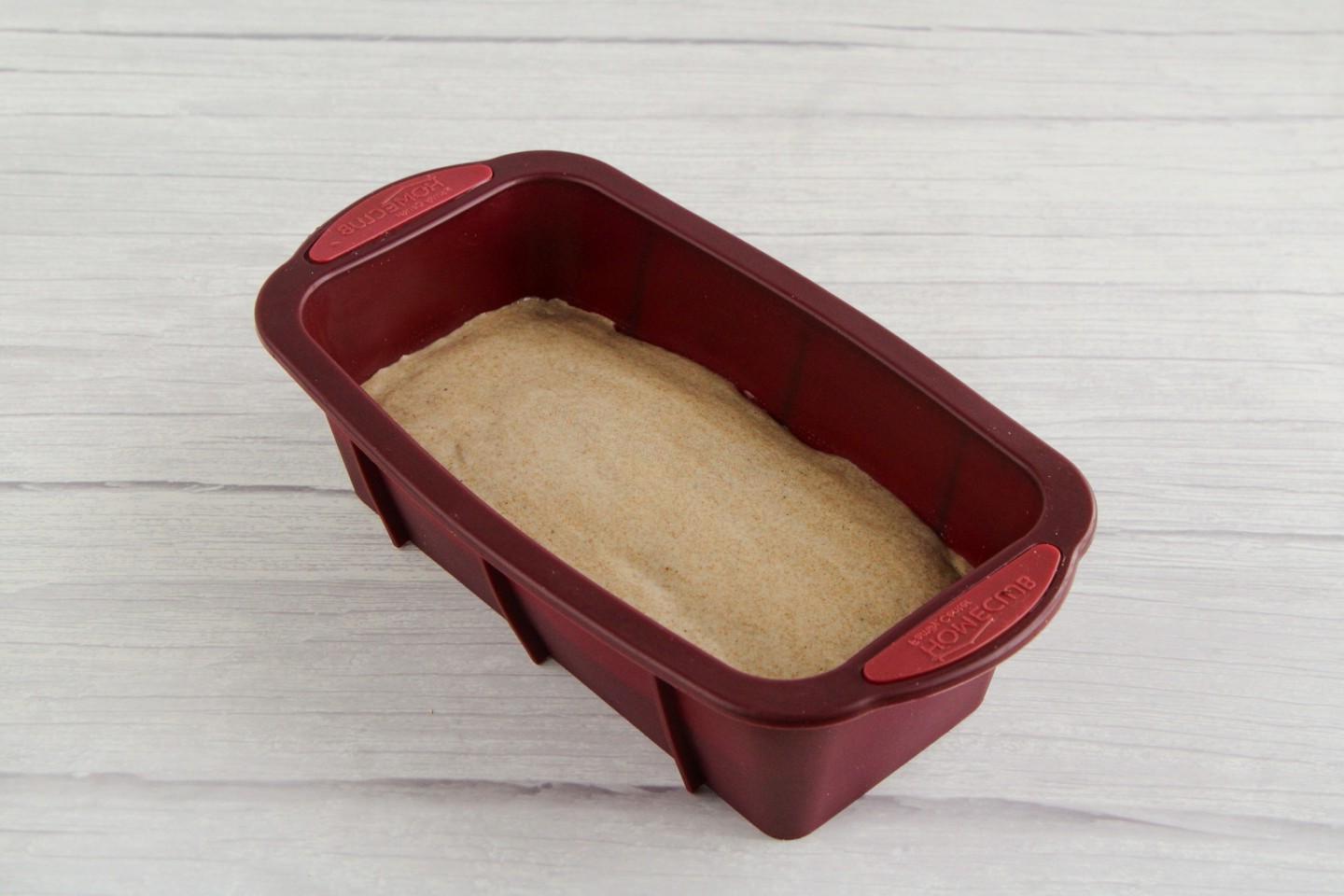
I use a silicone mold. If the mold is metal, grease its bottom and walls with vegetable oil. Place the dough in the mold, level and smooth with wet hands. Cover the form with the dough with a light cloth and leave it warm to rise. For useful information about choosing a form, read the link at the end of the recipe.

Step 20

Step 20
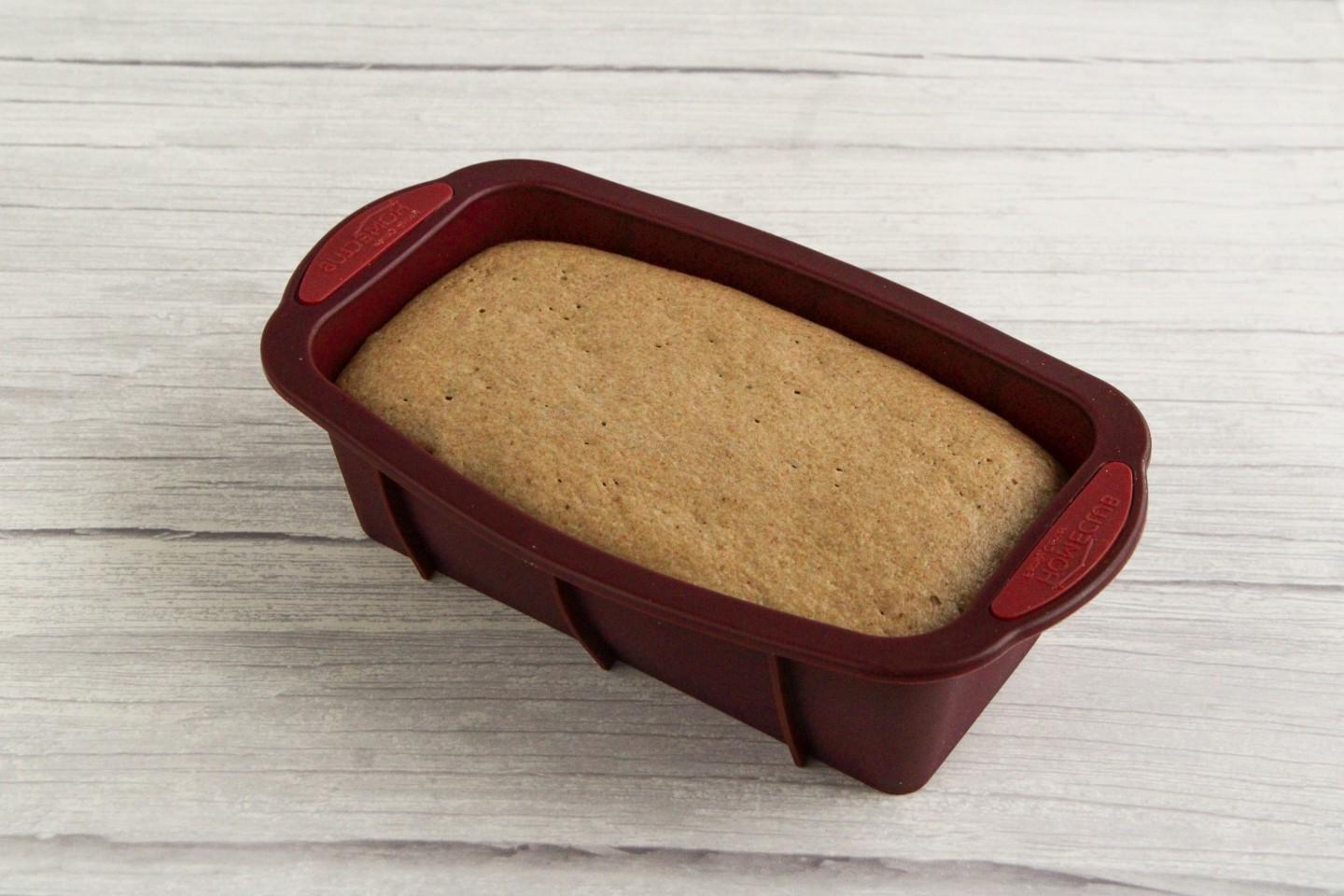
The volume of the test has increased by 2.5 times. Numerous bubbles on the surface of the dough indicate that the bread is ready for baking.

Step 21

Step 21
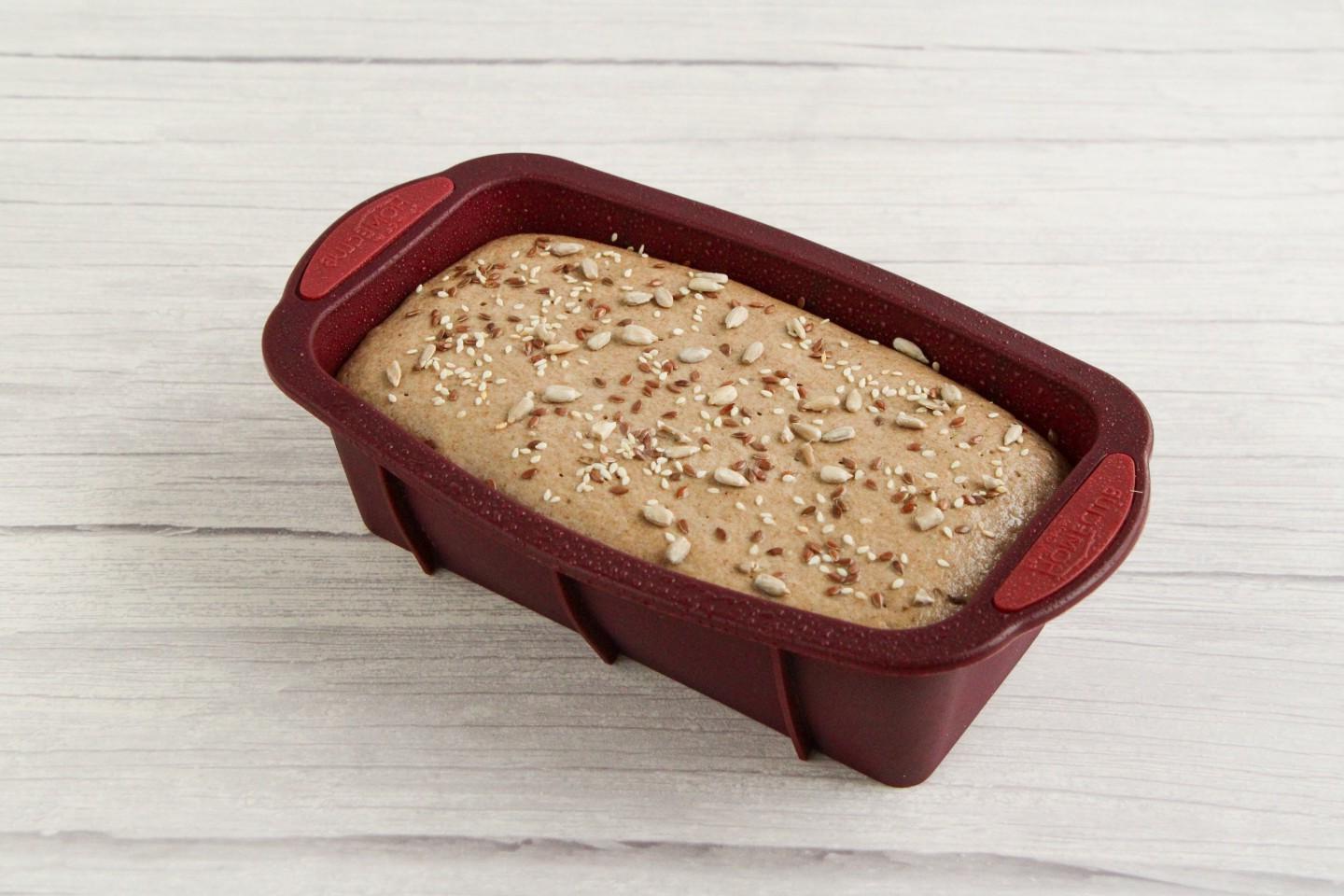
Sprinkle the top of the dough with water and sprinkle with seeds if desired. Bake the bread in a preheated oven at 210 C for the first 15 minutes, then reduce the temperature to 180-190 C. After 15 minutes, cover the pan with foil to prevent the top from overcooking. Bake the bread until done, about 30-35 minutes longer. The cooking mode and time may differ from those indicated in the recipe. Install them based on the operating characteristics of your oven.

Step 22

Step 22
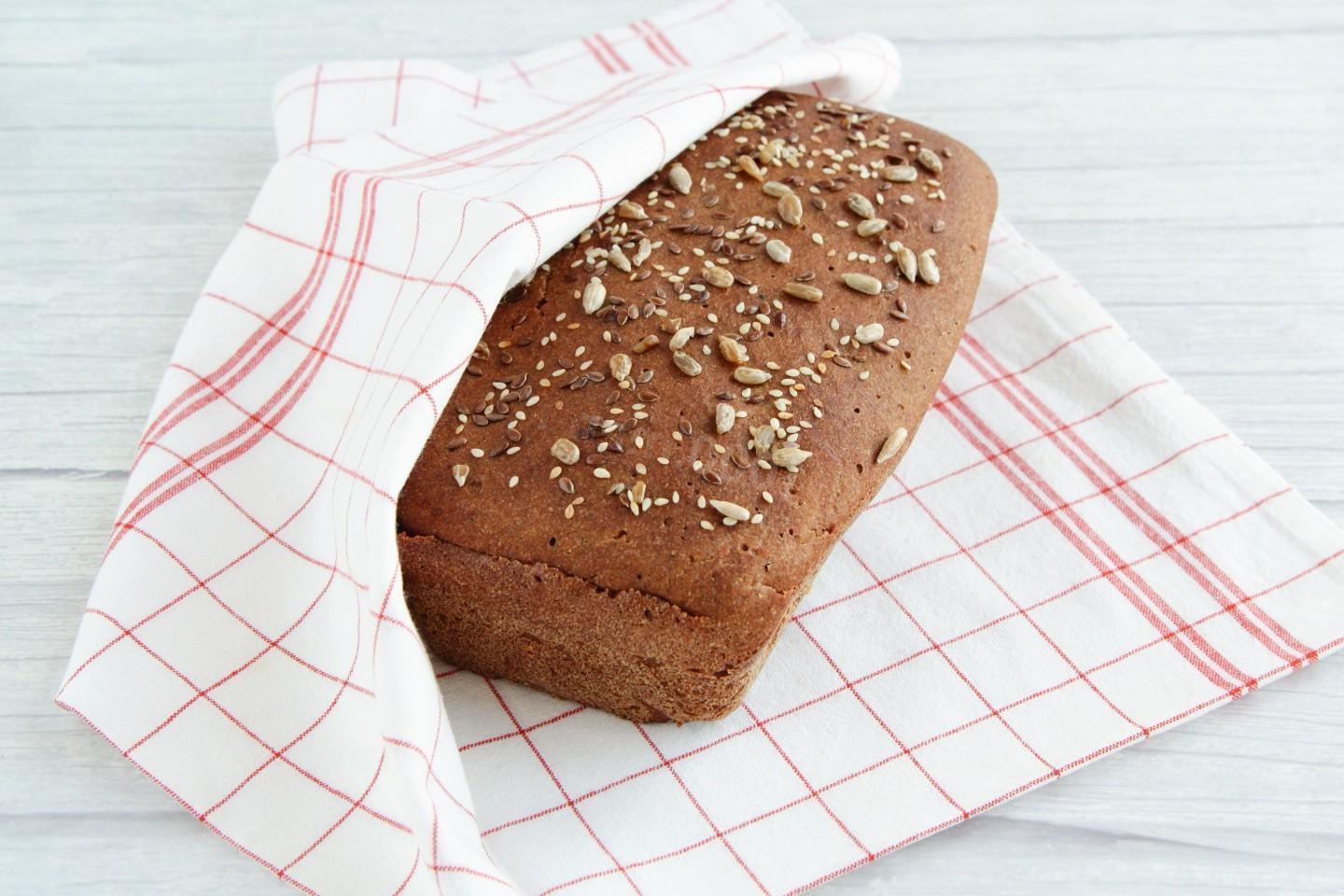
Sprinkle the finished rye bread with water and cool slightly in the pan. Wrap the bread in a cotton towel and leave to cool completely.

Step 23

Step 23
It is advisable to eat freshly baked homemade yeast-free sourdough bread the next day, when it has “ripened” and the crumb has thickened. Bon appetit!