Homemade Savoiardi: Easy Ladyfinger Cookies

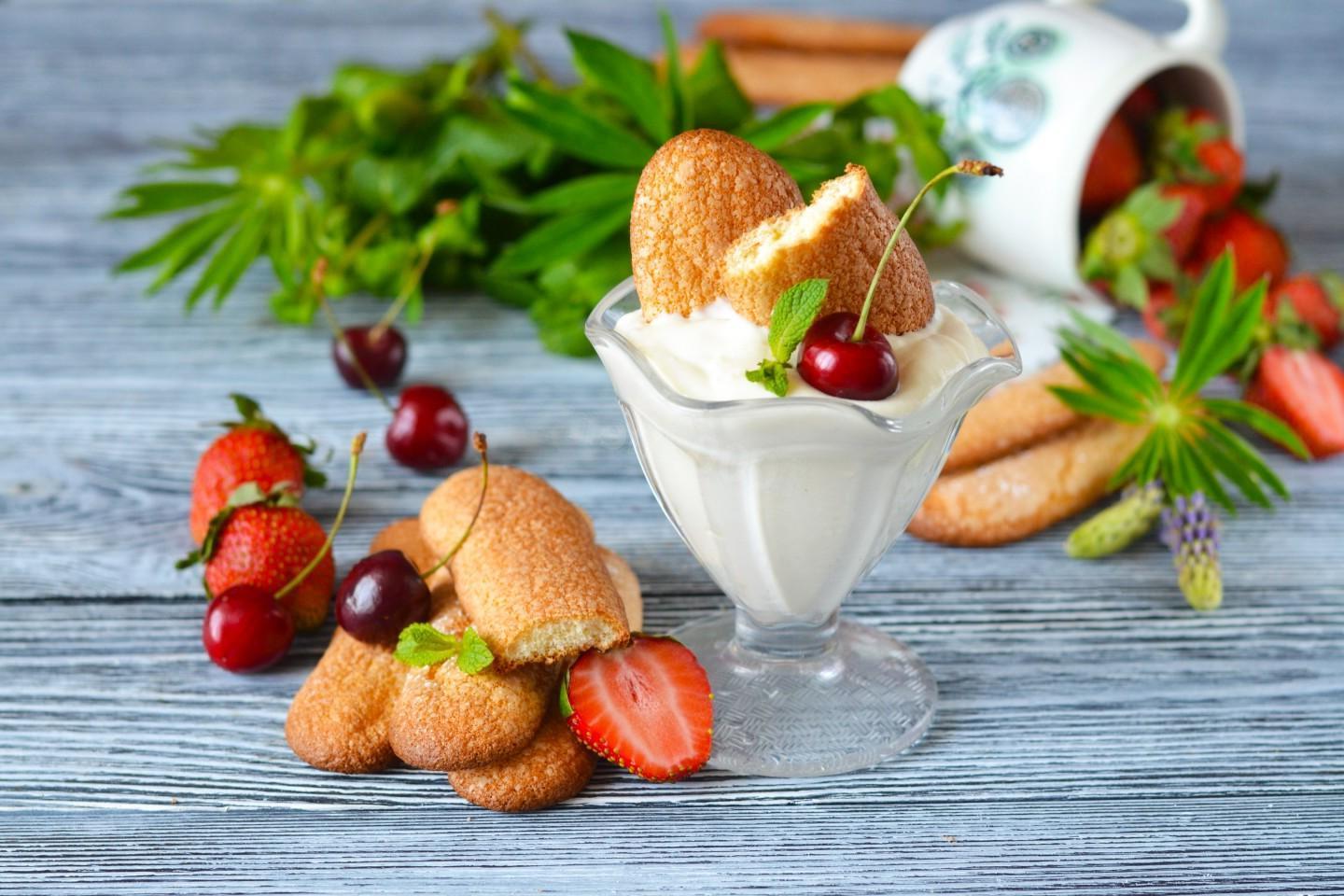
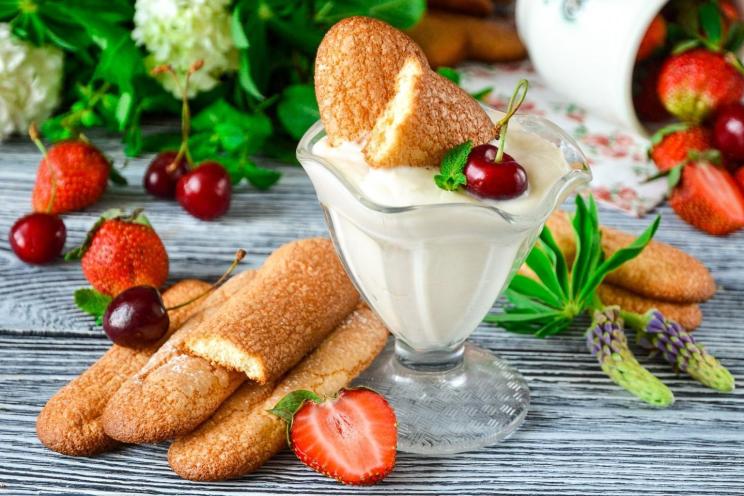
Delicious, airy, tender, with only four ingredients! Savoiardi cookies are easier to make than you think! You will spend at most 40 minutes on it. It is also known as lady fingers and is suitable not only for tiramisu — it is delicious on its own and with any cream or glaze!
cook time: 40 min
Gavin Tanner
Homemade Savoiardi: Easy Ladyfinger Cookies

Nutrition Facts (per serving)

268
Calories
6g
Fat
43g
Carbs
9g
Protein

Ingredients (10 portions)

Basic:

Sugar 100 g
Wheat flour 100 g
Eggs 4 pc
Powdered sugar (approximately) 2 tbsp

Recipe instructions

Step 1
Step 1
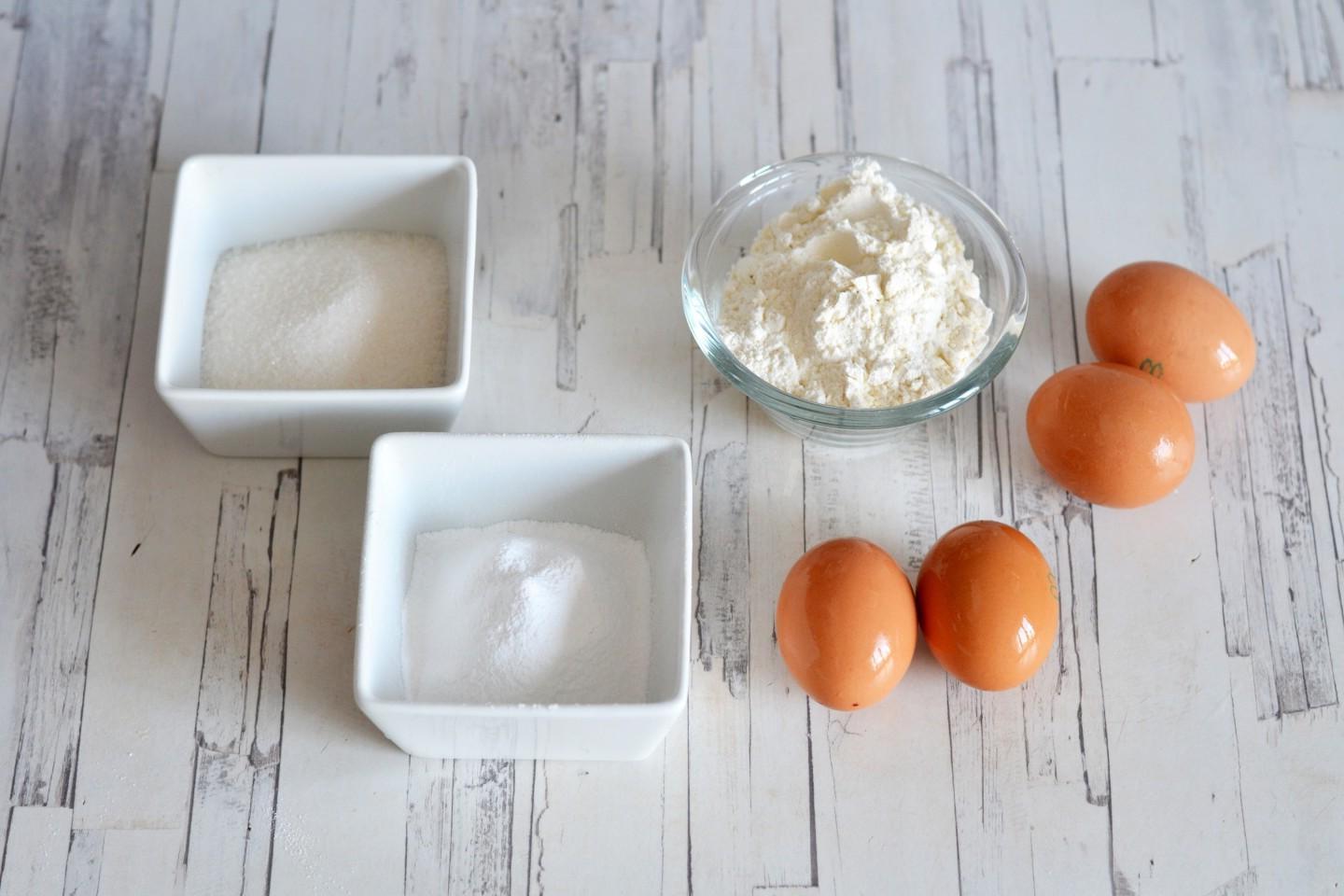
How to make Savoiardi cookies? In fact, everything is very simple. To begin, prepare the necessary ingredients according to the list. Take selected eggs or the first category. Flour is only the highest grade, and sugar is fine crystalline. Let me make a reservation right away that cookies prepared at home differ in volume from factory-made ones. They are not so tall, and of course not so even. But they taste exactly the same.

Step 2

Step 2
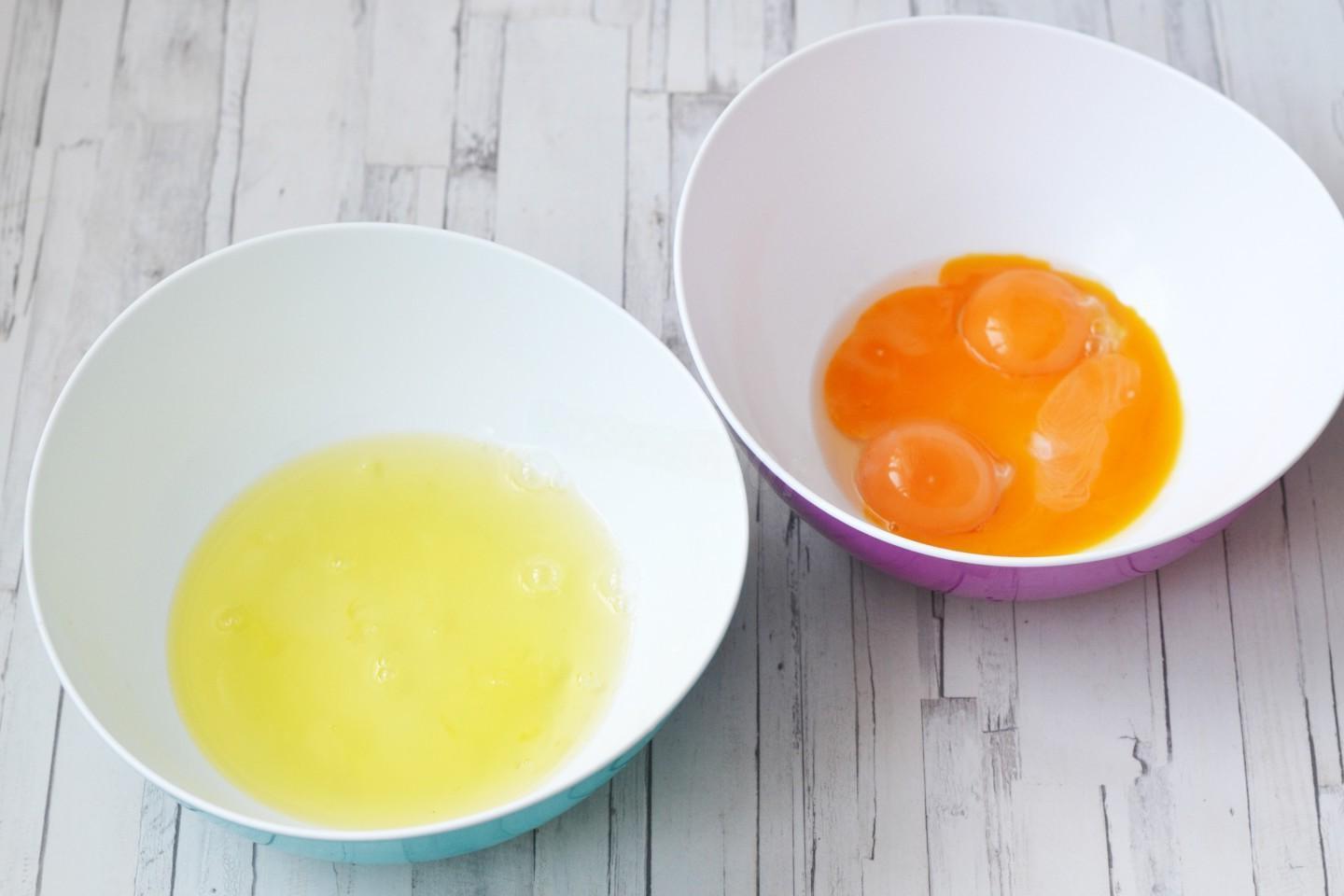
Divide the eggs into yolks and whites, being careful not to get a drop of yolk into the whites. The whites should be cold. The container in which the whites will be beaten must be clean, without droplets of water. If any of these conditions are violated, the whites will not whip into foam. Place the whites in the refrigerator immediately. You will learn all the intricacies of beating yolks and whites from the article at the end of this recipe.

Step 3

Step 3
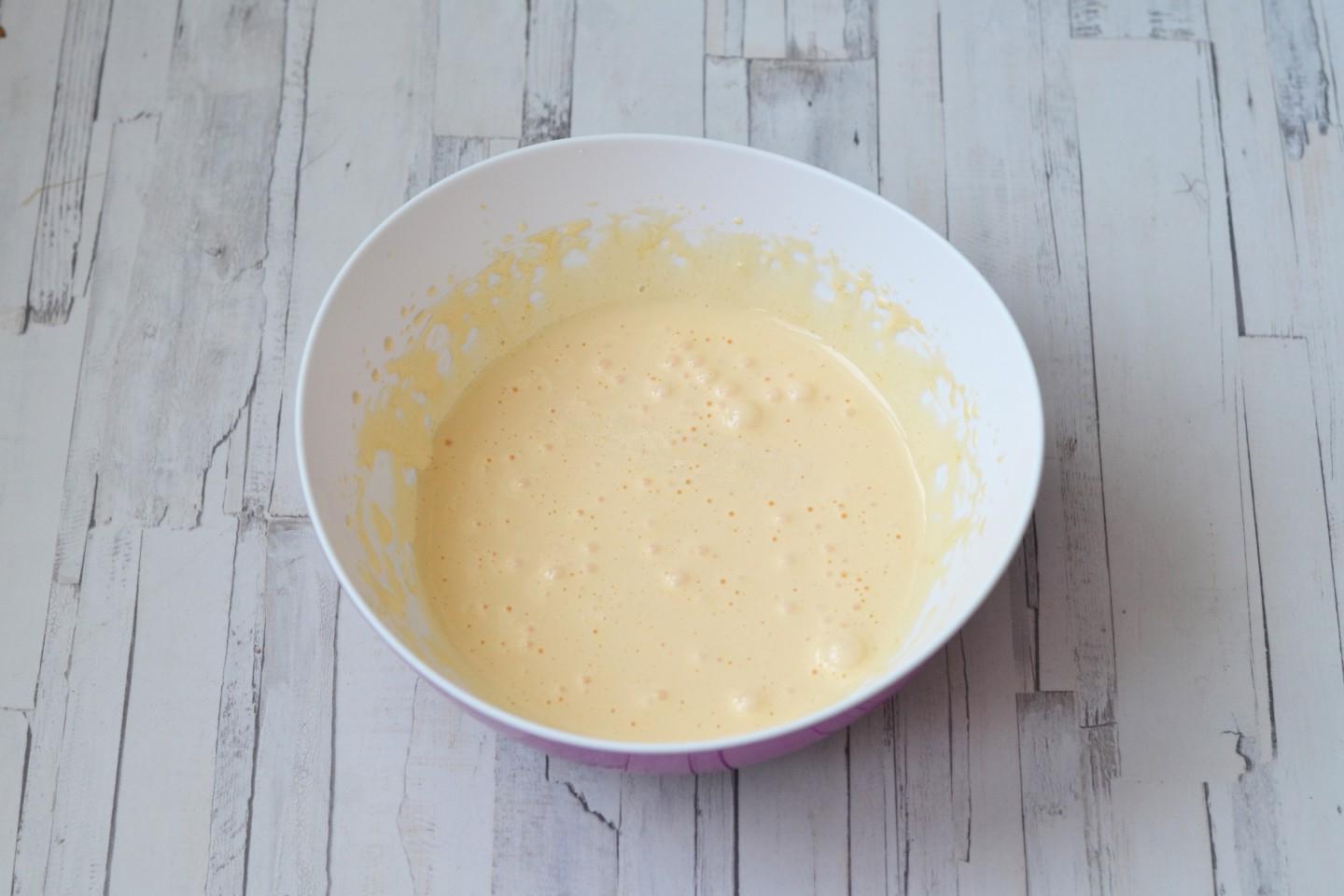
Pour half the sugar into the yolks and beat with a mixer into a fluffy light foam. You need to beat for at least 3 minutes, the yolks should increase in volume and become very light in color.

Step 4

Step 4
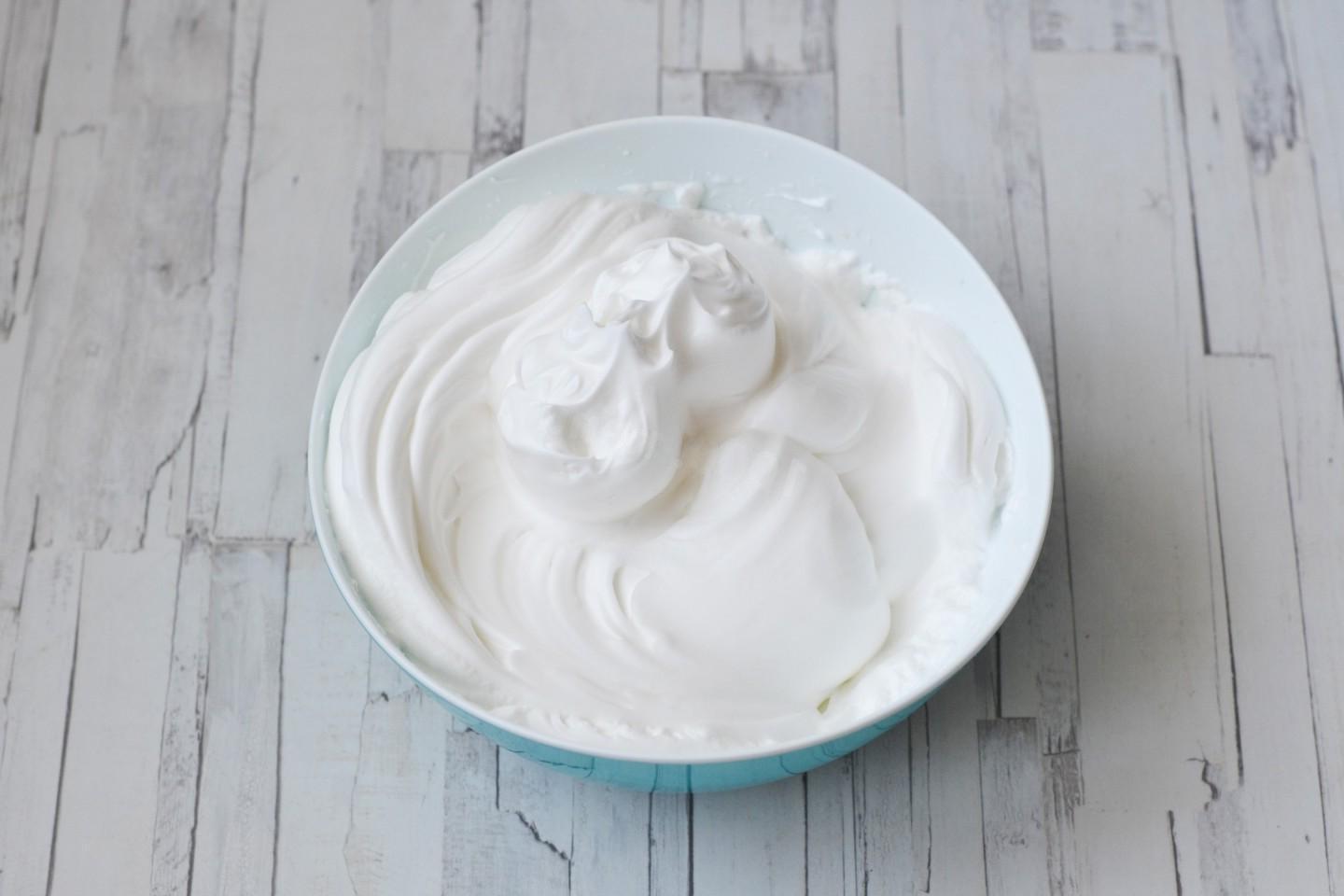
Remove the whites from the refrigerator and beat with a mixer (pre-wash and dry the beaters) into a thick, stable foam, gradually adding the remaining sugar. Beat the mixture until very stiff peaks form. When turning the bowl upside down, the whites should not fall out of it.

Step 5

Step 5
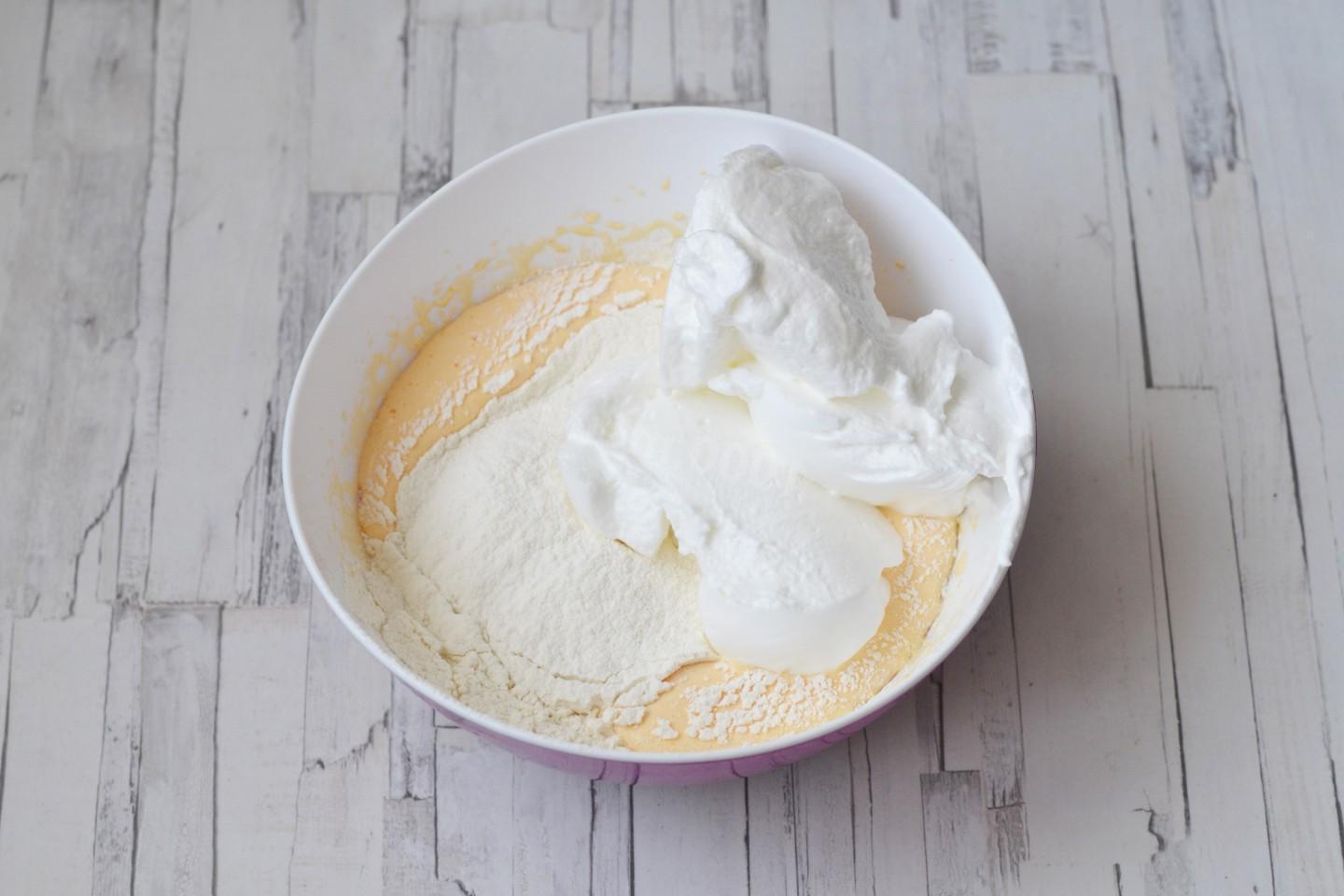
Add a quarter of the beaten whites and sifted flour to the beaten yolks. Mix with a mixer on low speed until smooth. It may take you more or less flour. But here every incomplete tablespoon counts, so I highly recommend that you still try to stick to the recipe. Or at least not deviate from it too much (+ — teaspoon). Read about the properties of flour in a separate article under the steps.

Step 6

Step 6
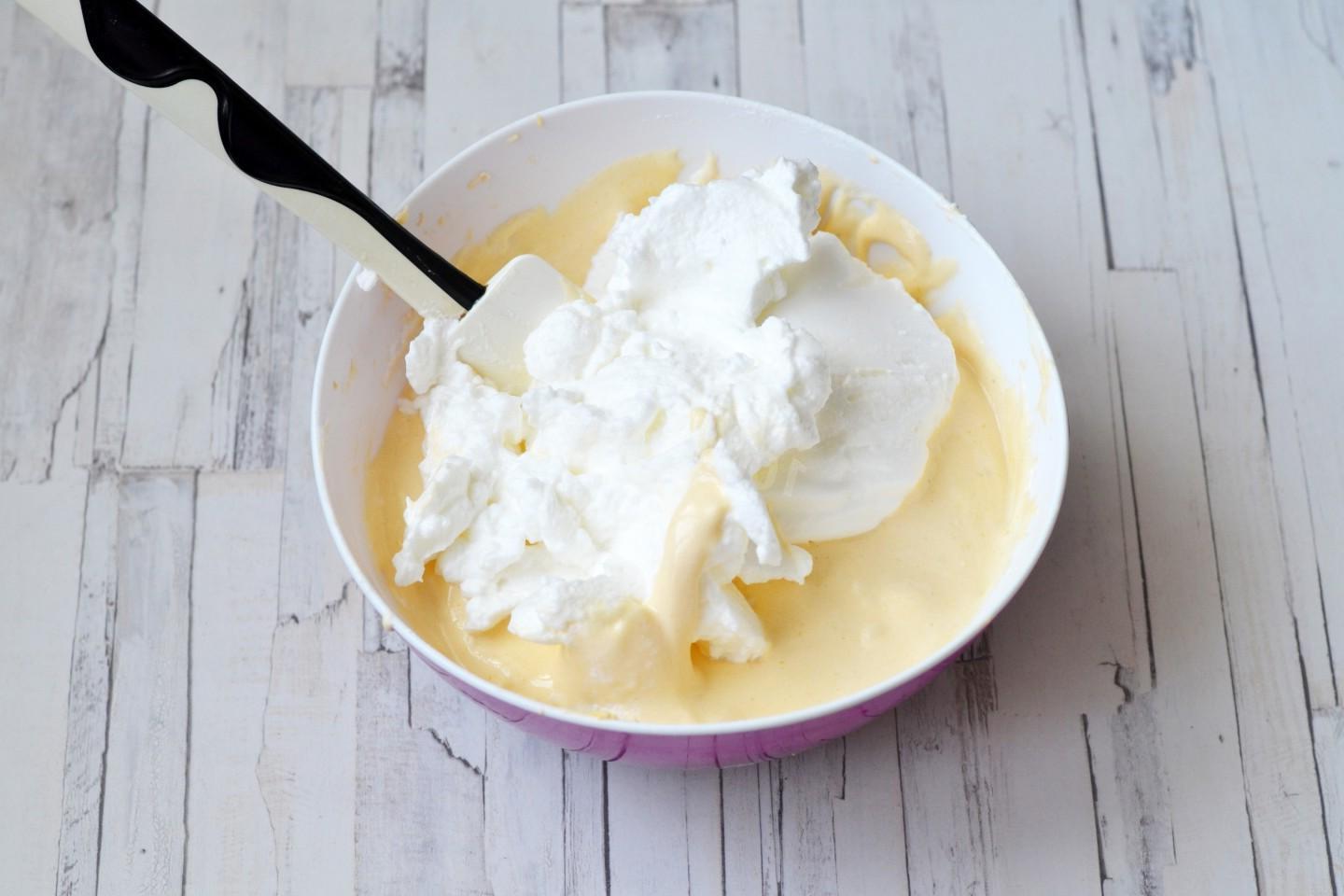
Mix the rest of the whites into the dough in parts, gently stirring the dough with a spatula from top to bottom so that the mass does not settle.

Step 7

Step 7
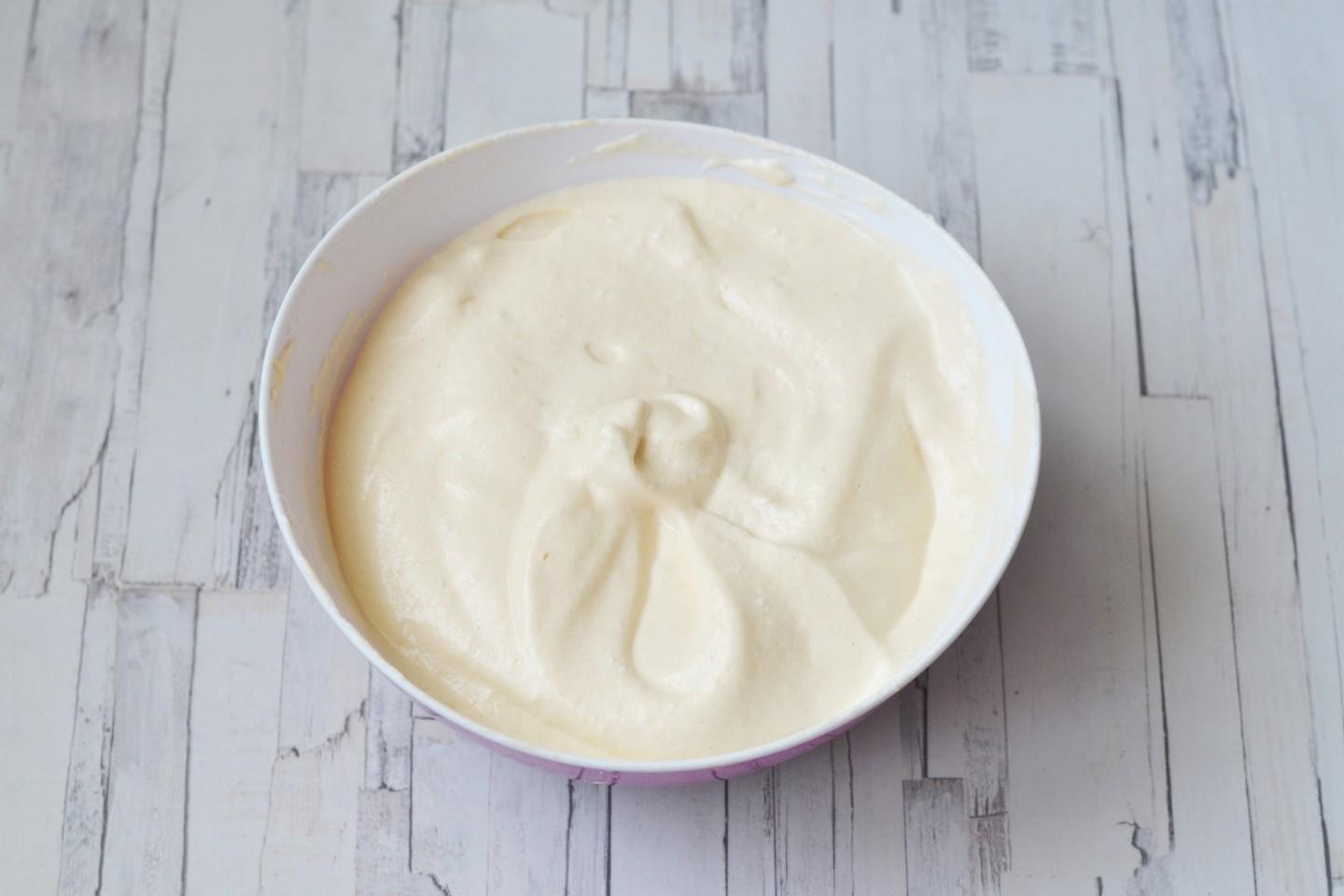
The finished dough should be viscous, but fluid, elastic and airy. If the dough is prepared correctly, the cookies will be as airy and crispy as store-bought ones.

Step 8

Step 8
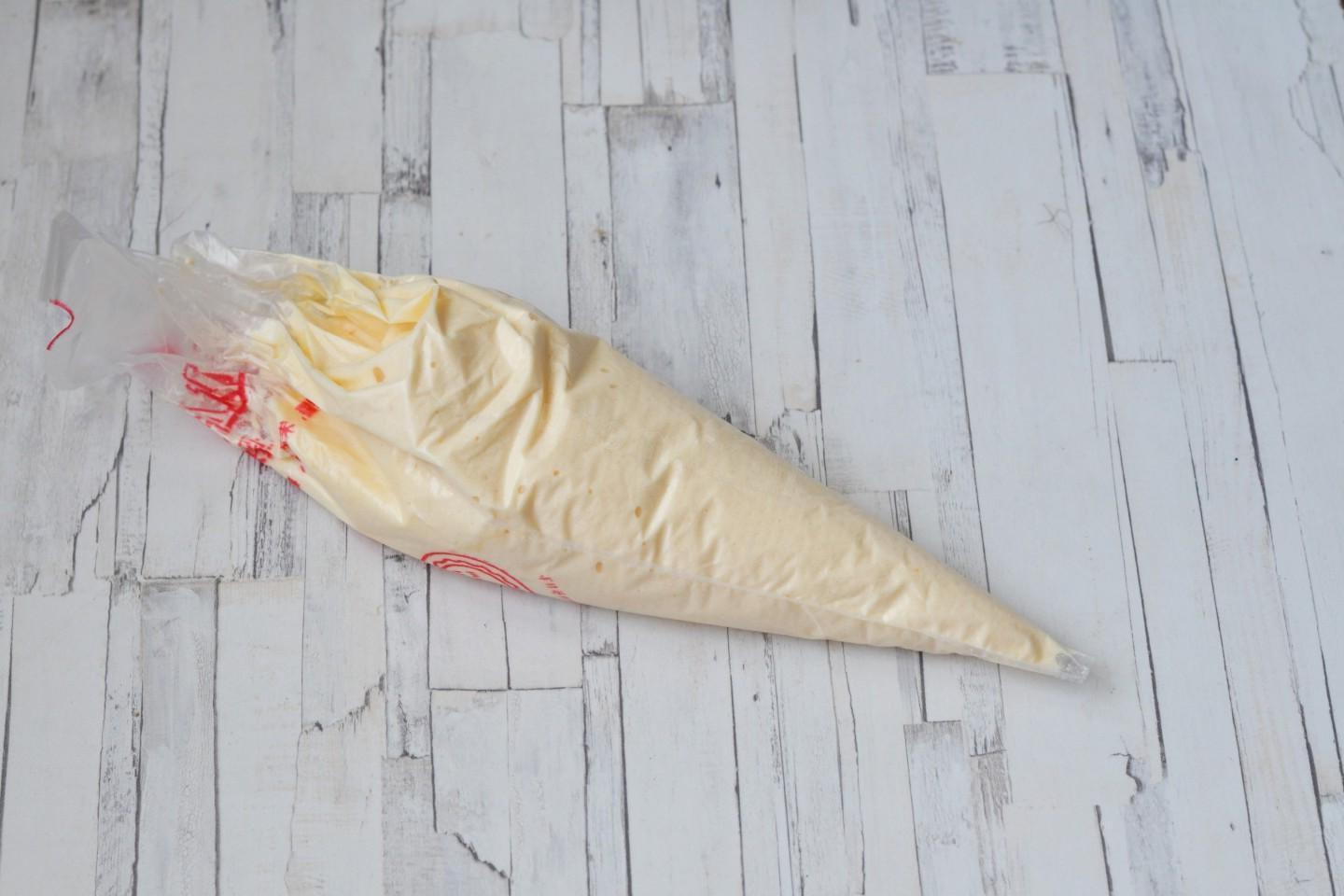
Place the dough into a piping bag fitted with a 10mm round tip. If you donʼt have a pastry bag, no problem. You can simply transfer the dough into a thick plastic bag and cut off the tip.

Step 9

Step 9
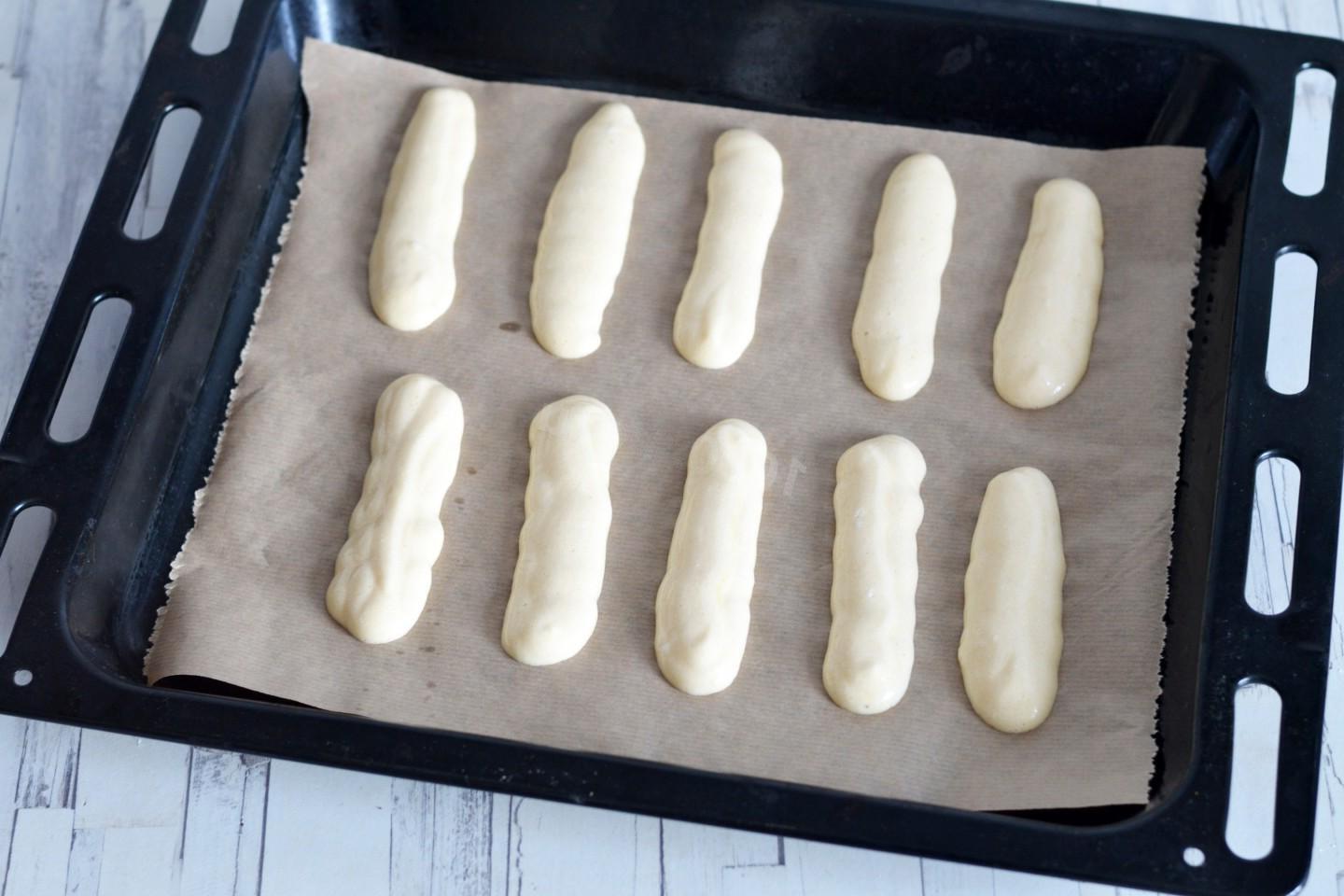
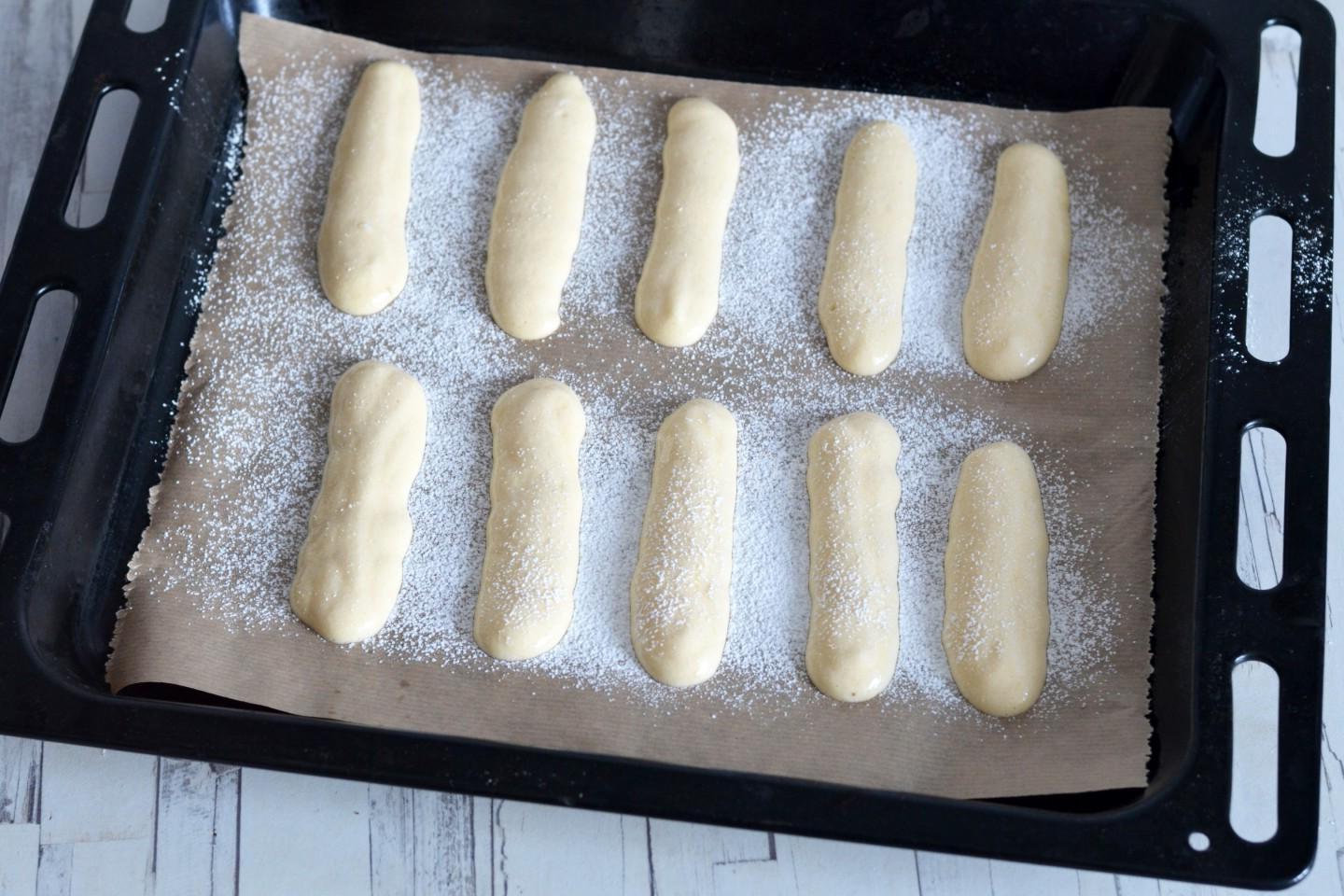
On a baking sheet lined with parchment or a silicone mat, place oblong cookies about 1.5 cm long and wide from a baking bag from a baking bag at a distance from each other, so that as they increase in size, the cookies do not stick together.

Step 10

Step 10
Sprinkle powdered sugar on top. To ensure that the powder is evenly distributed, I recommend sifting it through a strainer. Bake cookies in an oven preheated to 180°C for 6-10 minutes until golden brown. It is better not to open the oven during baking, as the cookies may not rise at all. The exact time depends on your oven. They cook very quickly and it is better not to go far from the oven and make sure that they do not burn on the bottom.

Step 11

Step 11
Remove the finished cookies from the oven and cool on a wire rack at room temperature. Read about the operation of ovens in a separate article at the end of the recipe. From this amount of dough I got 28 cookies. Powdered sugar melts during baking and covers the surface of the cookies with a beautiful craquelure pattern. Bon appetit!

Additional rubrics