Baked Donuts: Healthier and Family-Friendly Treats

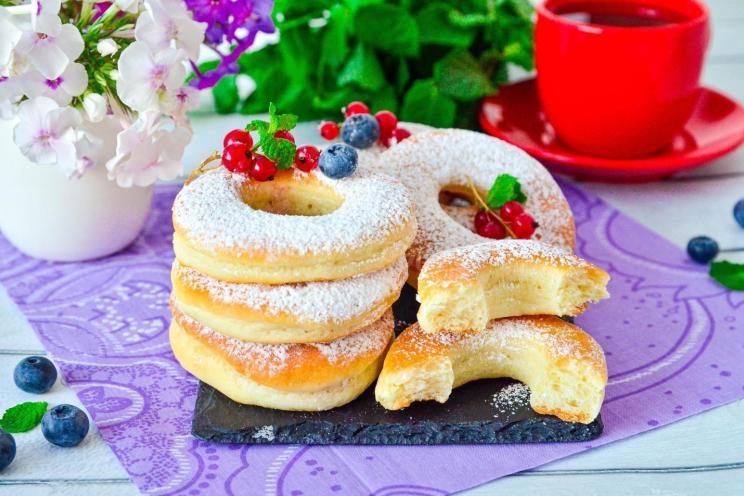
Lush, airy, for the whole family, made from ordinary products! Donuts in the oven are different from the usual deep-fried ones. But precisely because they are baked, they are not greasy and less harmful, so these donuts can be safely given to children. The dough for them is easily kneaded by hand, without using a mixer.
cook time: 2h 30 min
Isla Thatcher
Baked Donuts: Healthier and Family-Friendly Treats

Nutrition Facts (per serving)

298
Calories
8g
Fat
43g
Carbs
8g
Protein

Ingredients (12 portions)

Basic:

Salt 0.5 tsp
Sugar 50 g
Wheat flour (± 50 grams) 400 g
Butter (softened) 50 g
Milk (+ tablespoon for greasing donuts) 200 ml
Vanillin (pinch) to taste
Eggs 1 pc
Vegetable oil (for lubricating the bowl) 0.5 tsp
Dry yeast 7 g

Recipe instructions

Step 1
Step 1
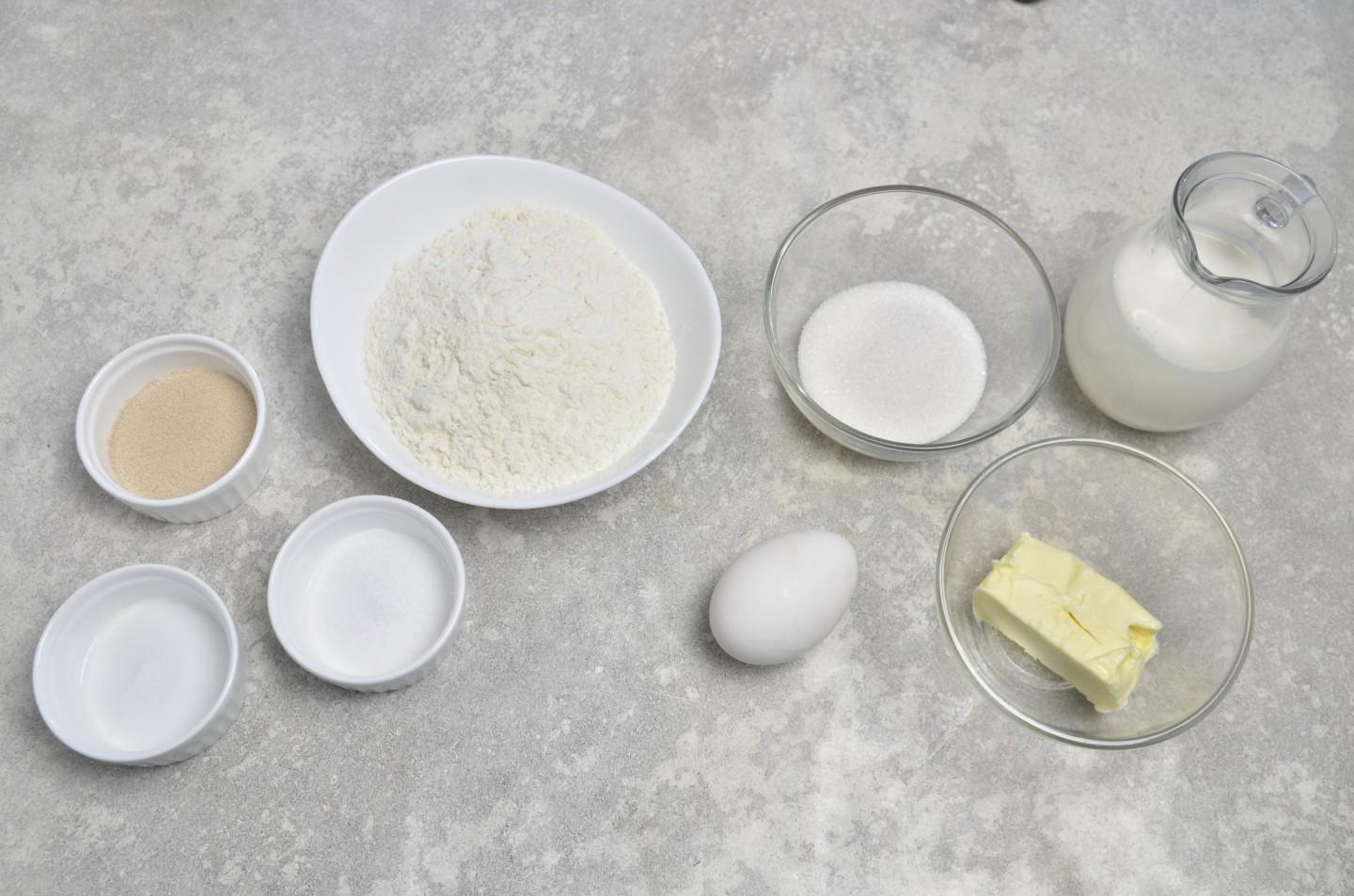
How to make donuts in the oven? Prepare your food. The amount of flour given is average, it may take more or less, you will look at the consistency of the dough. Remove the butter and egg from the refrigerator in advance to warm them up.

Step 2

Step 2
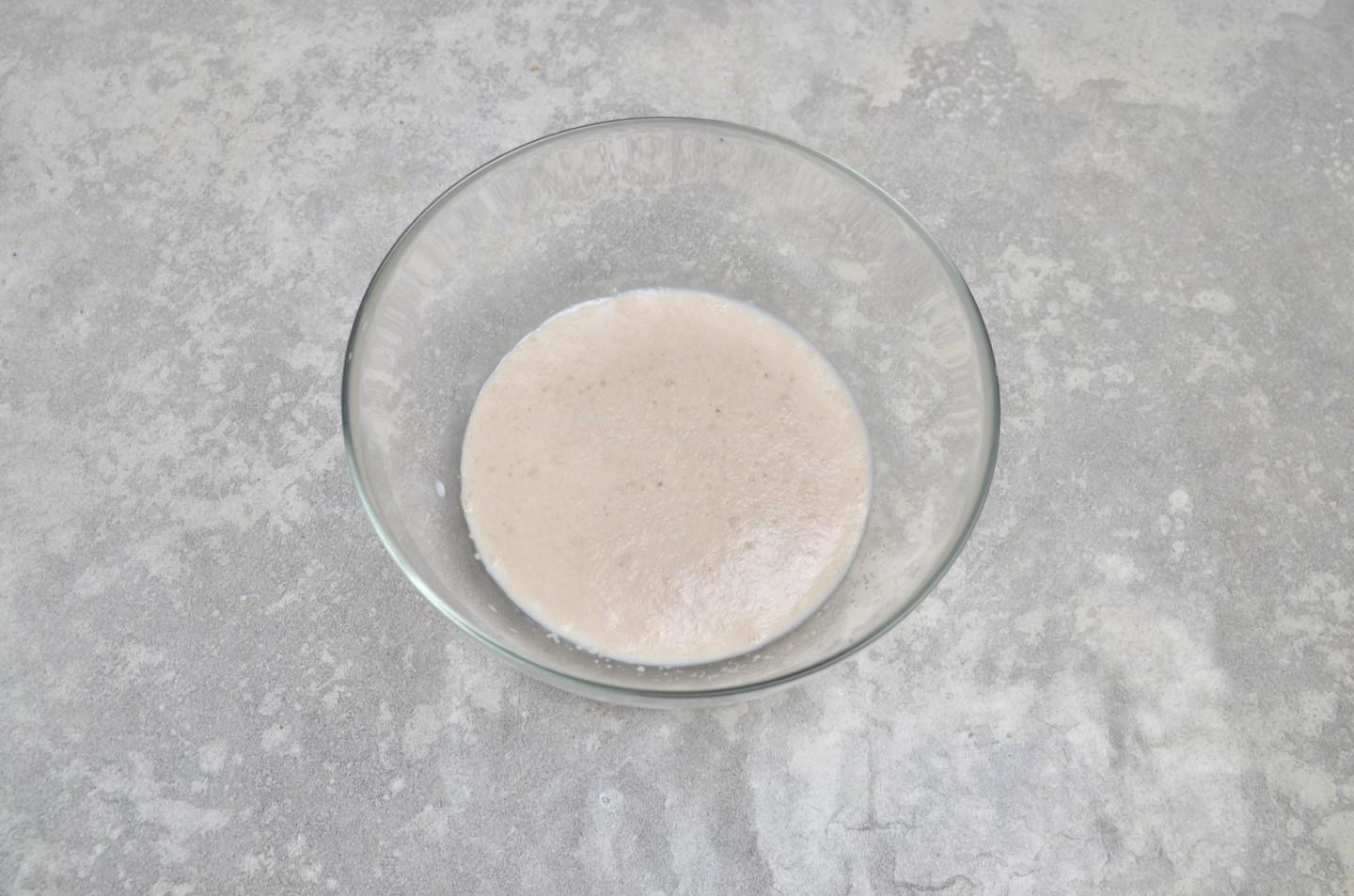
First of all, activate the yeast. To do this, heat the milk to a temperature of 37-38°C, but no more — it should become pleasantly warm, not hot. Add sugar and yeast to milk. Stir and leave to stand for 15 minutes. During this time, the yeast should rise to the surface with a foamy cap — this means that it is active and ready to work. If this does not happen, then take others. I test all yeast this way, even those mixed with flour.

Step 3

Step 3
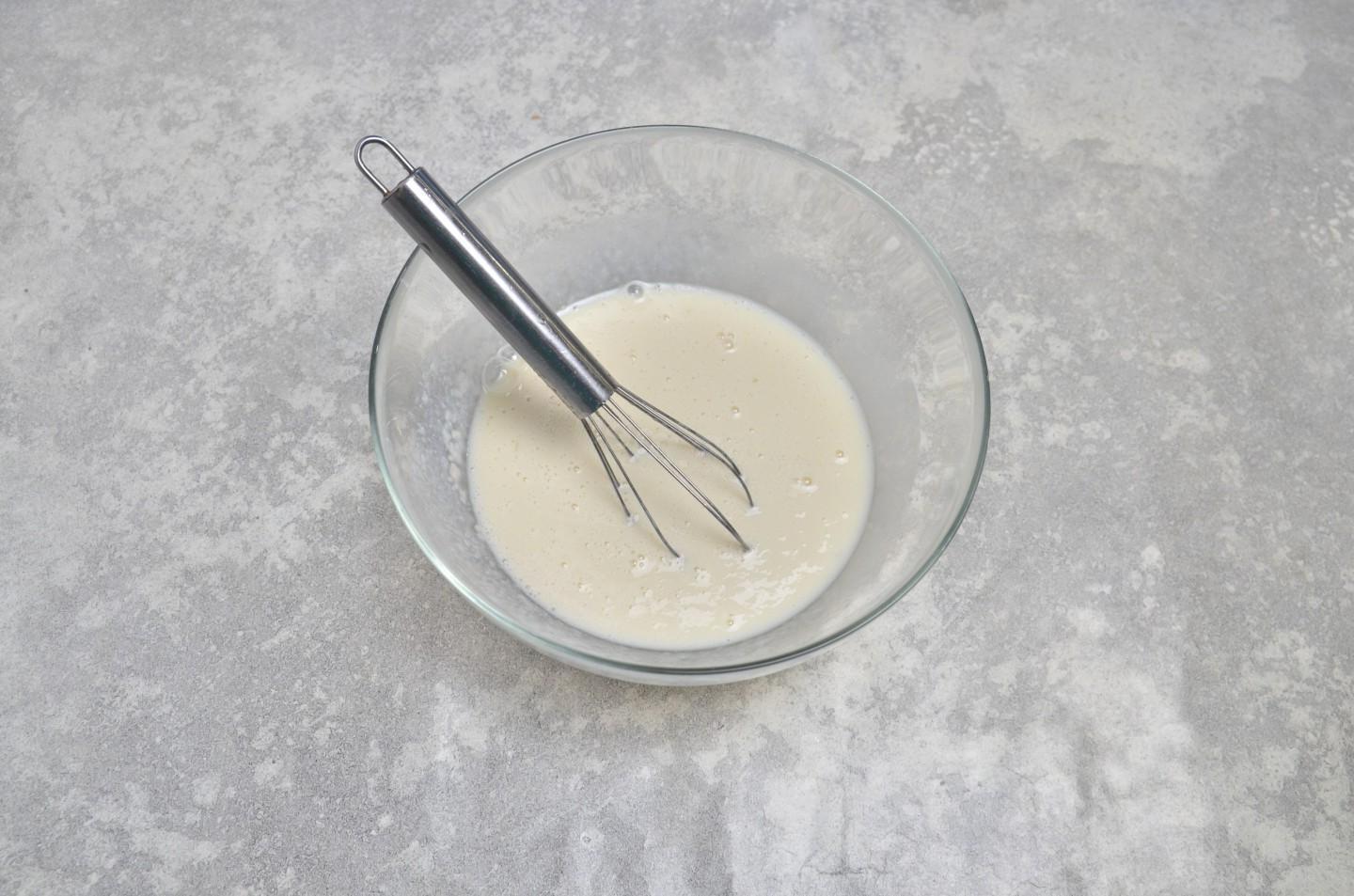
Beat the egg into the milk-yeast mixture and add vanillin. Stir.

Step 4

Step 4
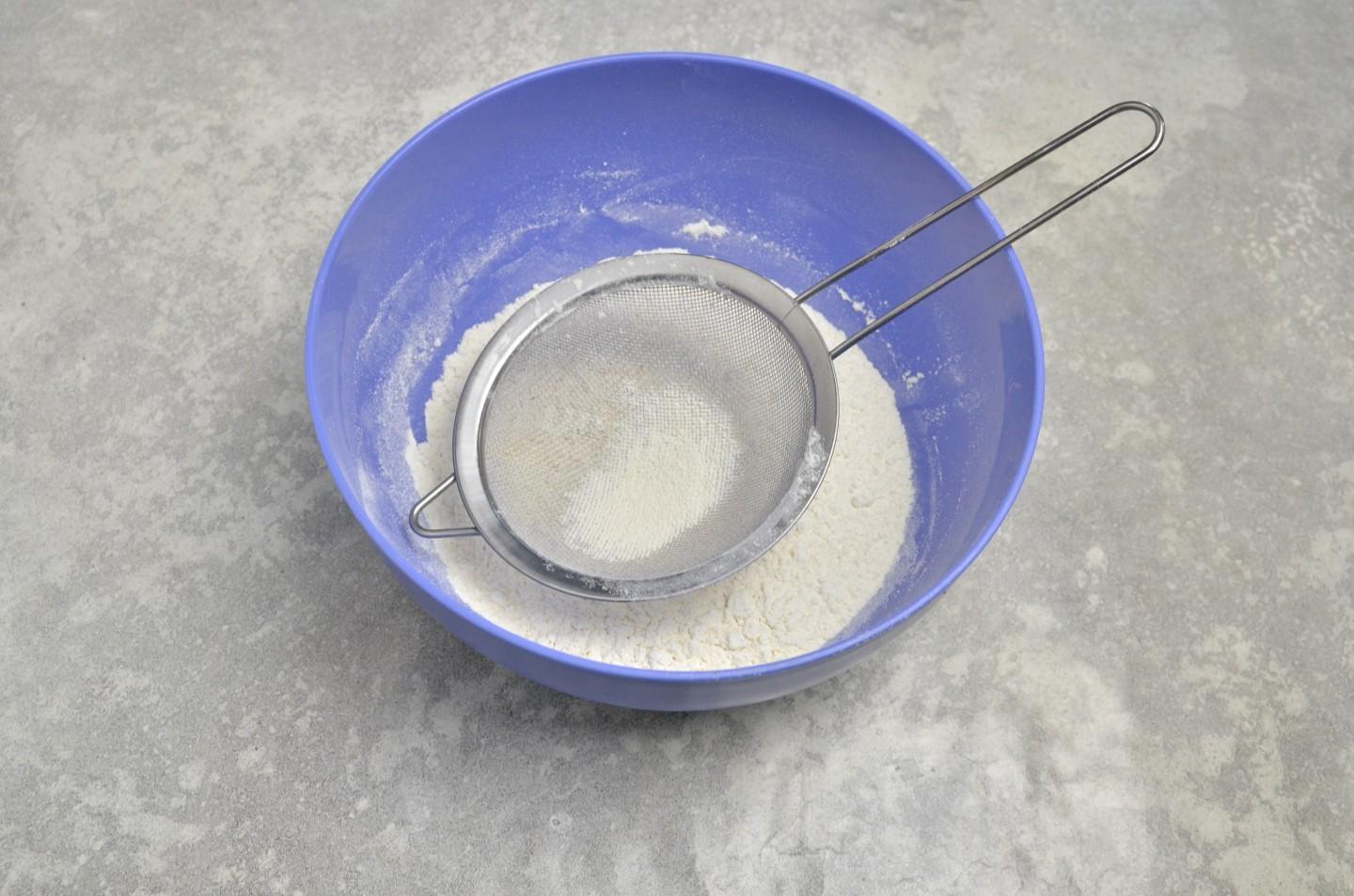
Sift the flour into a separate bowl — this will not only rid it of possible debris, but also saturate it with oxygen, which will make the baked goods more fluffy. Start with 350 grams, then add the rest to the dough, as needed. Add salt to flour and stir.

Step 5

Step 5
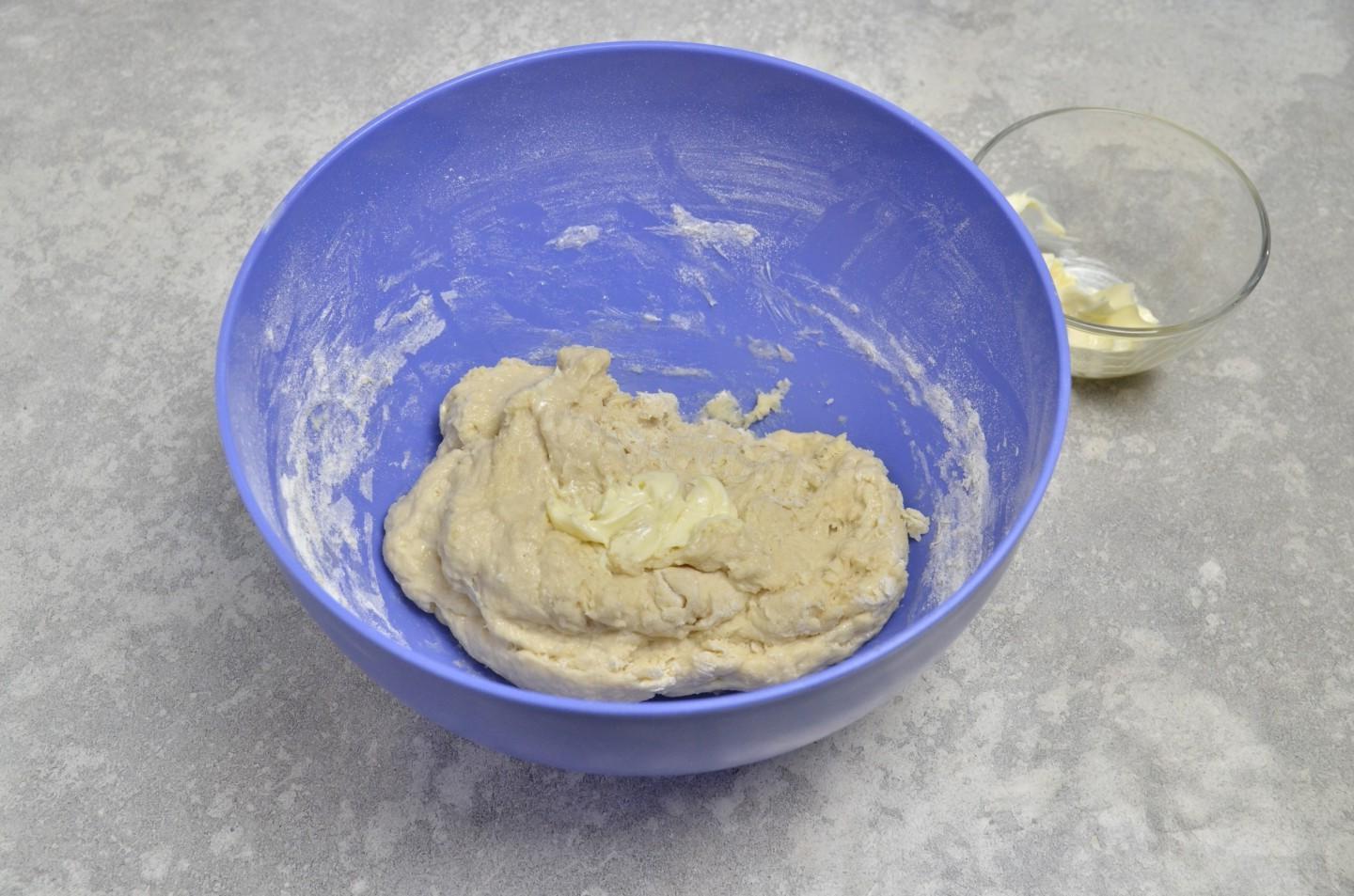
Pour the milk and yeast mixture into the flour and stir it in with a spoon. The dough will still seem dry to you, that’s how it should be, oil will fix everything. Start kneading the dough with your hands, adding soft butter to it piece by piece. Gradually the dough will begin to become softer, more homogeneous and more elastic.

Step 6

Step 6
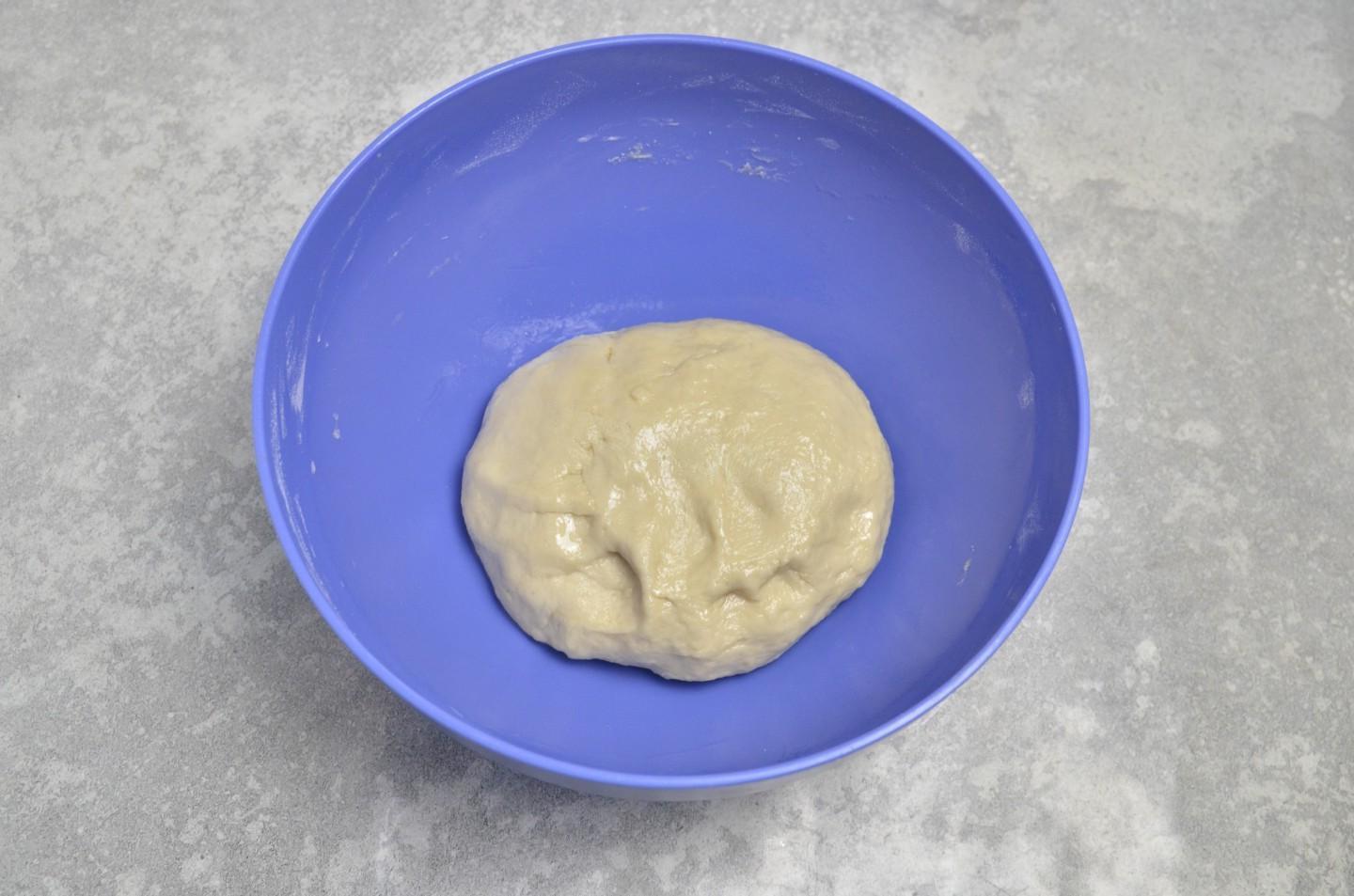
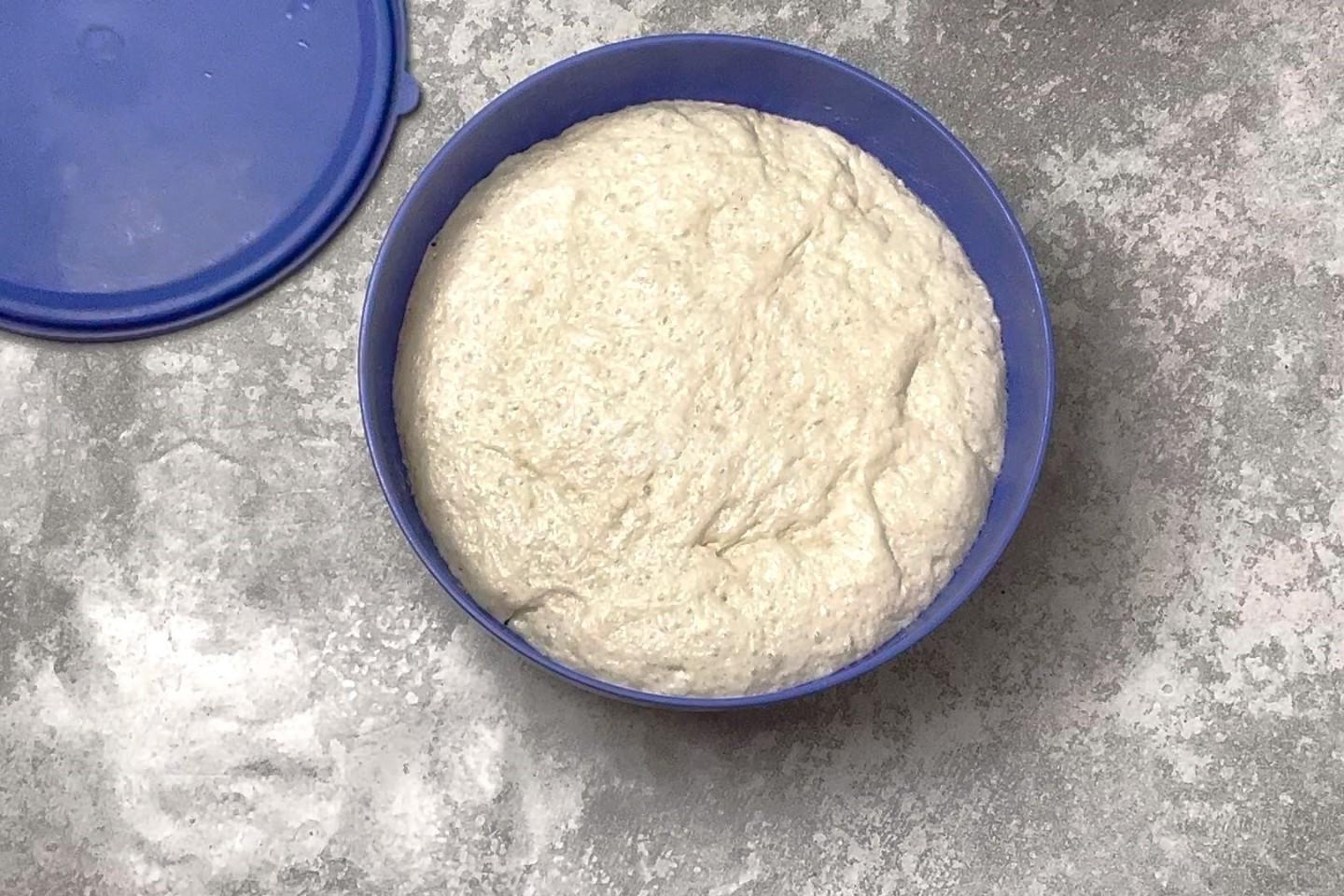
When all the butter has been added, it will become clear whether more flour is needed. I added a couple tablespoons because the dough seemed too soft. Knead it until completely smooth. It should stop sticking to your hands. Gather the dough into a ball, grease the bowl with a drop of vegetable oil, and return the lump of dough to it. Cover the bowl with cling film, a towel or a lid and set aside in a warm place to rise for 1 hour. I always put it in a non-working oven.

Step 7

Step 7
During this time, the dough will greatly increase in volume and bubble. Punch it down and place it on the work surface.

Step 8

Step 8
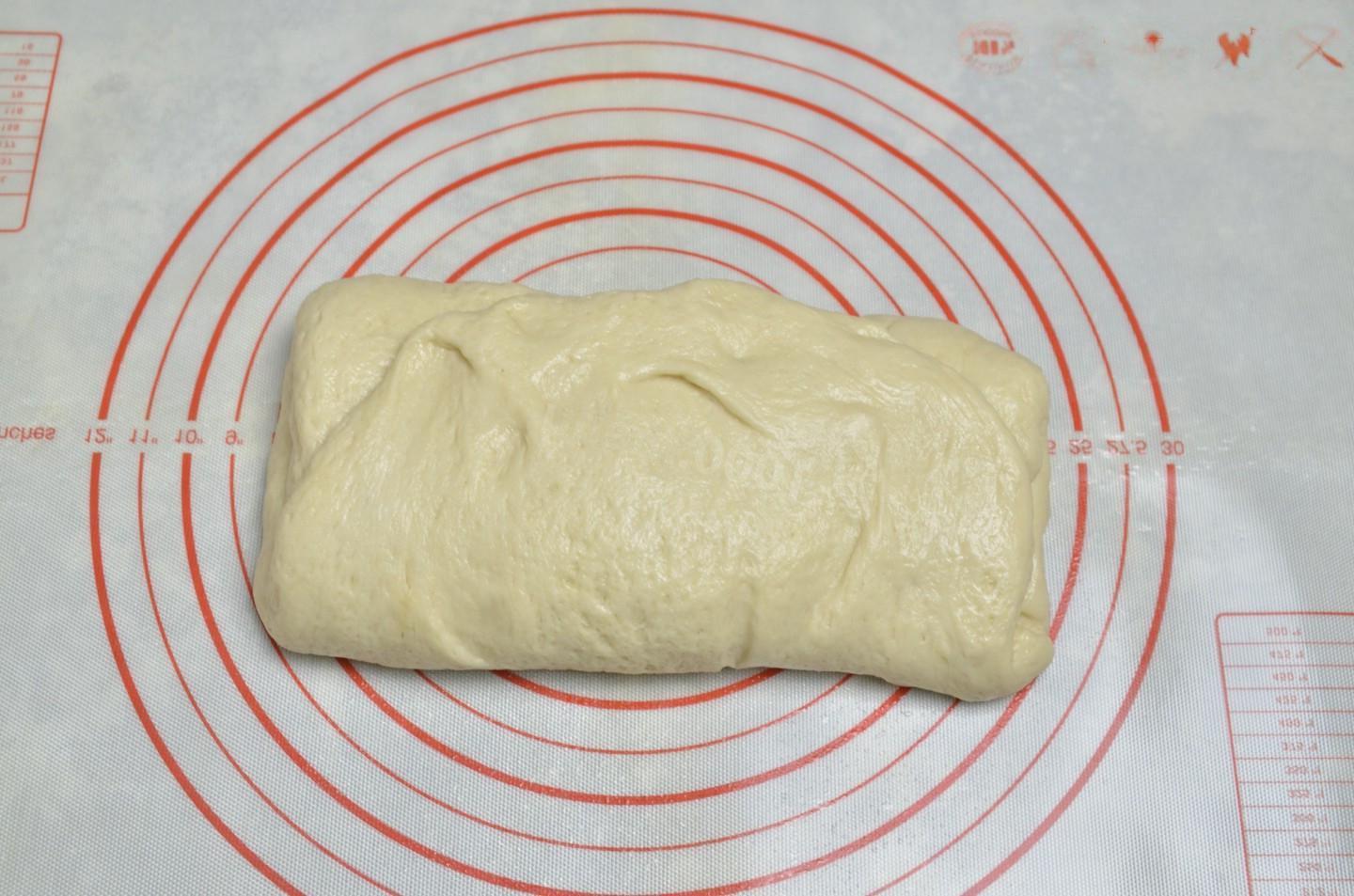
Using your hands, knead the dough into a layer and fold it into an envelope. Cover with a napkin and leave for 15 minutes.

Step 9

Step 9
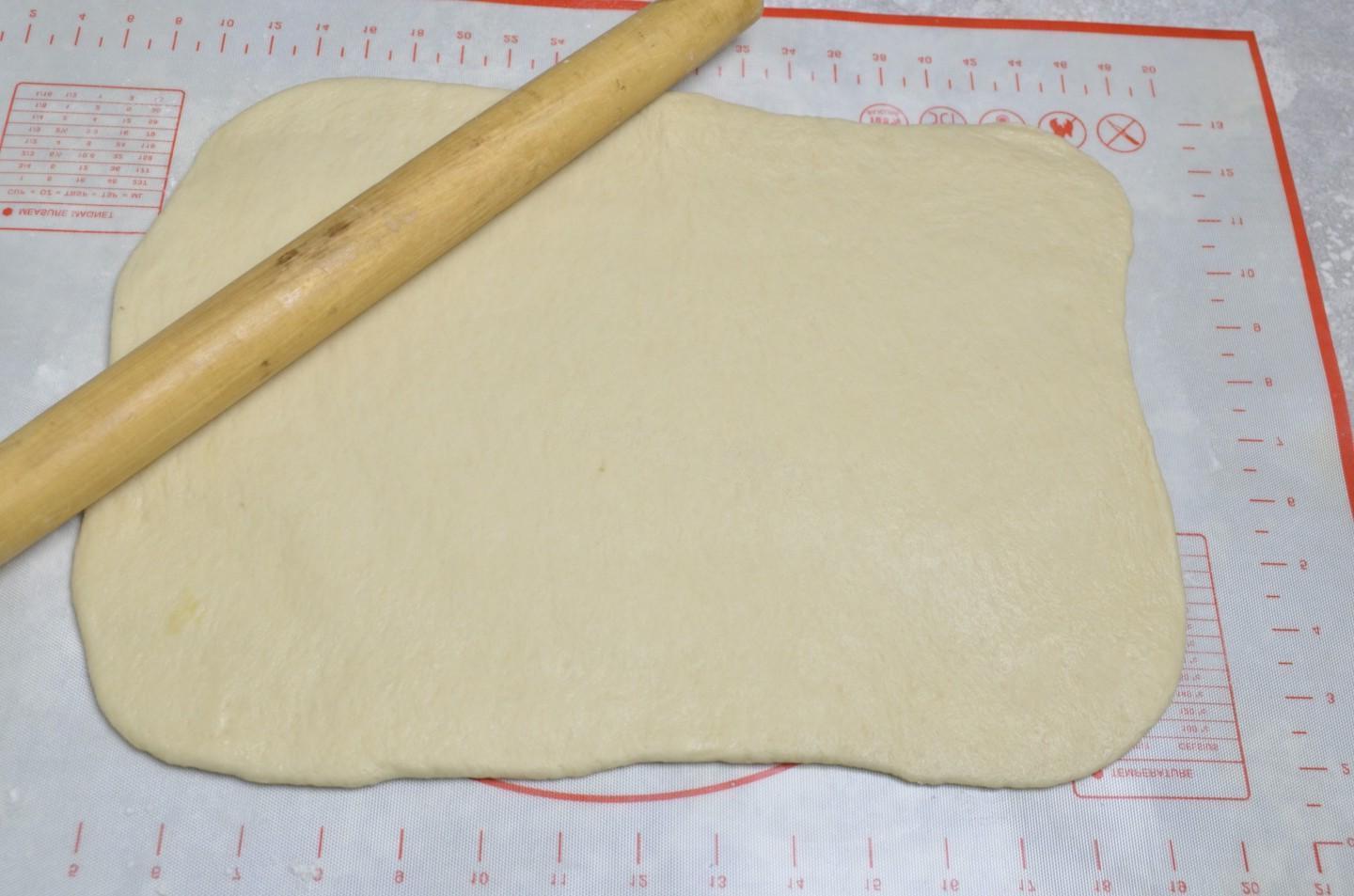
Then sprinkle the table with flour and roll out the dough into a layer. The author advised making it 0.5 cm thick, I suggest rolling it out thicker — the donuts will turn out more fluffier.

Step 10

Step 10
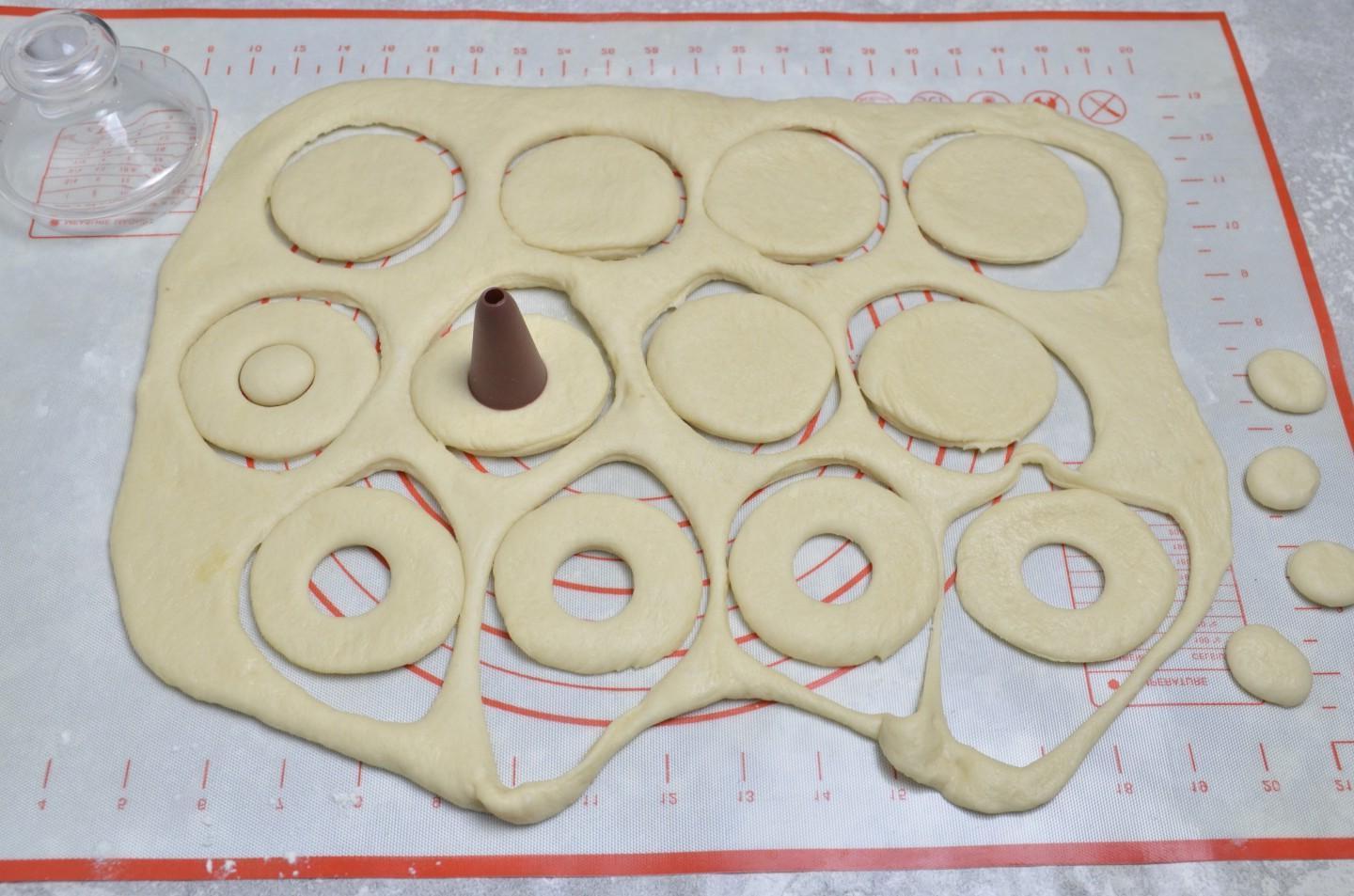
Cut circles from the dough into a suitable shape (I used a lid with a diameter of 8cm). Cut a smaller hole in the center (you can take a bottle cap, I cut it with a nozzle). Do not throw away the remaining dough; it will make a second portion.

Step 11

Step 11
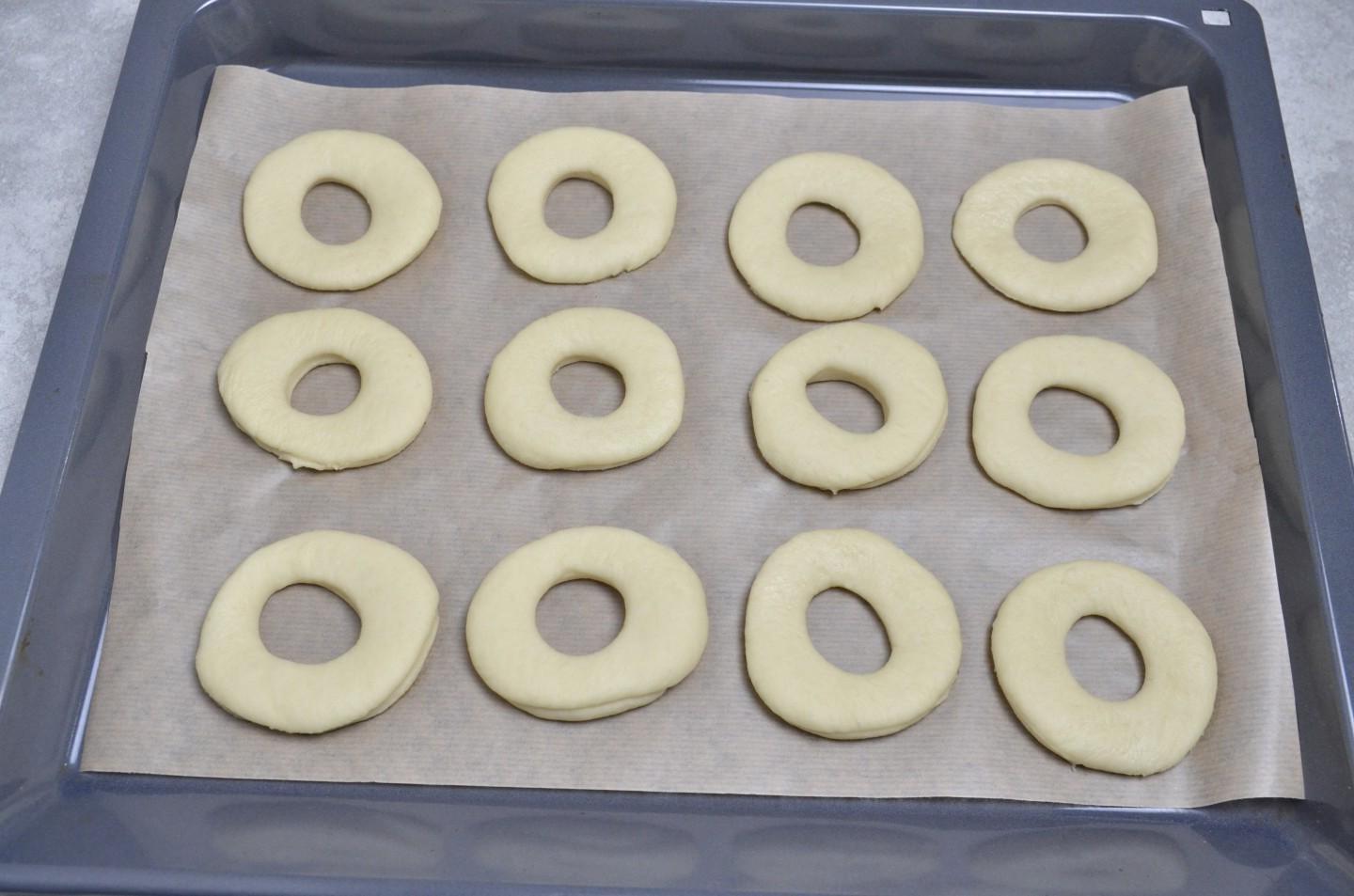
Line a baking sheet with baking parchment. Place the donuts on it, cover with a napkin and leave for 30 minutes.

Step 12

Step 12
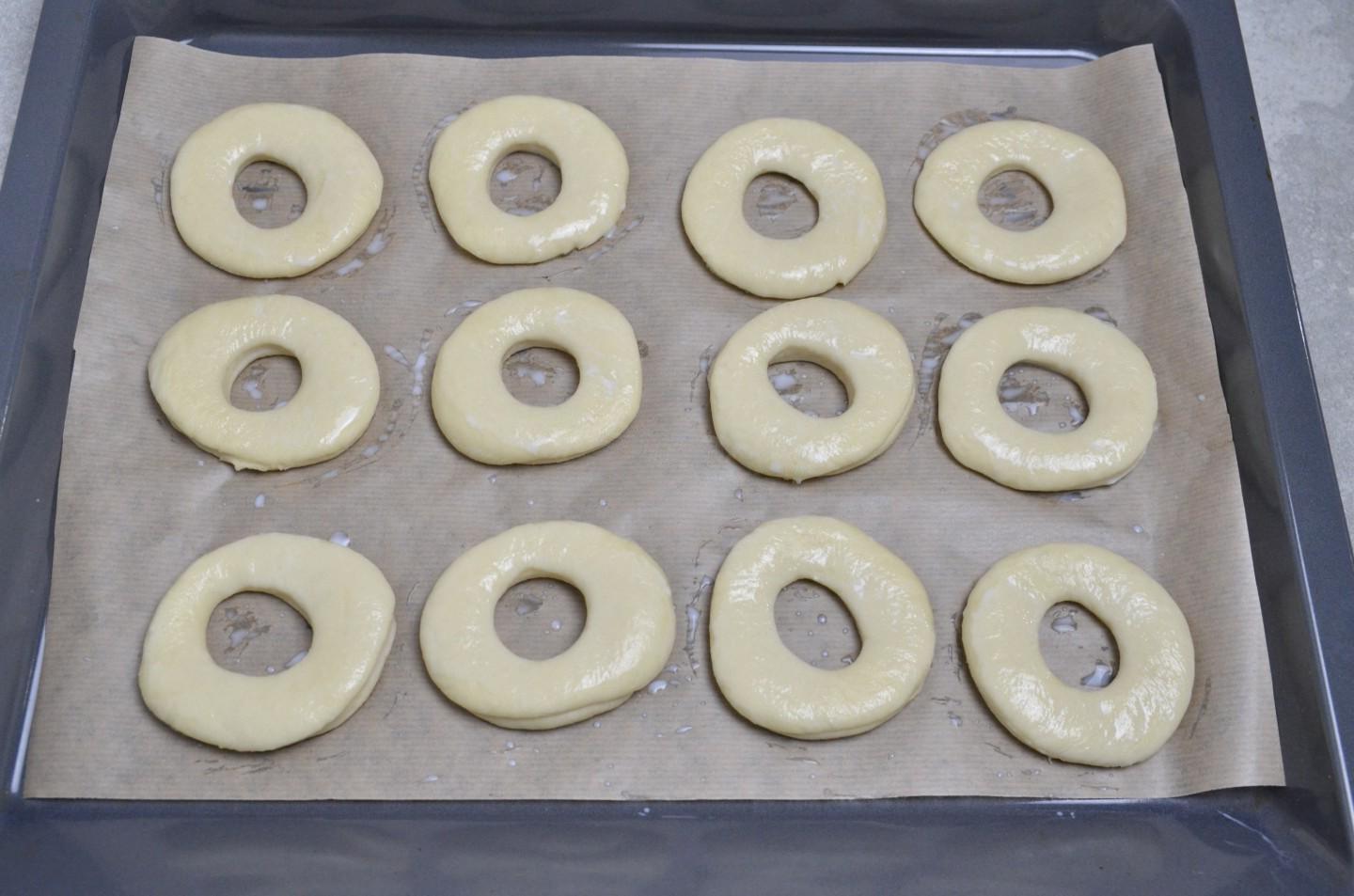
Then brush the tops of the donuts with milk — this will help them brown as they bake. You can also grease with egg, a mixture of egg and milk, or not grease at all.

Step 13

Step 13
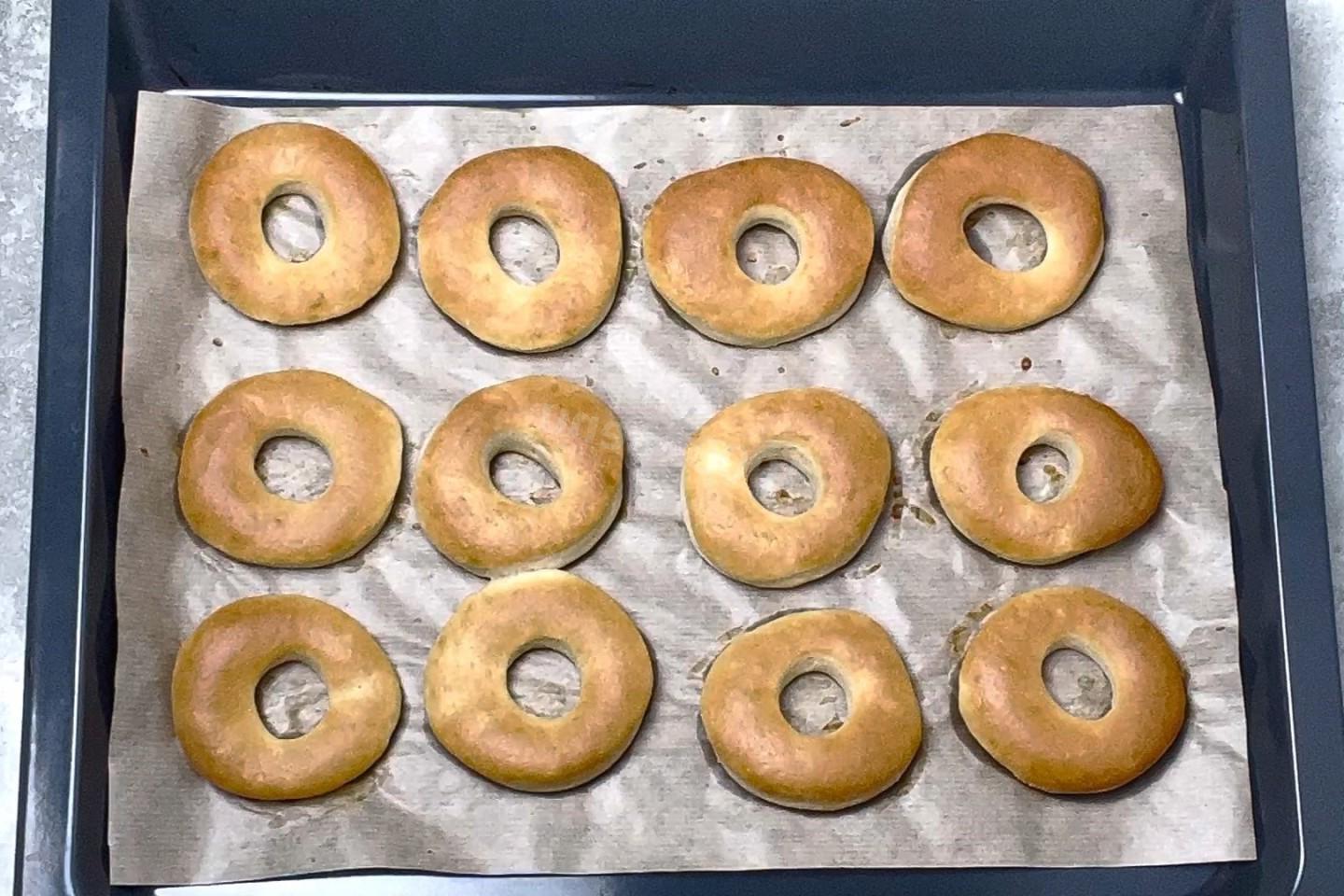
Bake the donuts in the oven, preheated to 190°C, for about 15 minutes — they should be golden. Remove the finished donuts from the oven and cool on a wire rack.

Step 14

Step 14
Before serving, you can dust the donuts with powder or frost them. Bon appetit!

Additional rubrics