Sugar-Crusted Puff Pastry Buns

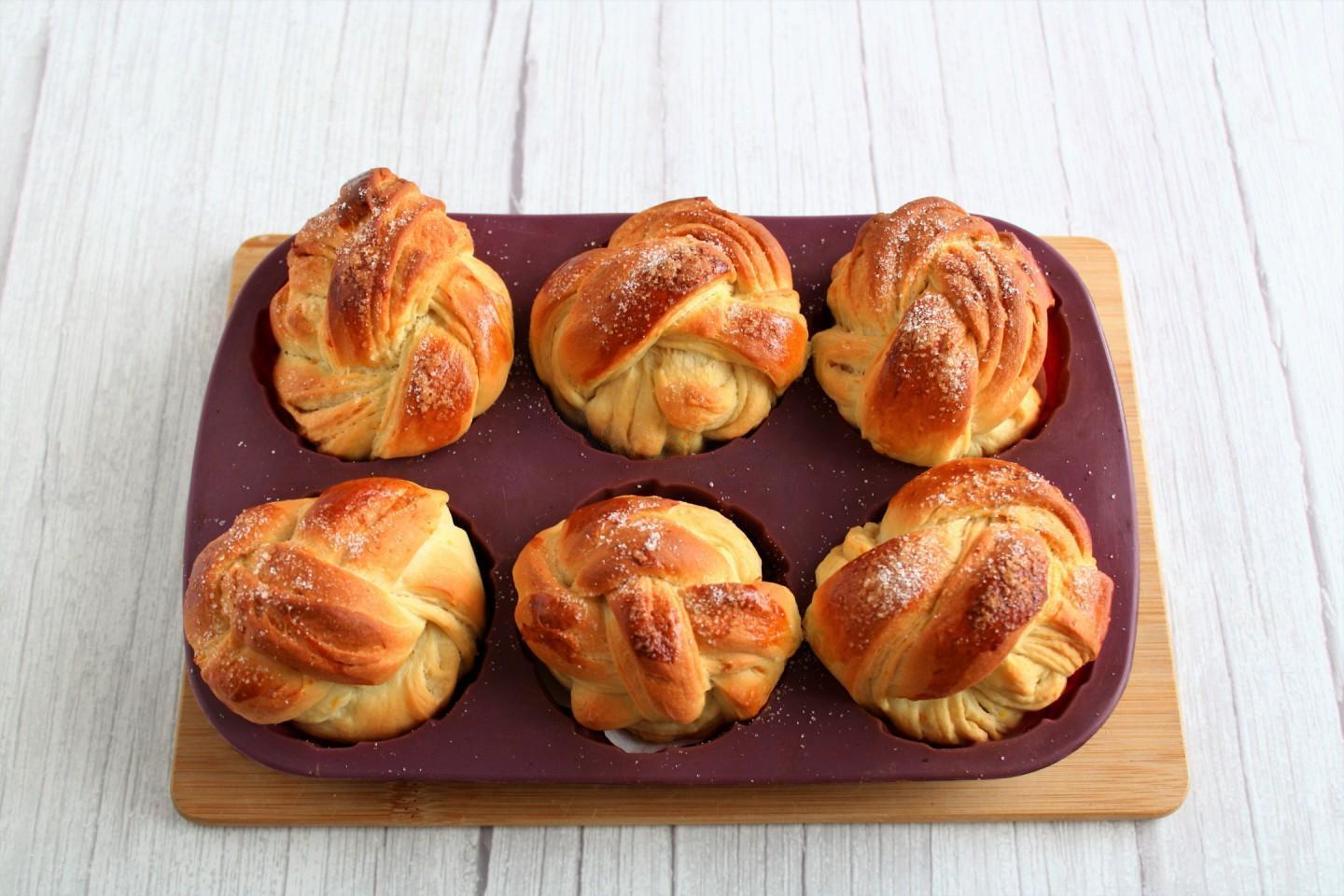
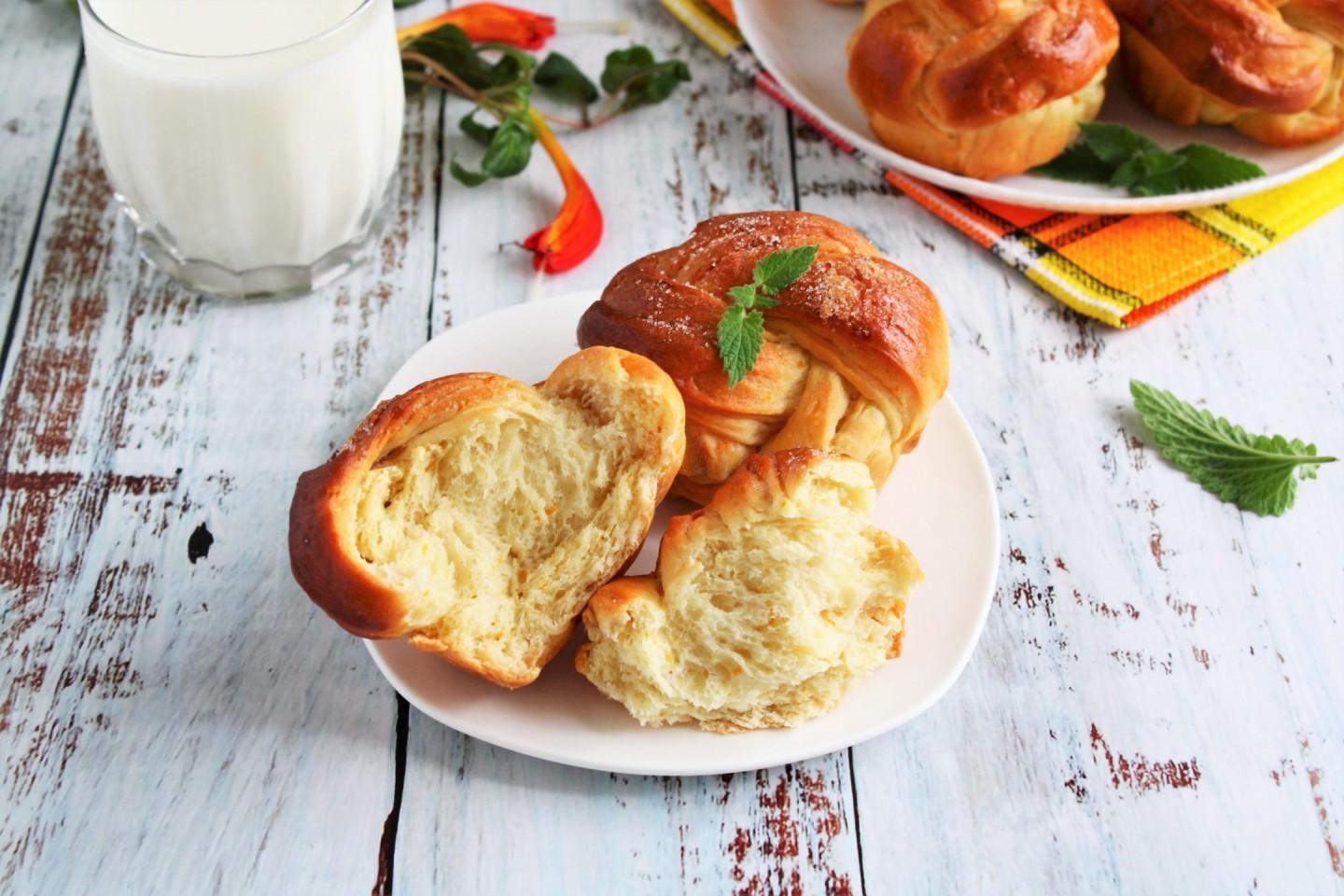
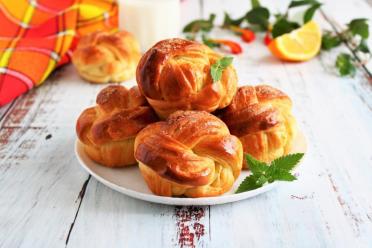
Delicate, fluffy, beautiful, for a delicious tea party! While baking buns made from puff pastry with sugar, an amazing aroma wafts through the apartment, beckoning everyone to the kitchen. Sweet pastry with an interesting wicker shape and an appetizing crispy crust will be a simple decoration for your home table.
cook time: 2h 40 min
Freya Ashford
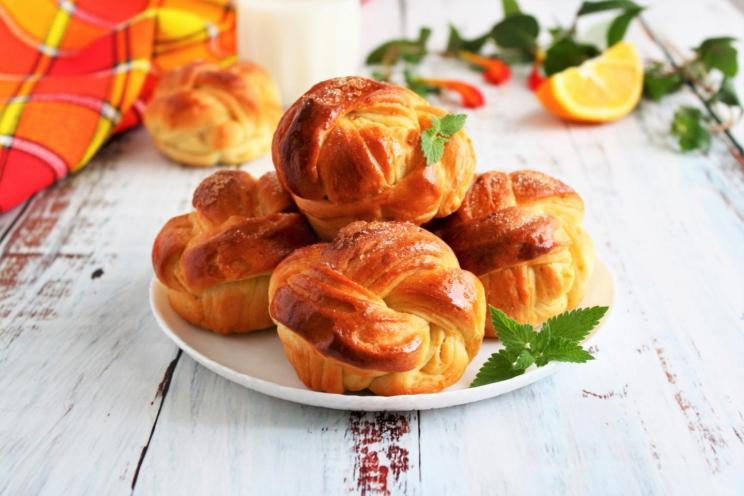
Sugar-Crusted Puff Pastry Buns

Nutrition Facts (per serving)

310
Calories
11g
Fat
41g
Carbs
7g
Protein

Ingredients (8 portions)

For the dough:

Water 65 ml
Dry yeast 4 g
Honey 2 tsp
Wheat flour 50 g

For dough:

Eggs 0.5 pc
Sugar 35 g
Salt 0.25 tsp
Butter 50 g
Vanilla sugar 5 g
Milk 65 ml
Orange zest 1 tbsp
Wheat flour 225 g

For sandwiching:

Butter 25 g
Sugar 20 g

For the top:

Eggs 0.5 pc
Milk 1 tbsp

Recipe instructions

Step 1
Step 1
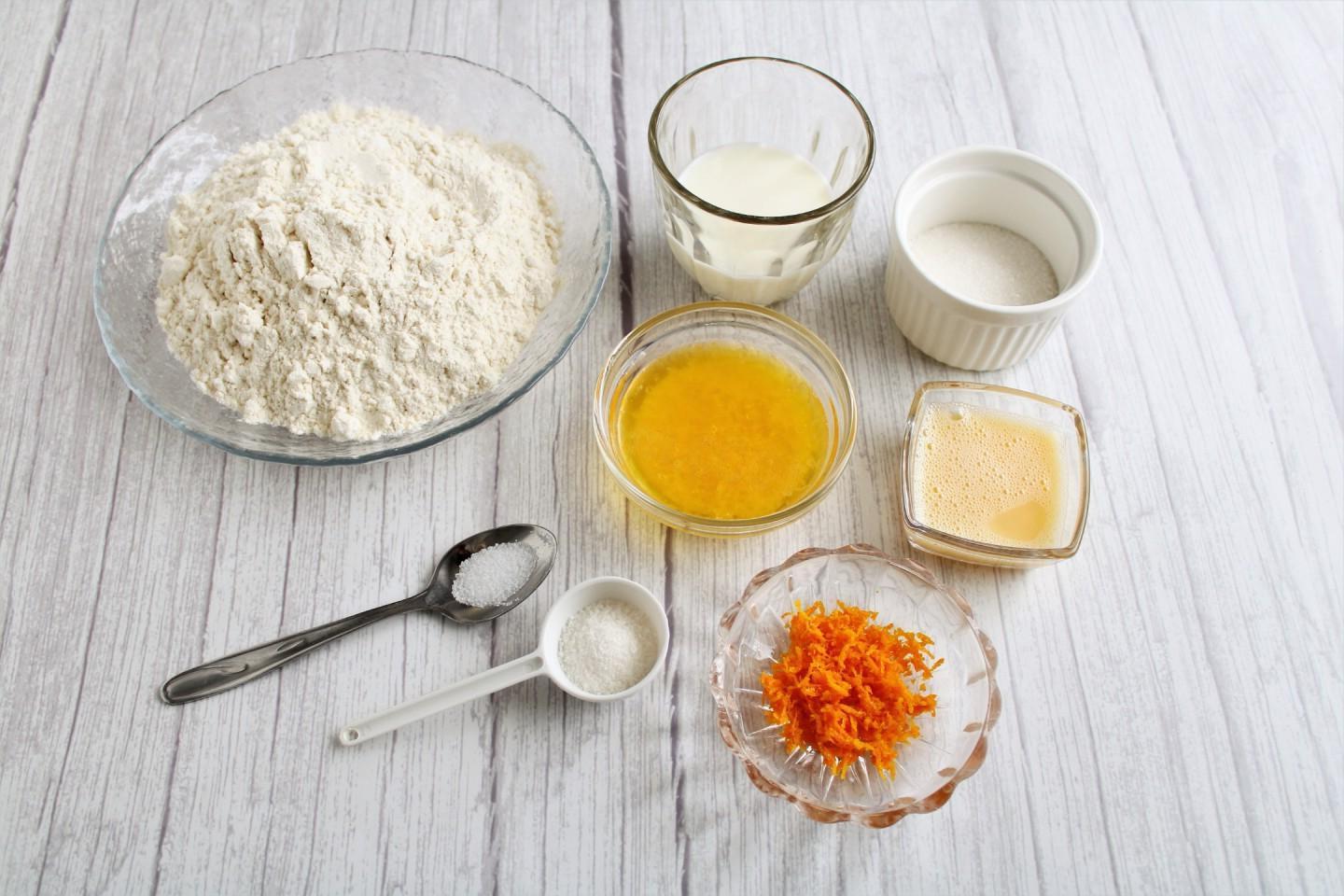
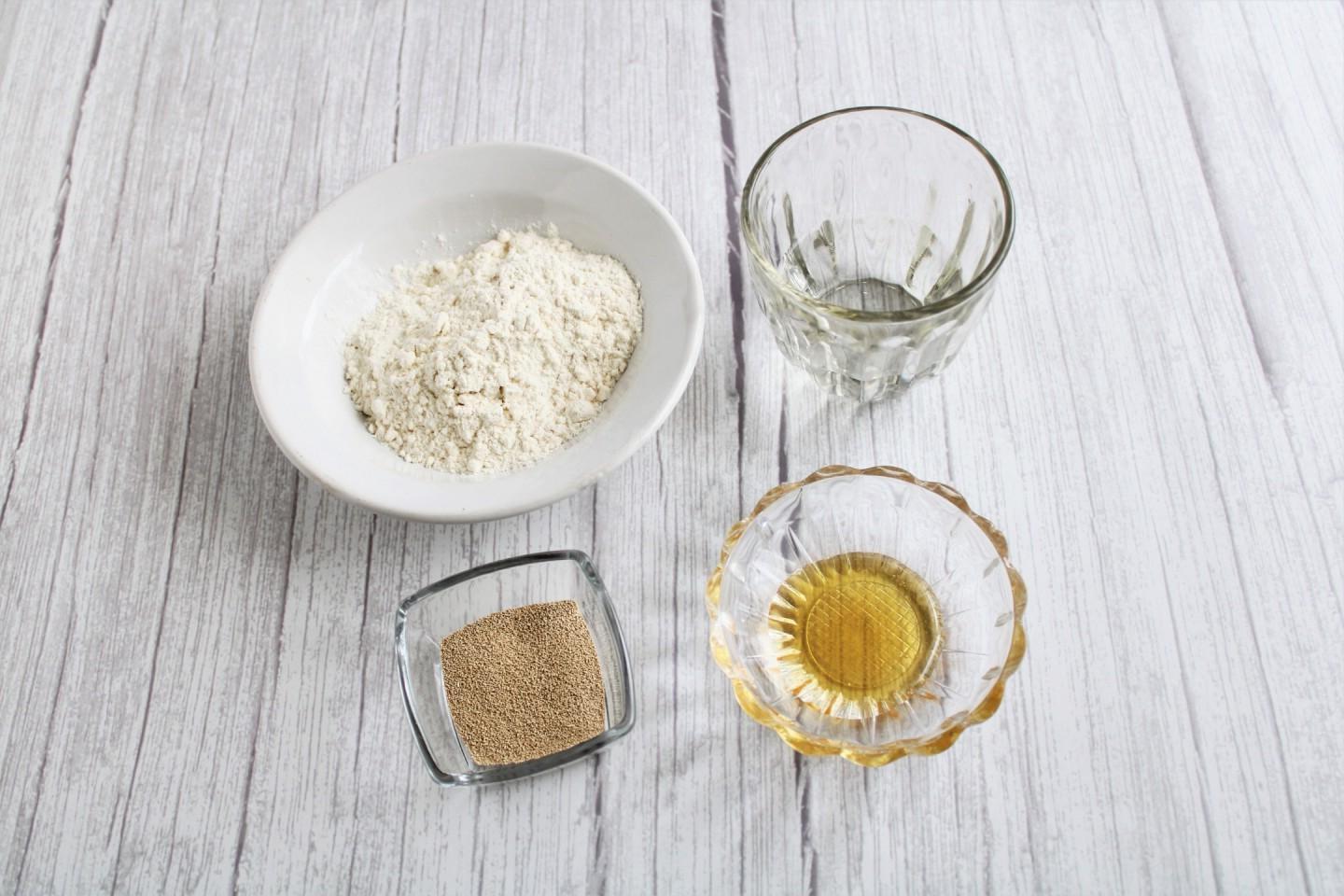
How to make buns from puff pastry dough? Measure out the necessary ingredients to prepare the dough. Take the highest grade flour. If the honey is thick, melt it in a water bath. Instead of honey, you can take an equal amount of sugar. Heat the water slightly.

Step 2

Step 2
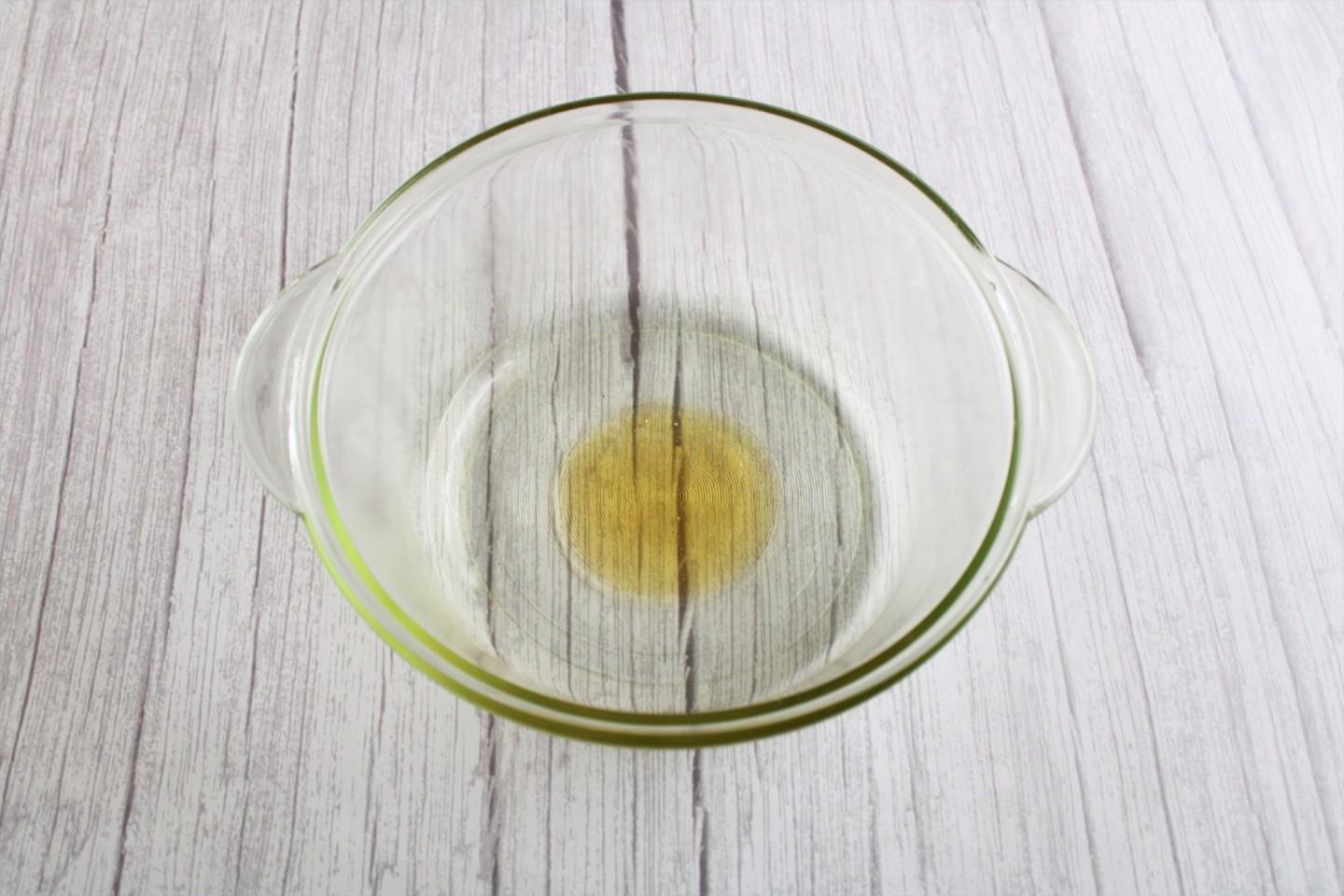
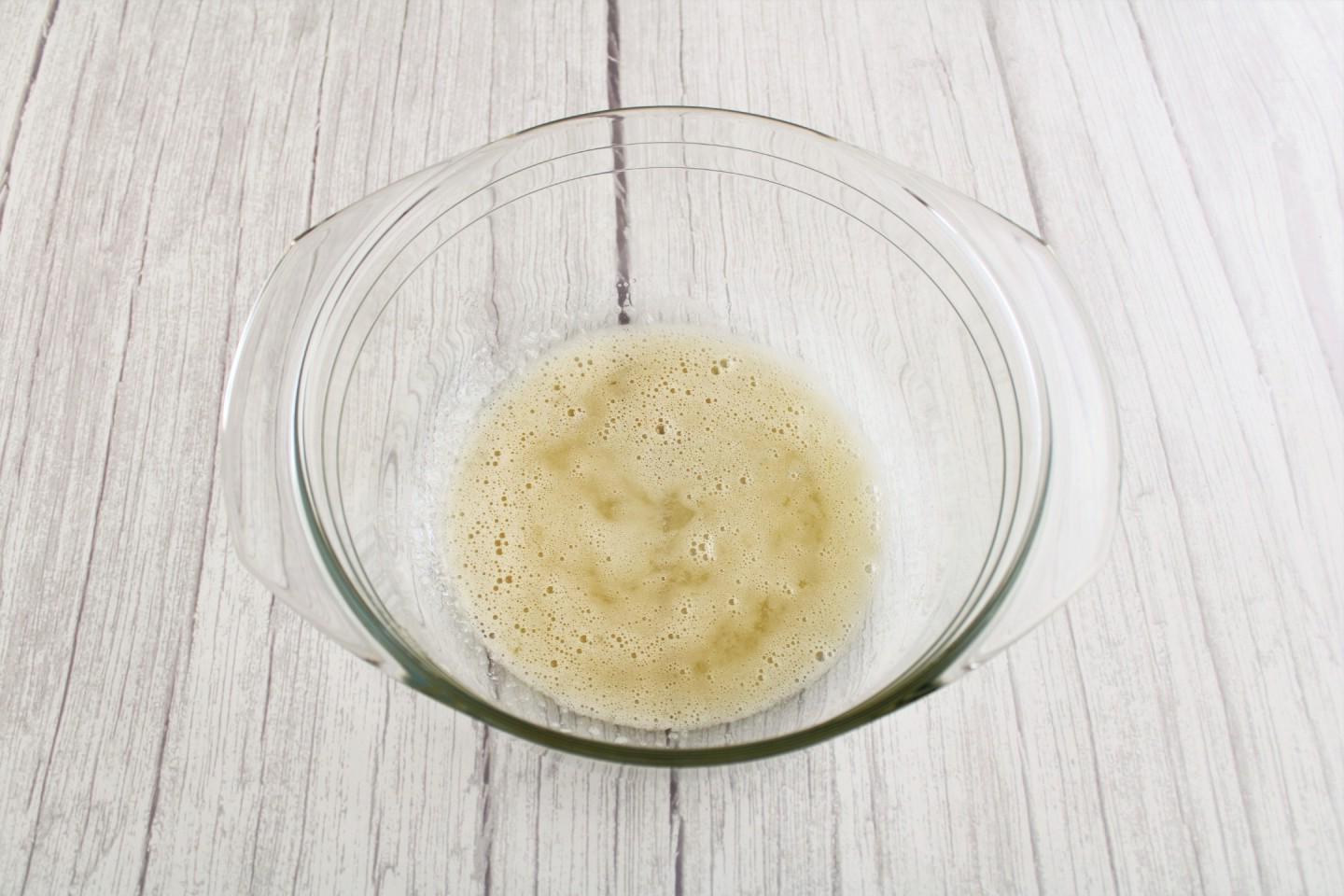
Dissolve honey in warm water. It will make the dough more flavorful.

Step 3

Step 3
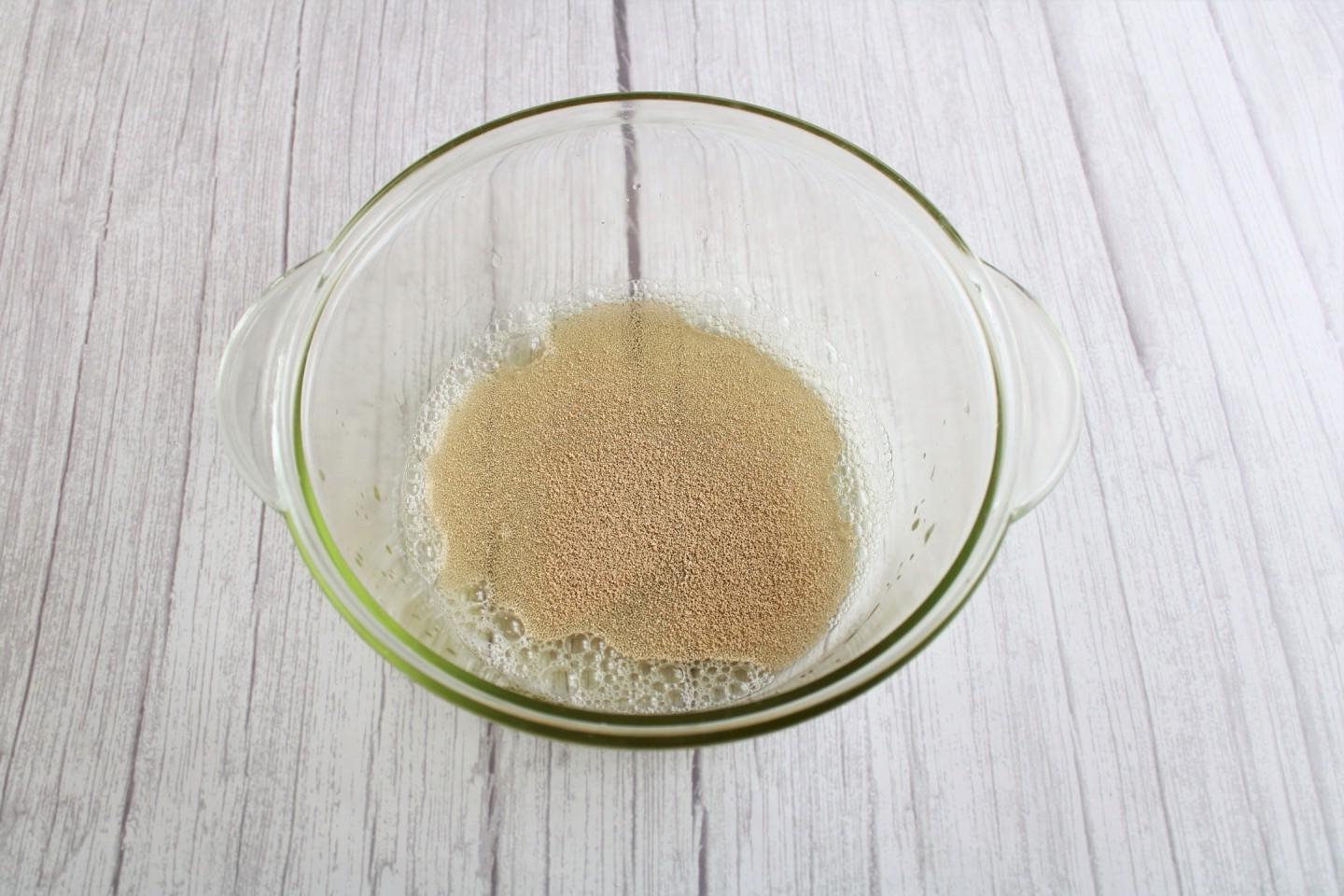
Add yeast and stir.

Step 4

Step 4
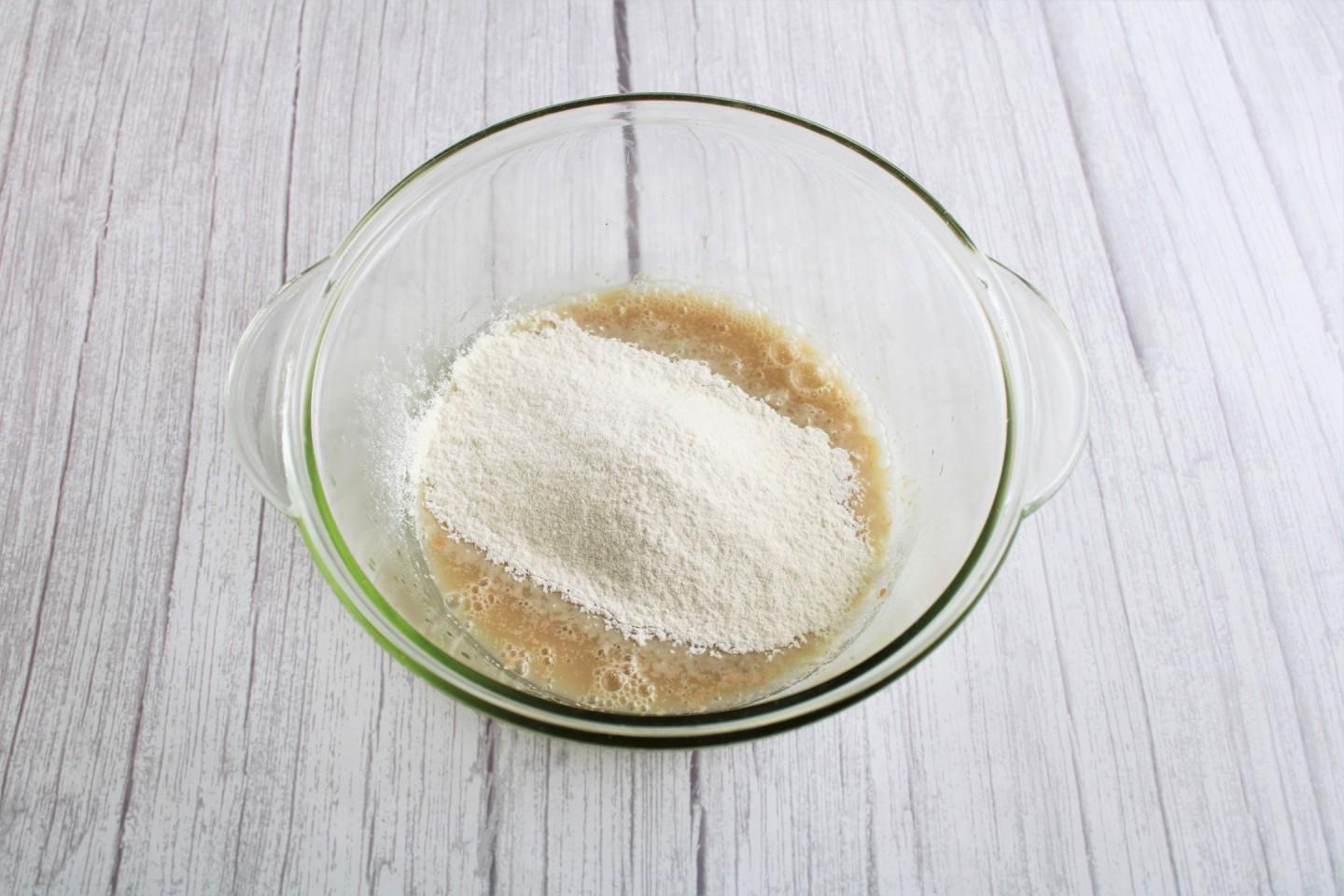
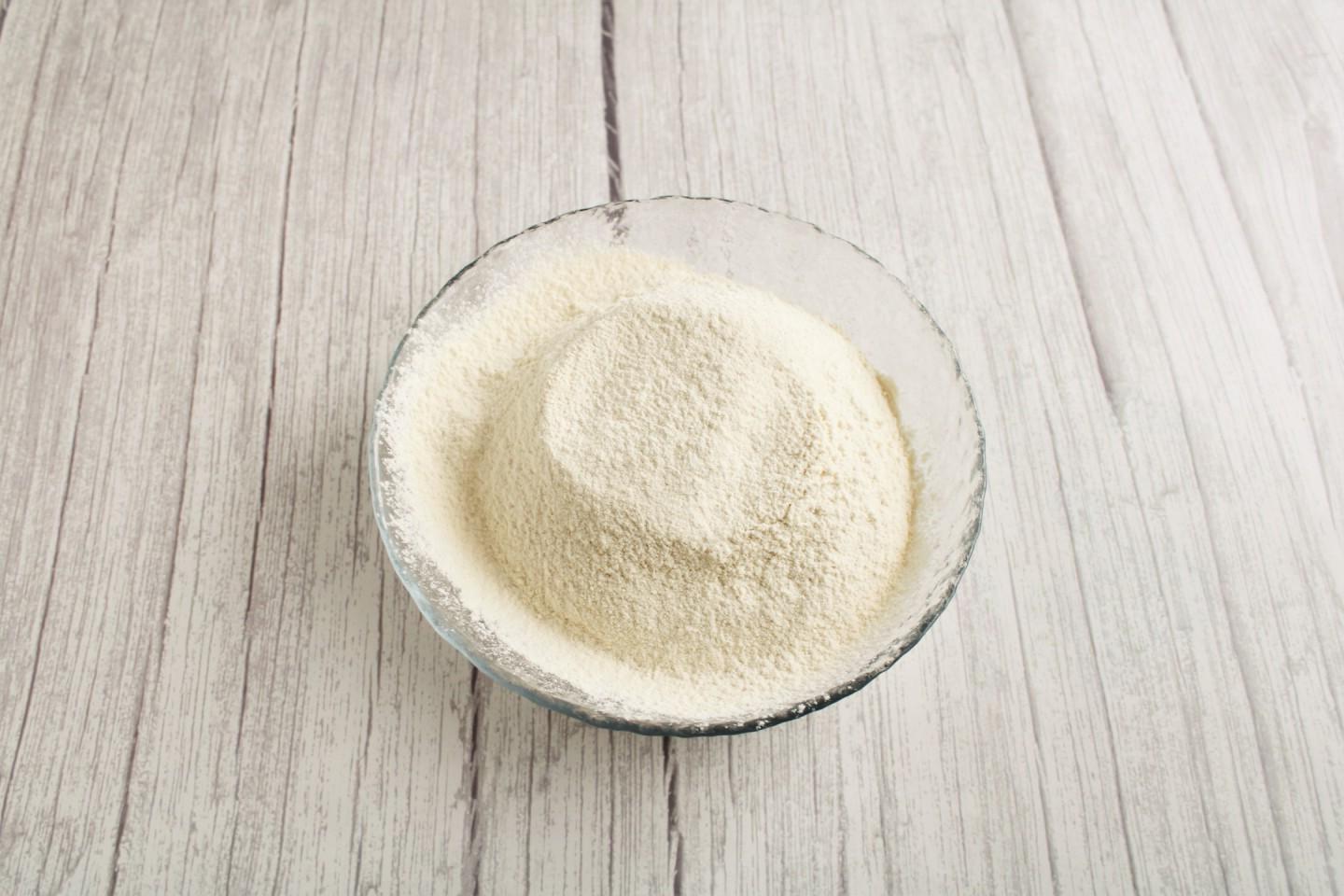
Sift flour into yeast mixture.

Step 5

Step 5
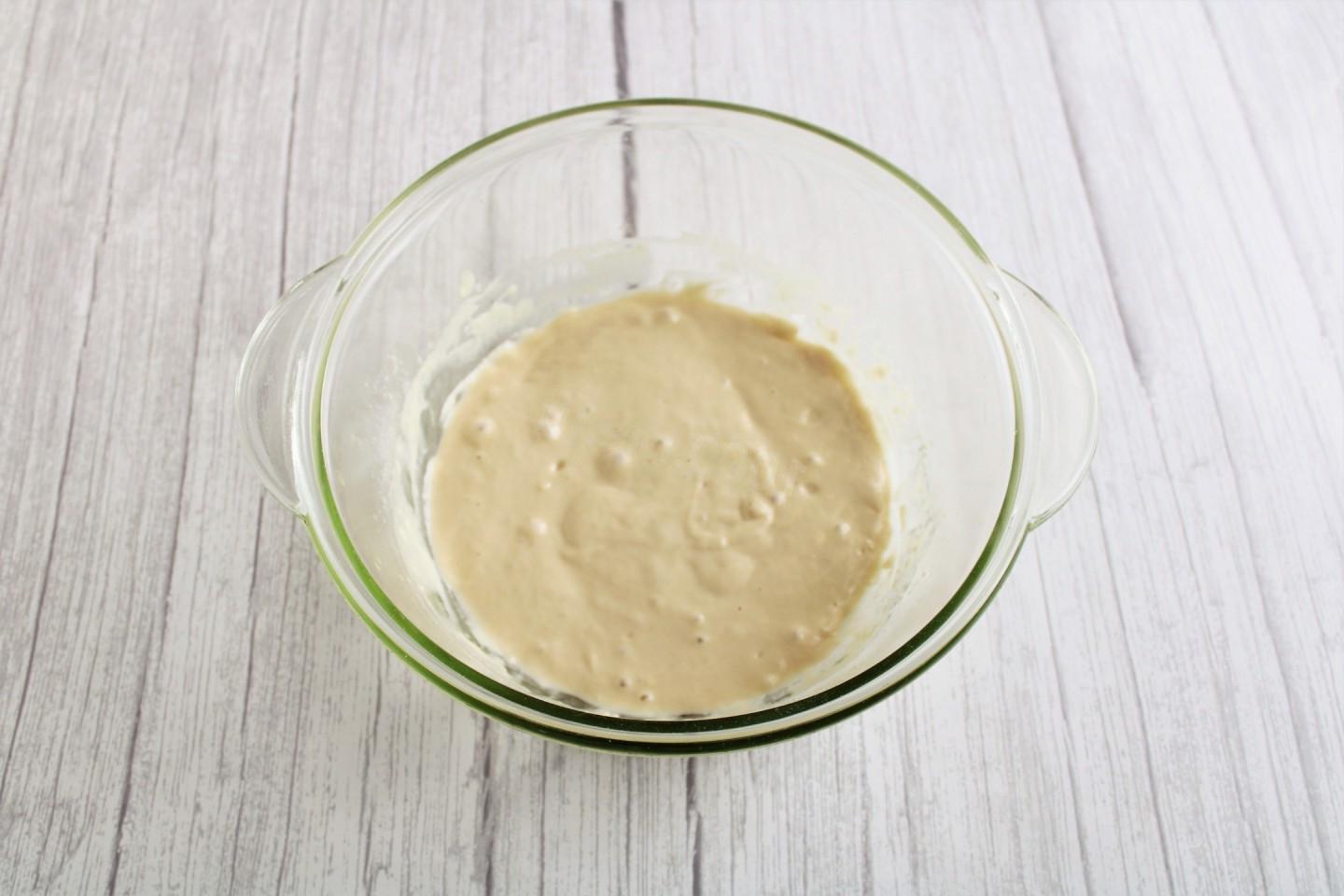
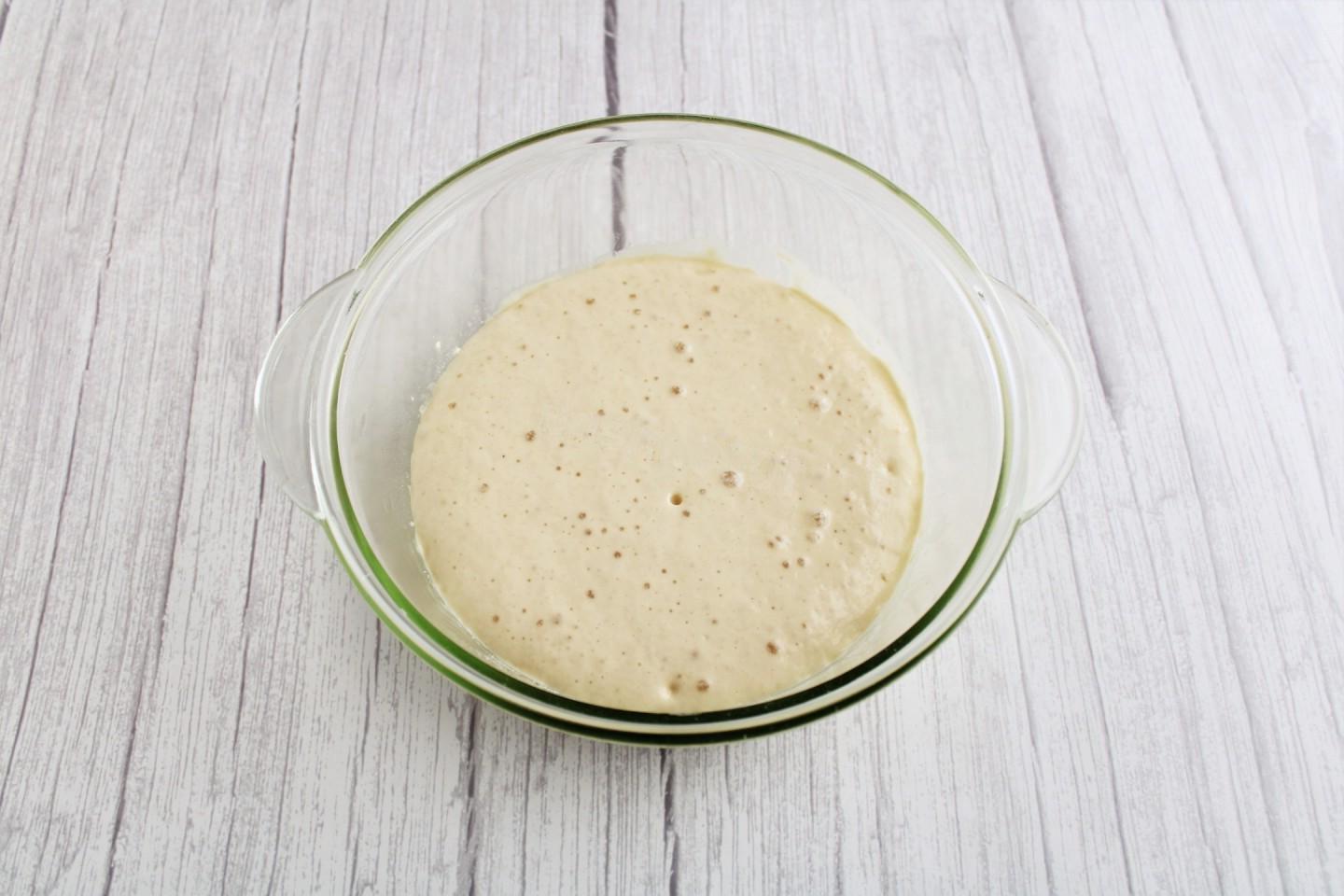
Mix the resulting mass with a whisk until the lumps of flour disappear. Place the dough in a warm place to rise for 0.5 hours.

Step 6

Step 6
Prepare the ingredients for kneading the dough. Melt the butter over low heat. Warm the milk slightly.

Step 7

Step 7
Sift the flour. Why is this necessary? During sifting, the flour is saturated with oxygen, thanks to which the baked goods will turn out airy and will rise well during baking.

Step 8

Step 8
The dough came up, increasing in volume by 2 times.

Step 9

Step 9
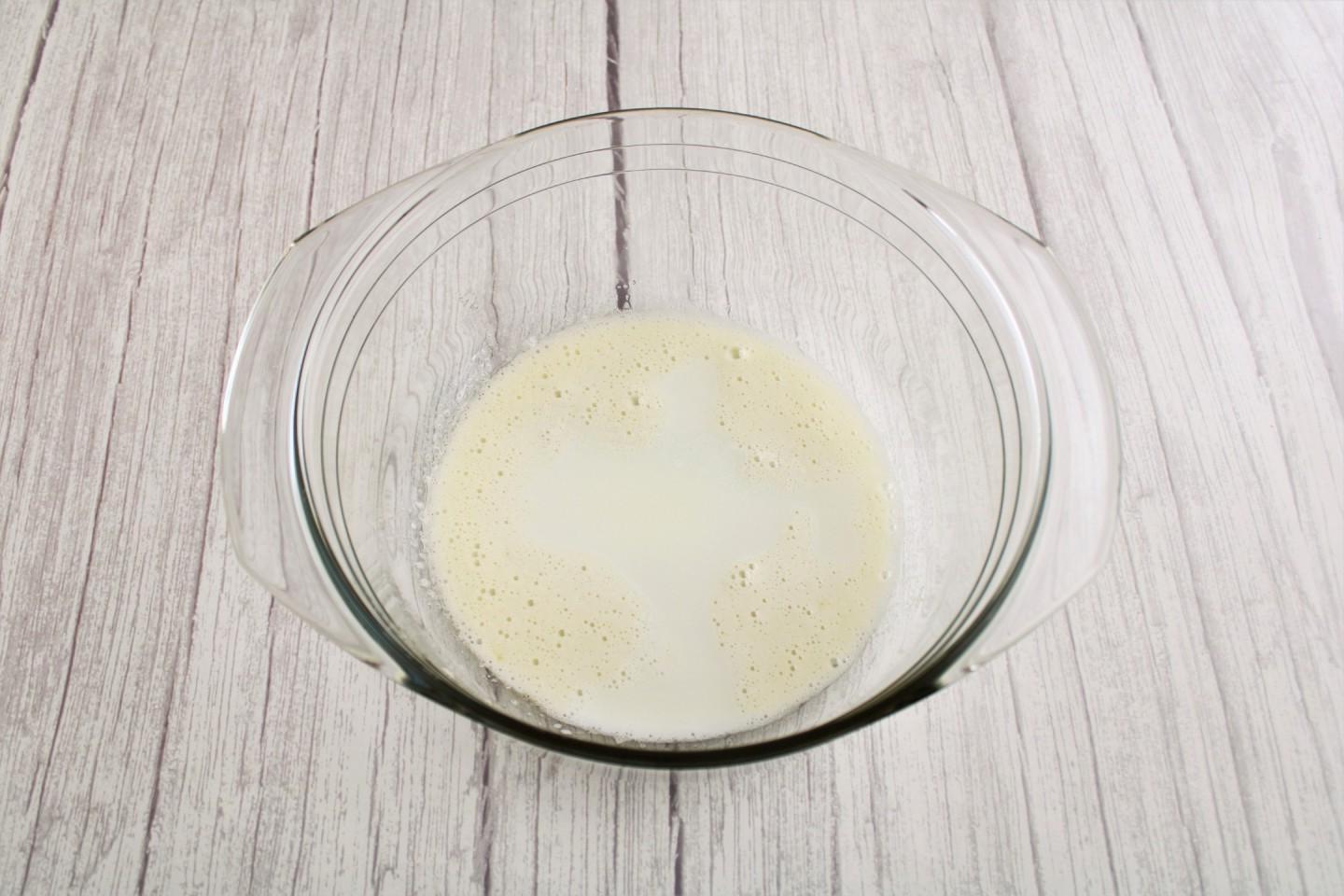
To knead the dough, take a large, tall bowl. Beat the egg with a whisk with salt, sugar and vanilla sugar until smooth.

Step 10

Step 10
Pour in warm milk and stir.

Step 11

Step 11
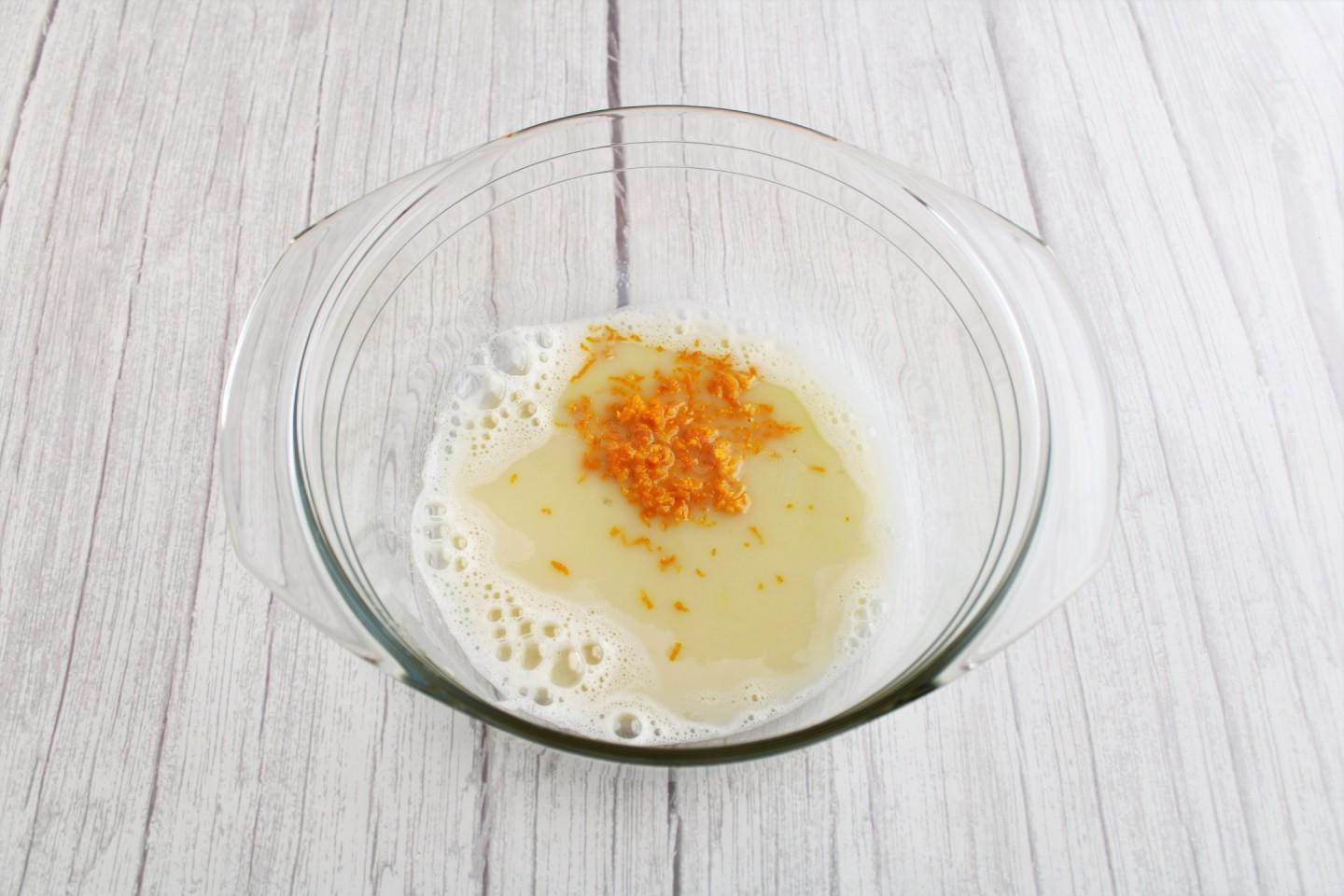
Add orange zest and stir lightly.

Step 12

Step 12
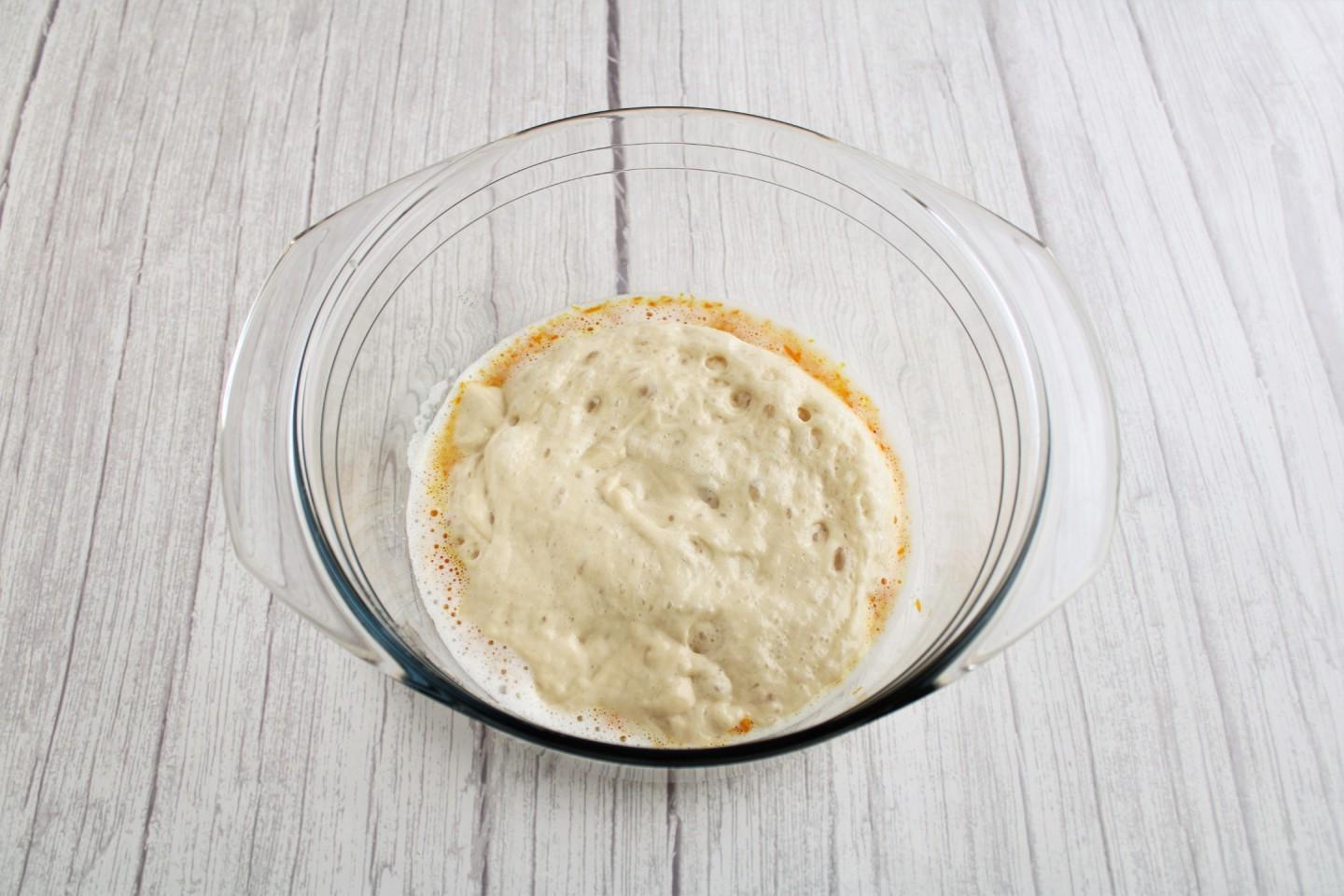
Place the suitable dough into the resulting mass and mix well.

Step 13

Step 13
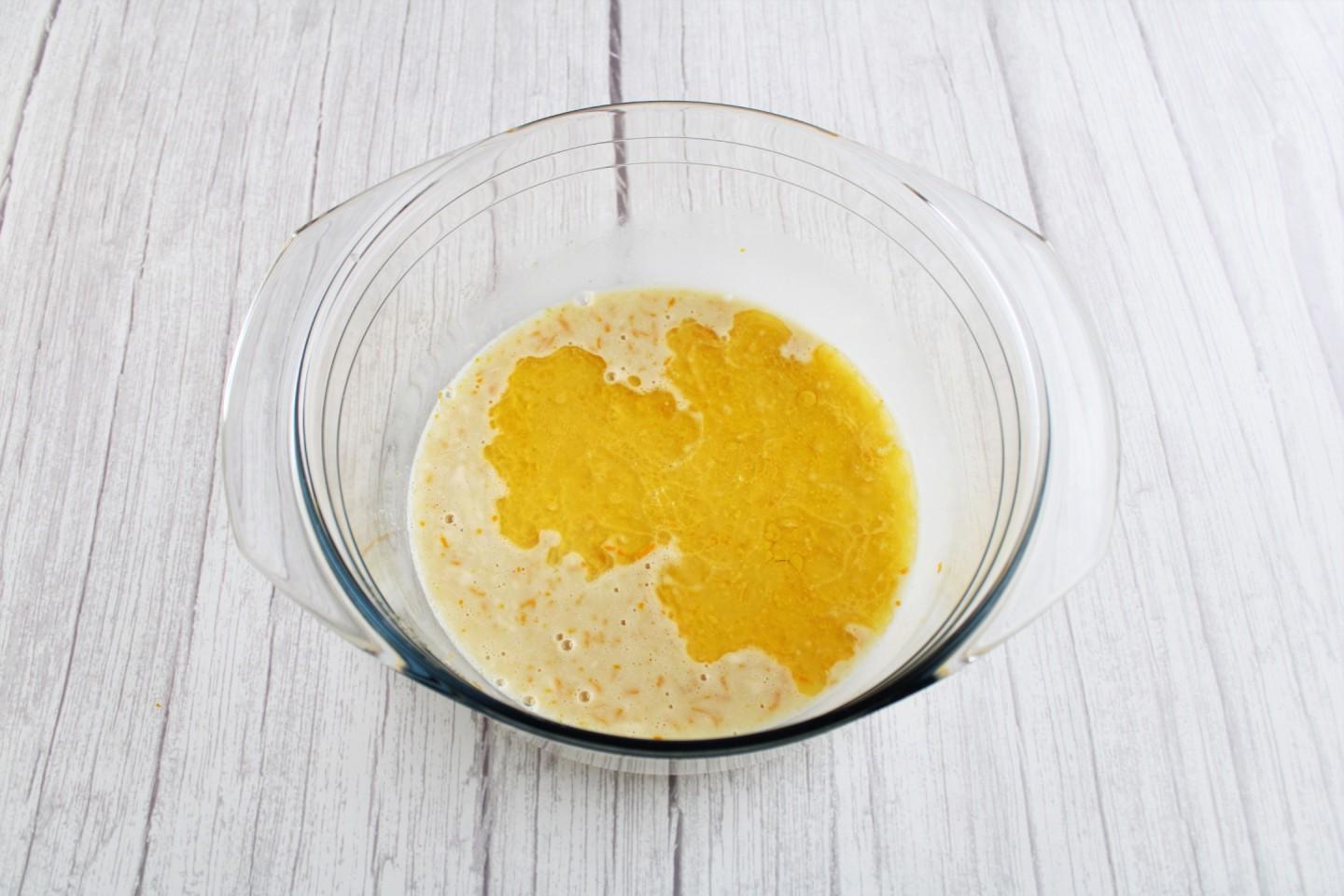
Pour in the non-hot butter and stir.

Step 14

Step 14
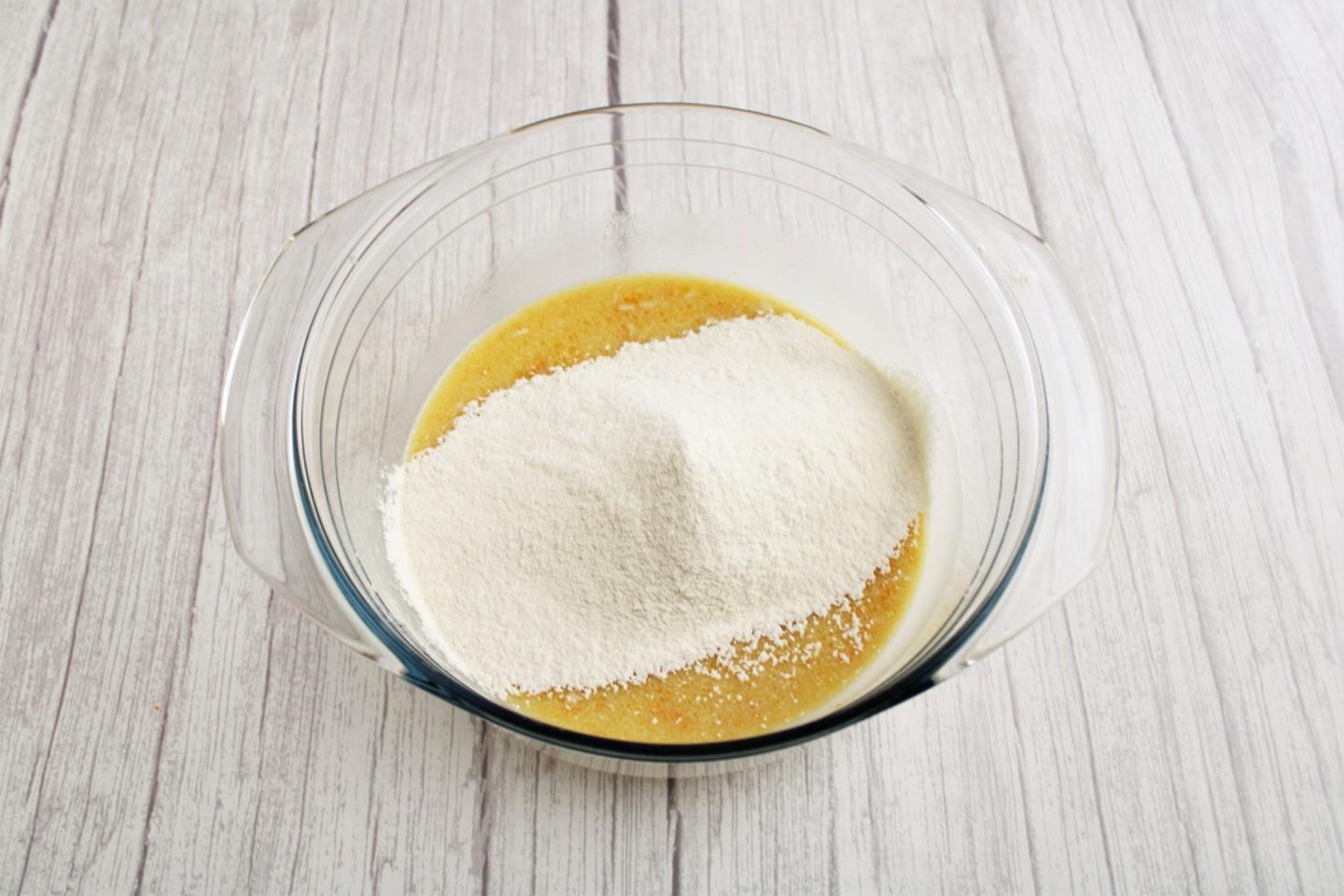
Add a little more than half of the sifted flour, mix the mixture with a spoon. I add flour to the dough through a sieve, thereby sifting it twice.

Step 15

Step 15
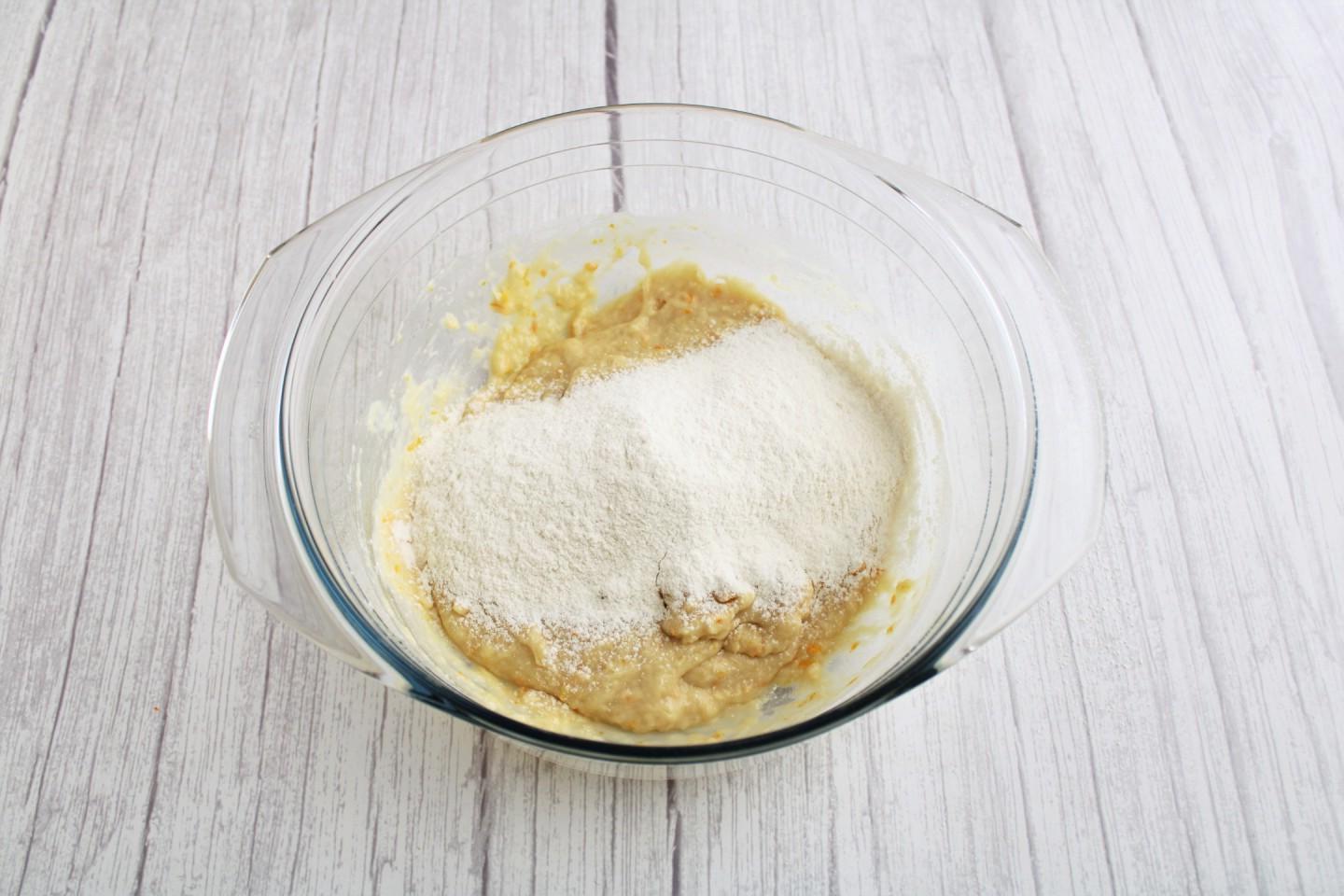
Add the rest of the flour in parts, while mixing the dough.

Step 16

Step 16
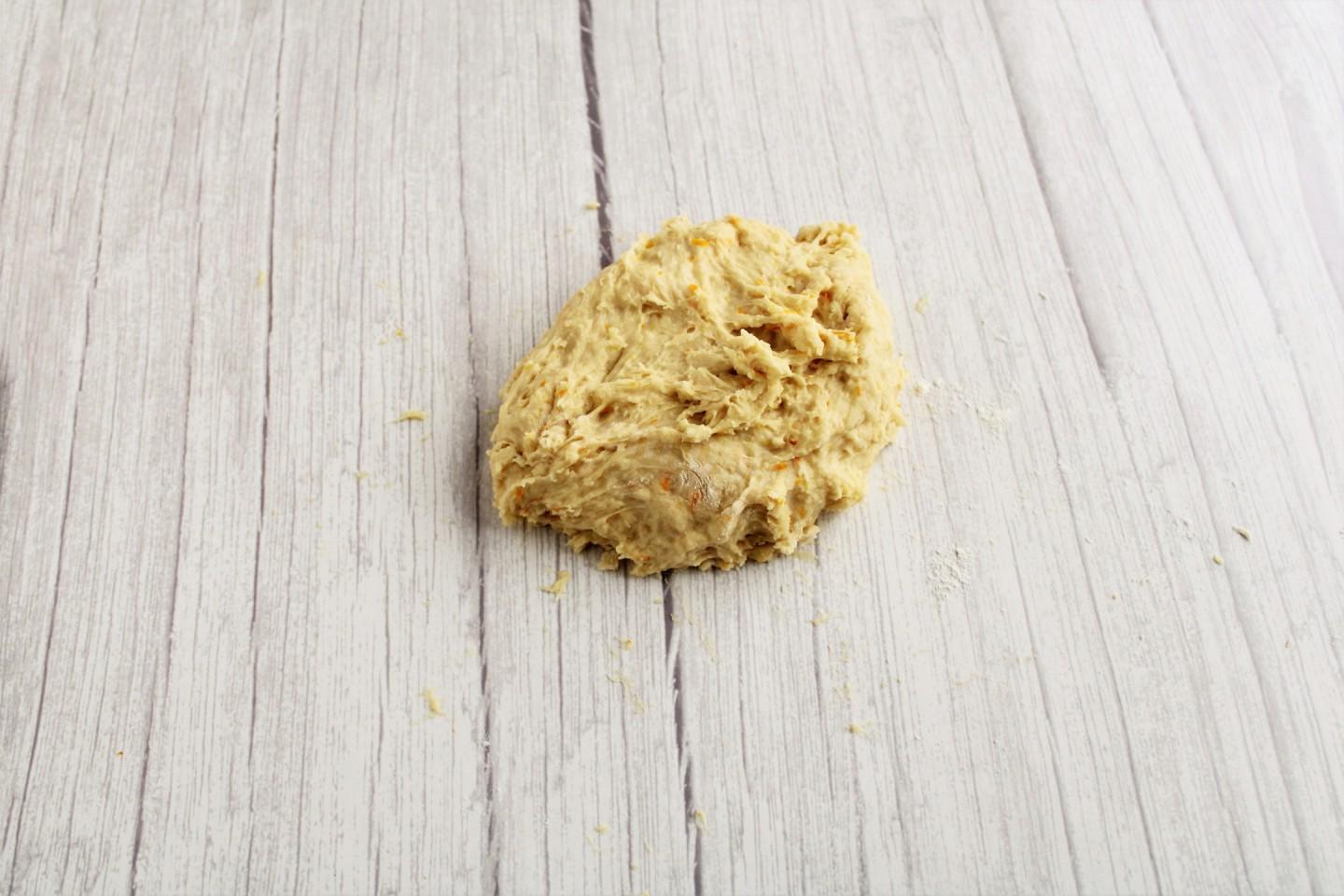
The dough is still quite sticky and viscous. Important point! I strongly advise you not to add more flour so that the dough does not turn out tight. Place the dough on the table and start kneading it. The dough will noticeably stick to your hands and the table. In this case, you can help yourself with a spatula. Despite this, continue kneading (without flour!). After just 2-3 minutes the dough will become more homogeneous and less viscous. Knead the dough for about 10 minutes.

Step 17

Step 17
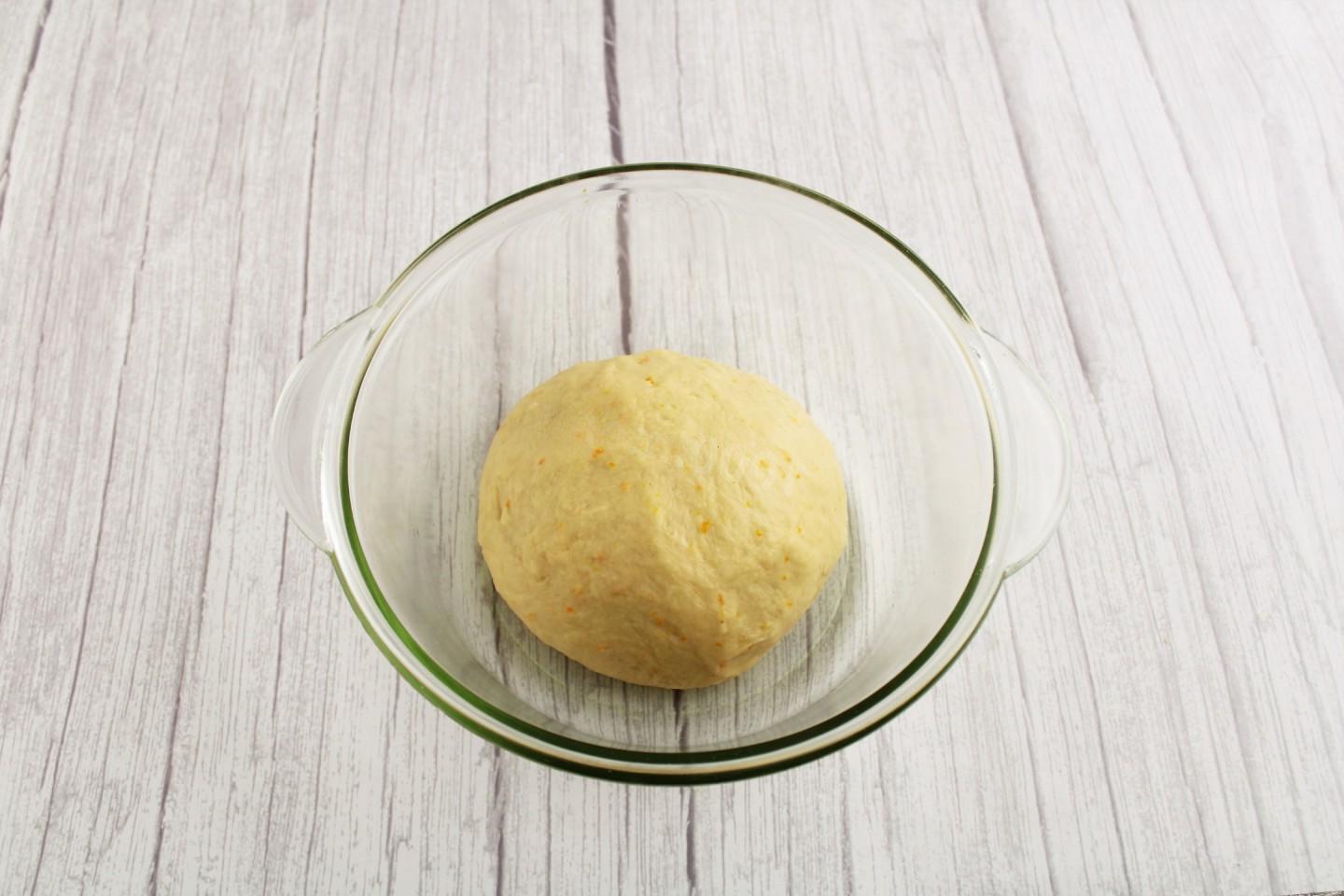
As a result, the dough is soft, pliable, and does not stick to your hands at all. Grease a bowl with a small amount of vegetable oil and place the dough. Cover the bowl with cling film and leave in a warm place for 0.5 hours.

Step 18

Step 18
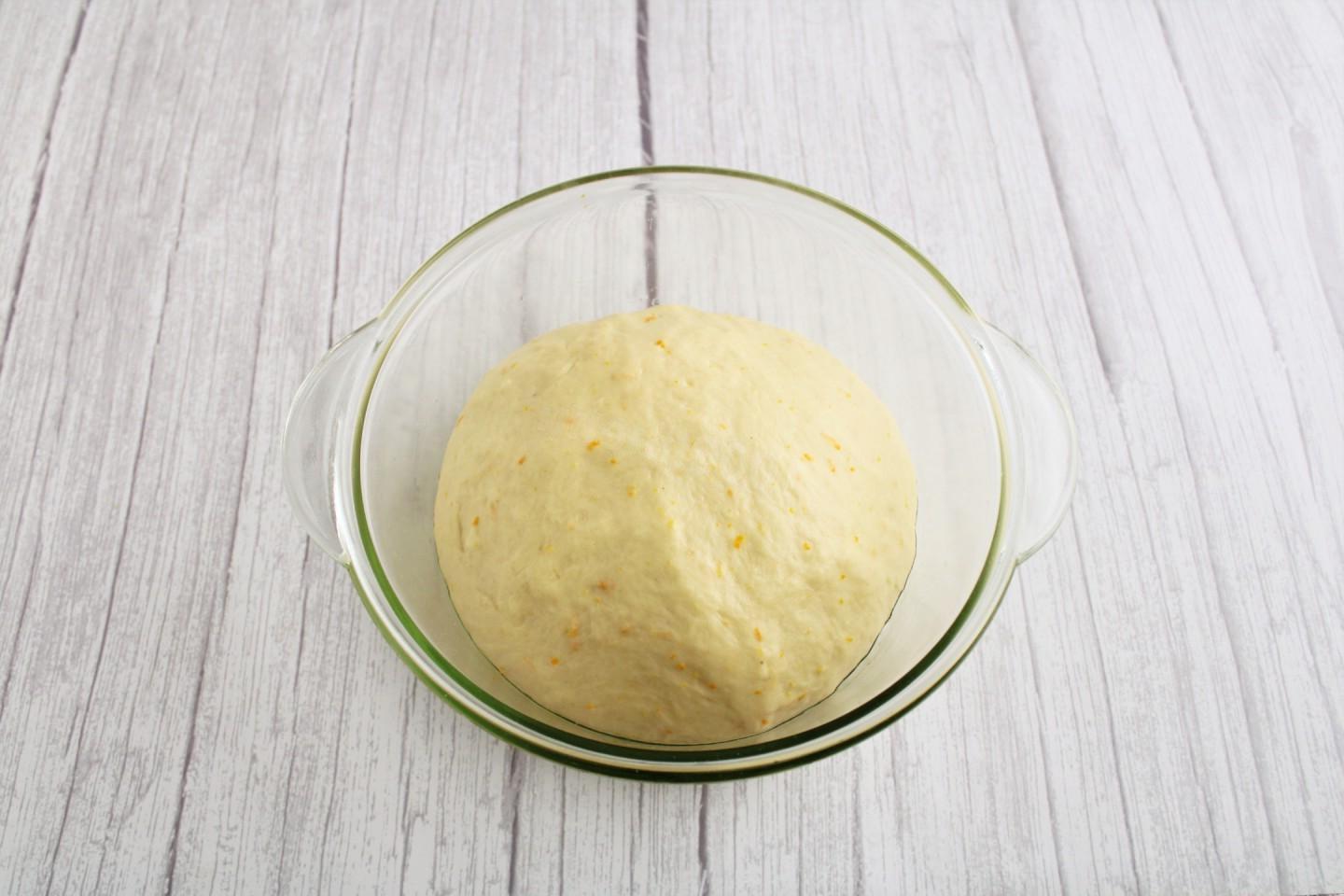
The volume of the dough has approximately doubled.

Step 19

Step 19
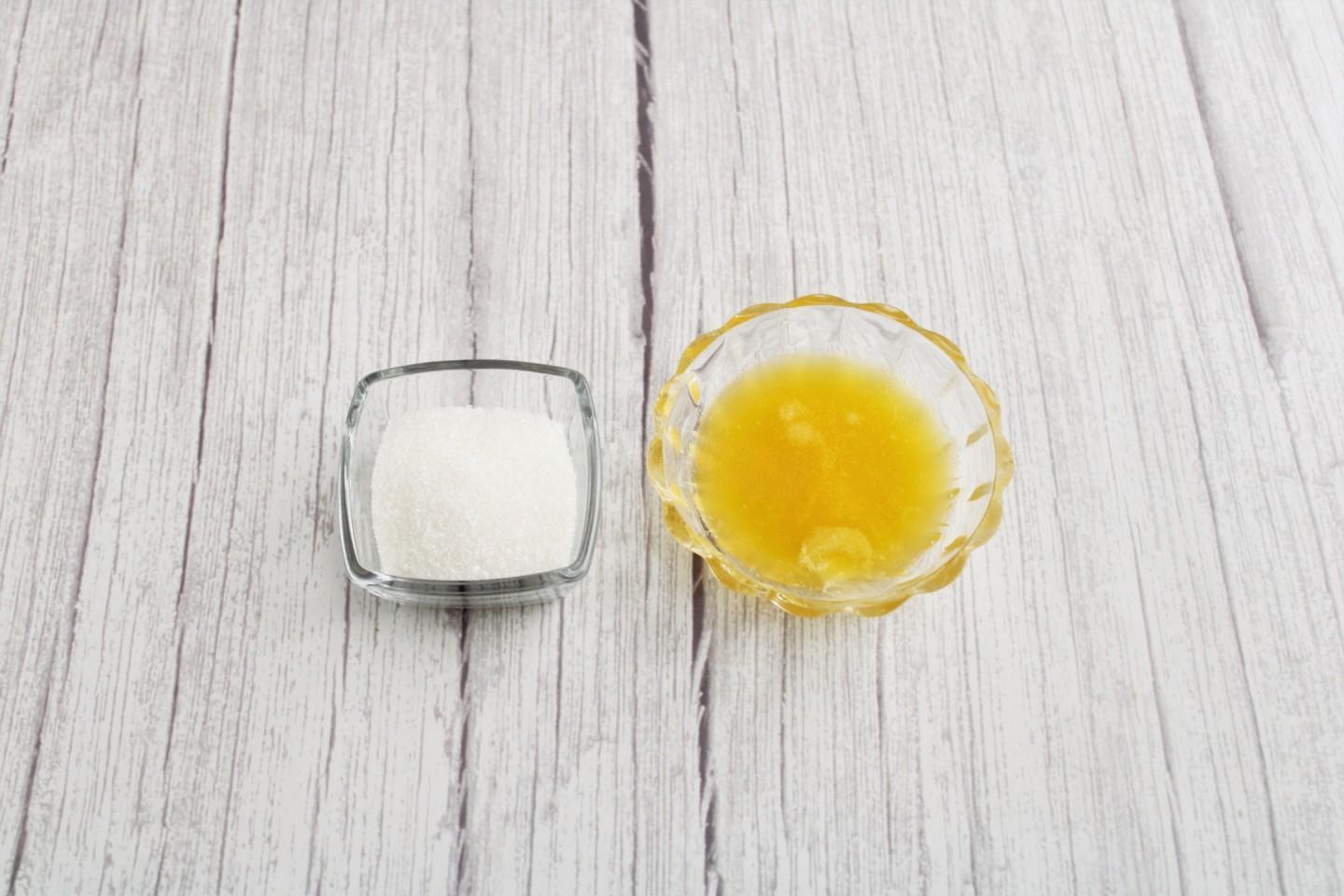
To layer the dough, melt the butter and let cool slightly.

Step 20

Step 20
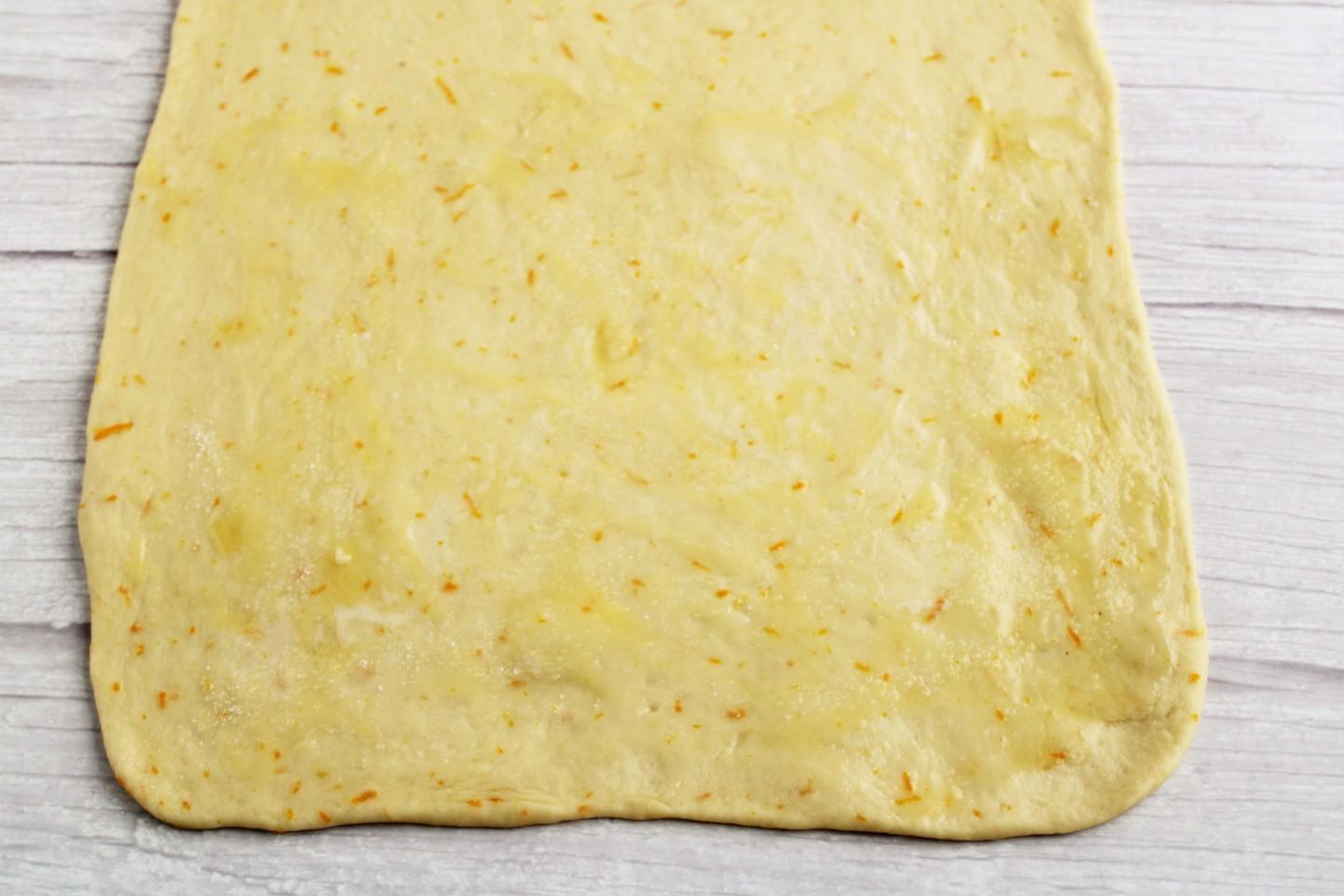
Sprinkle the table well with flour, lay out the dough, and knead it a little. Roll out the dough into a rectangular layer about 5-7 mm thick. Brush half of the rolled out dough with melted butter and sprinkle evenly with sugar.

Step 21

Step 21
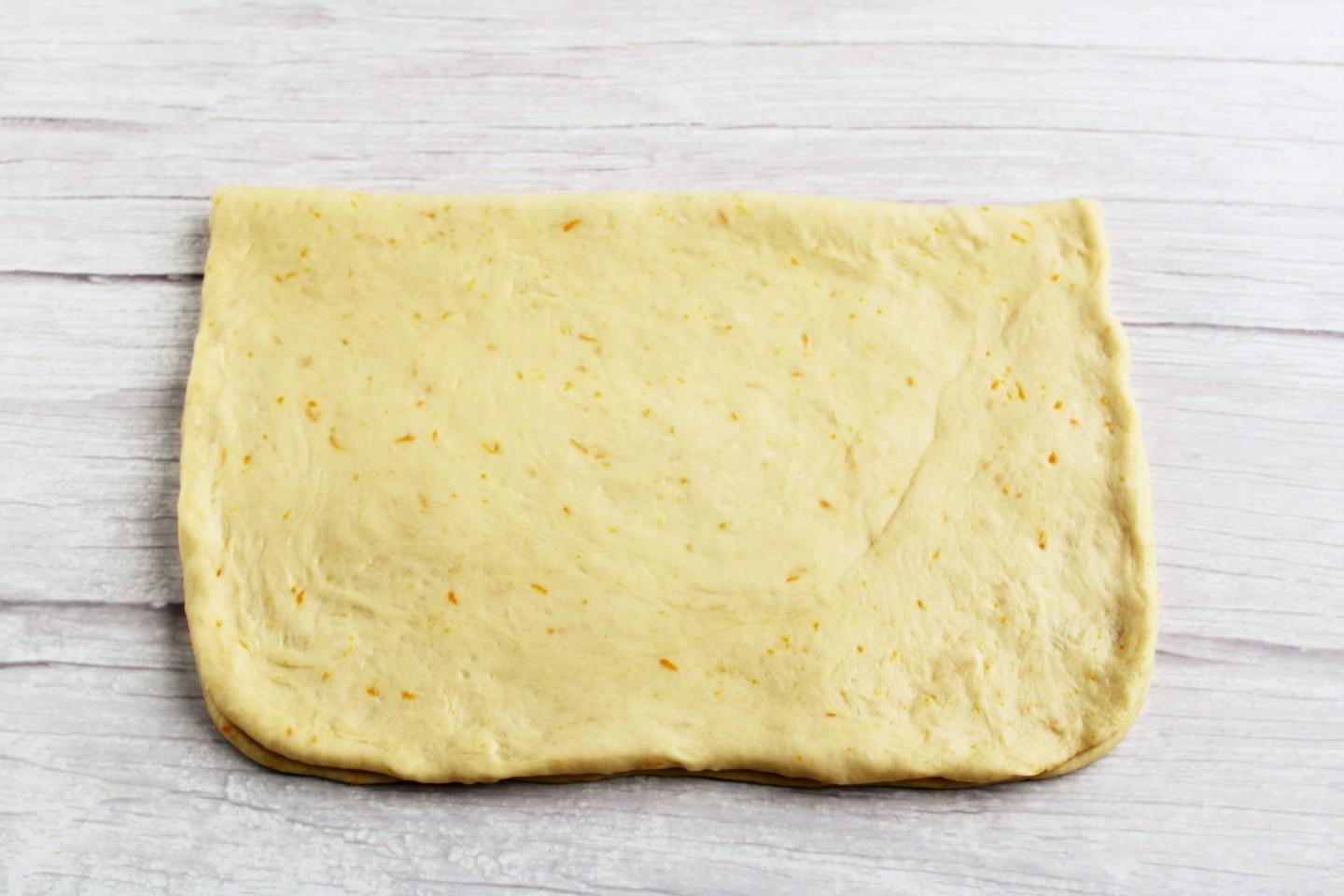
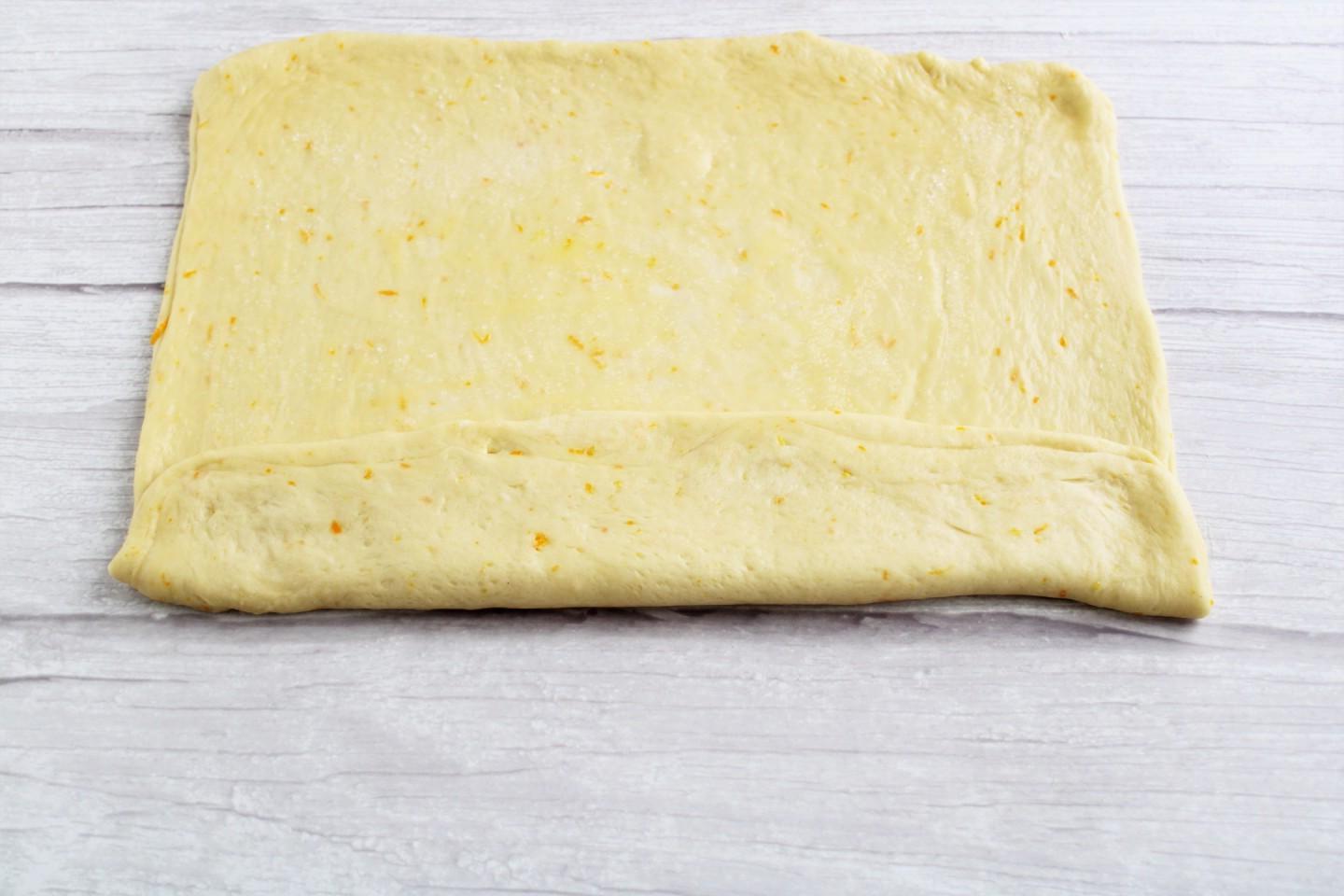
Cover the greased part of the dough with the other half. Even out the edges and, if necessary, gently pull them so that the oil is not visible.

Step 22

Step 22
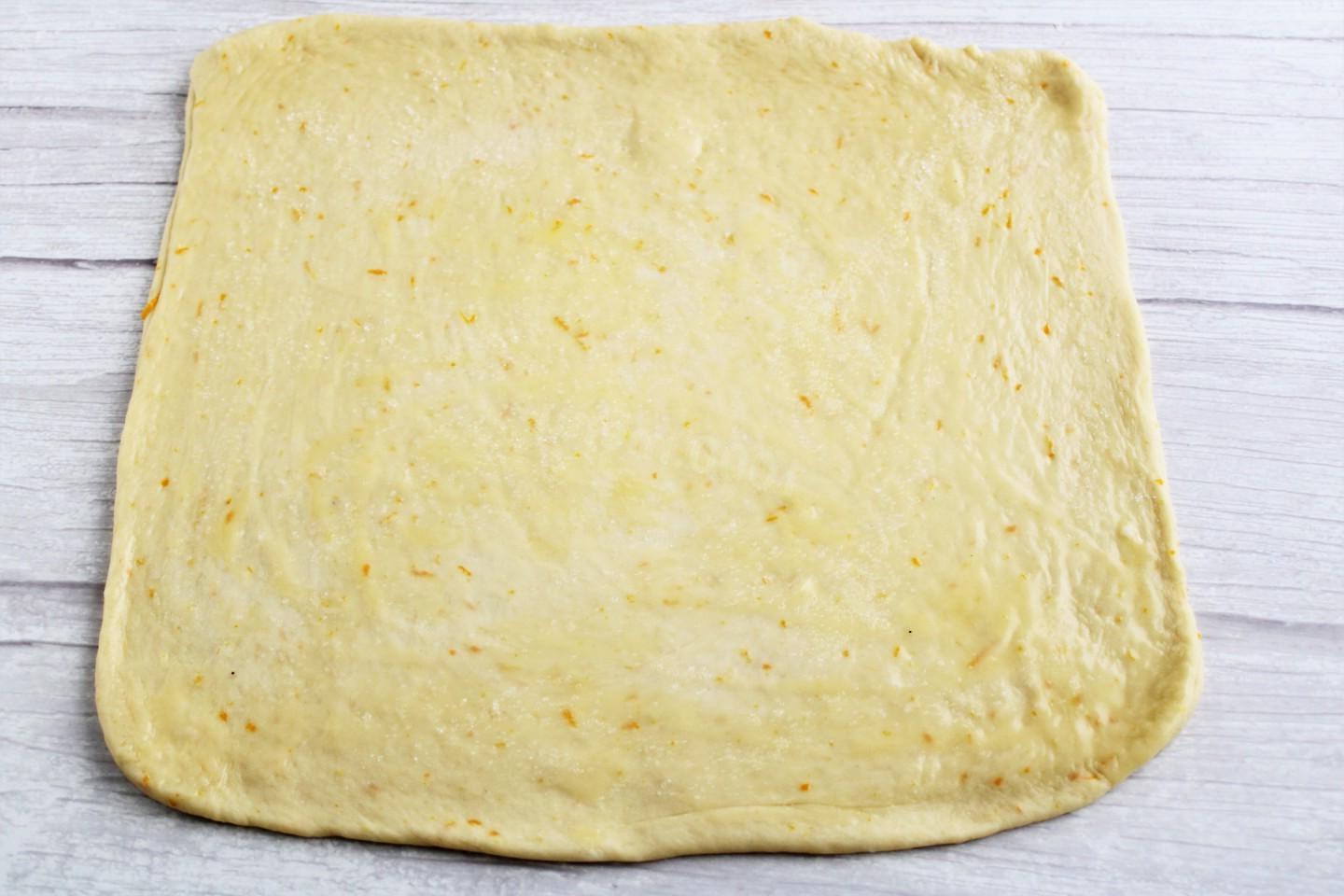
Roll out the dough again using smooth movements into a thin square layer. Grease it with the remaining butter and sprinkle with sugar. Save some sugar for the top of the buns.

Step 23

Step 23
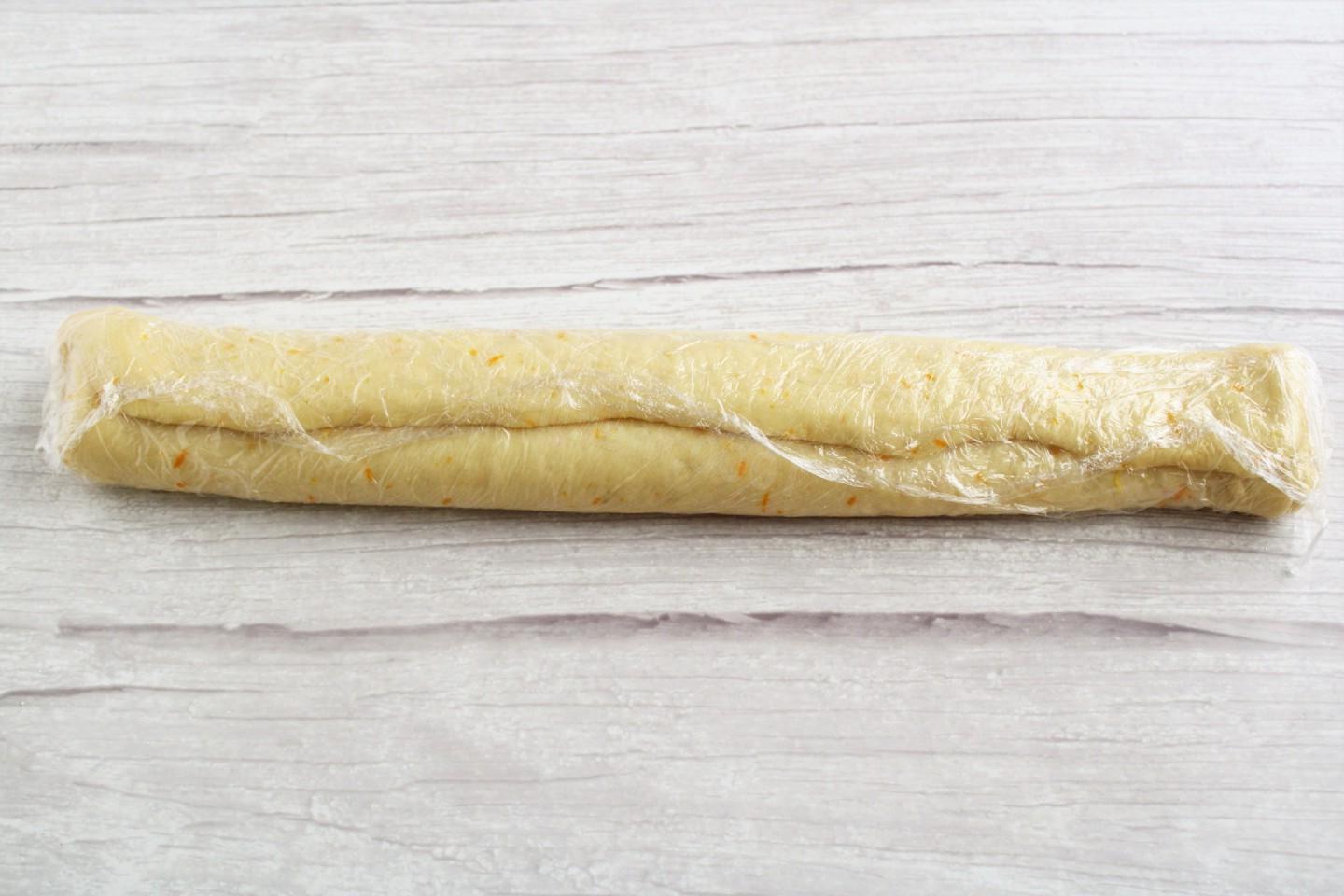
Roll the dough into a log. Gently sweep away excess flour with a brush.

Step 24

Step 24
Wrap the dough in cling film and put it in the freezer for 20-25 minutes. You donʼt need to freeze the dough, just chill it a little to make it easier to work with.

Step 25

Step 25
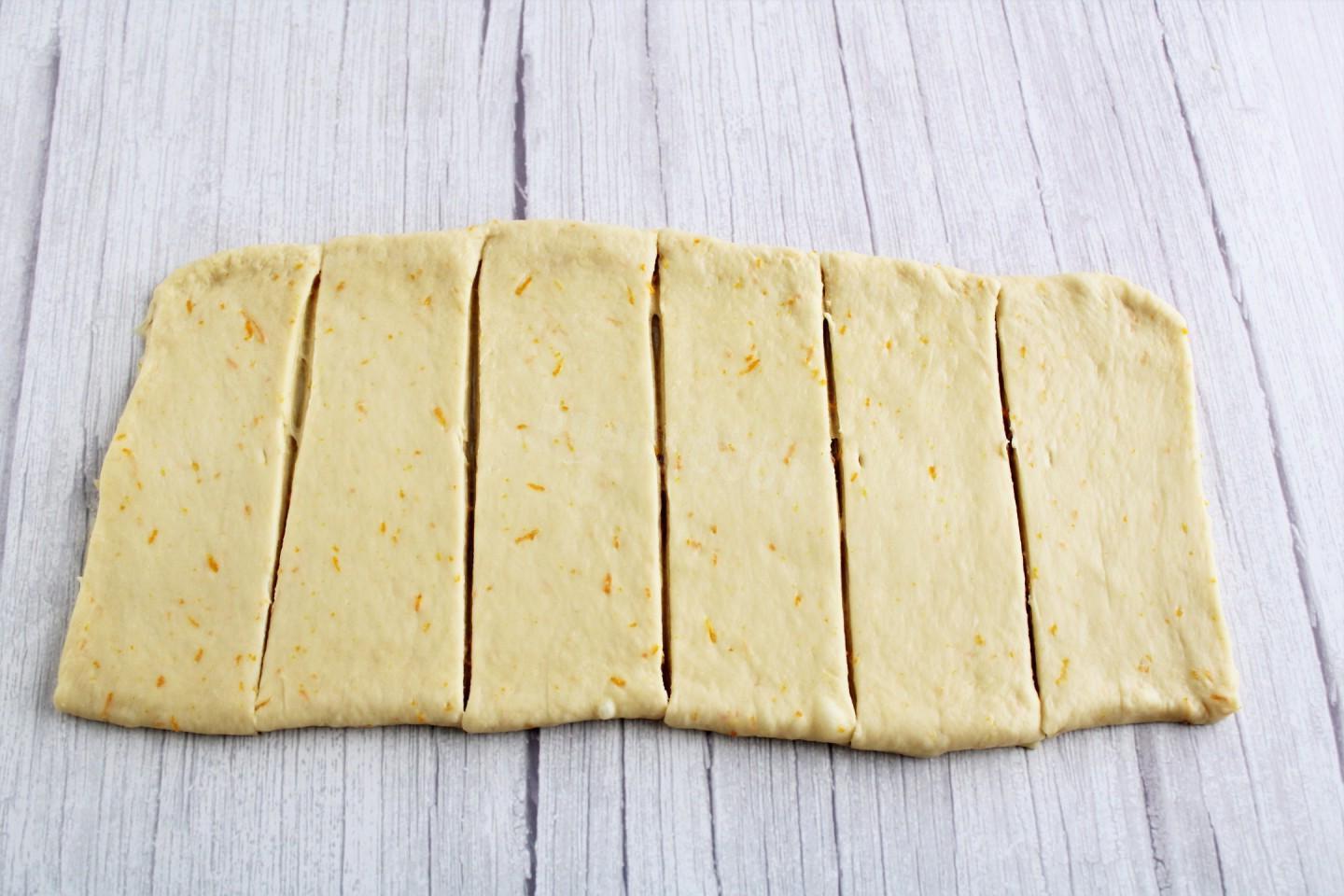
Roll out the chilled dough into a layer no more than 1 cm thick. I got it with an approximate size of 36x11 cm. Cut the dough into 6 equal parts.

Step 26

Step 26
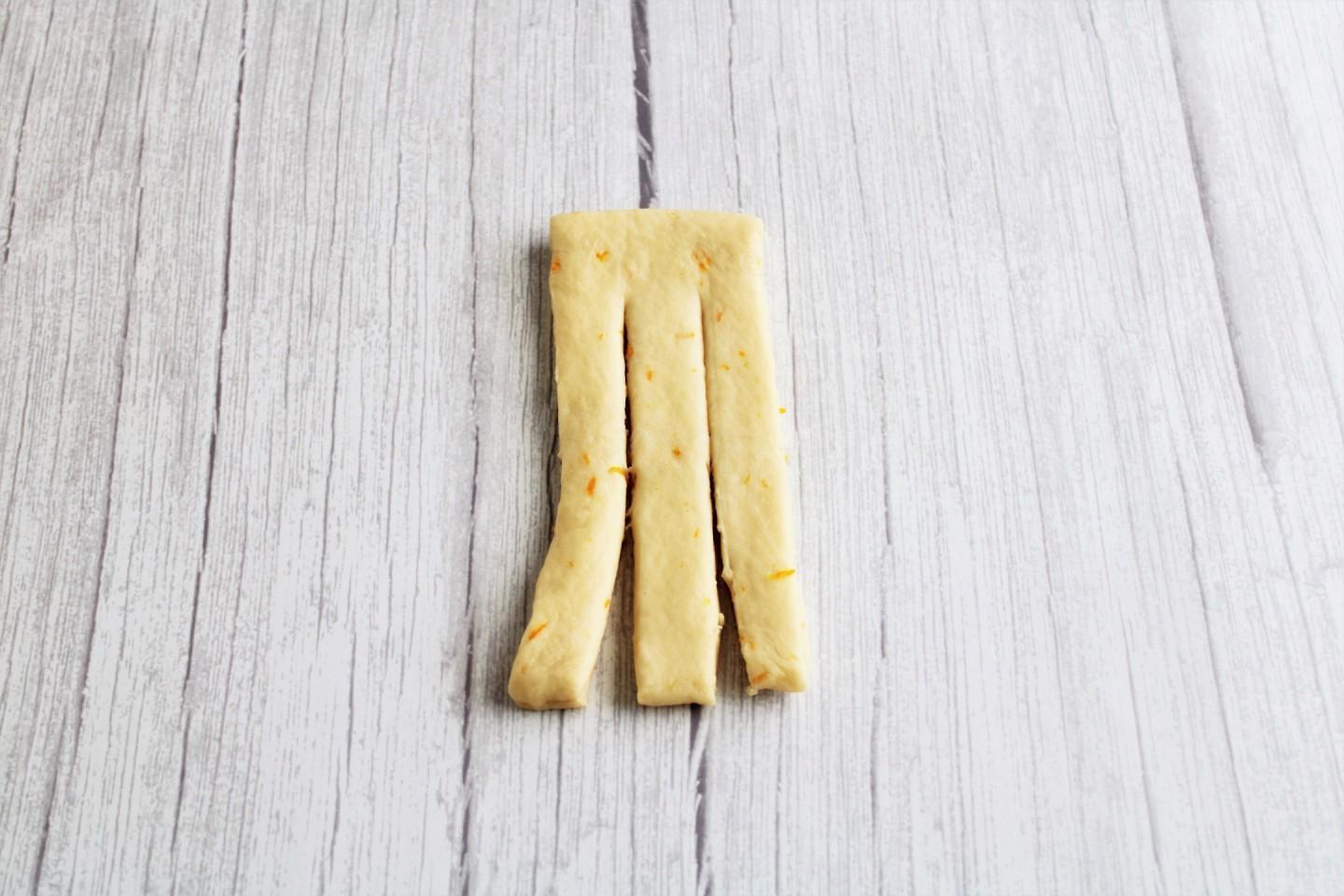
How to form puff pastries? Cut each piece of dough lengthwise into 3 equal pieces, without cutting all the way through.

Step 27

Step 27
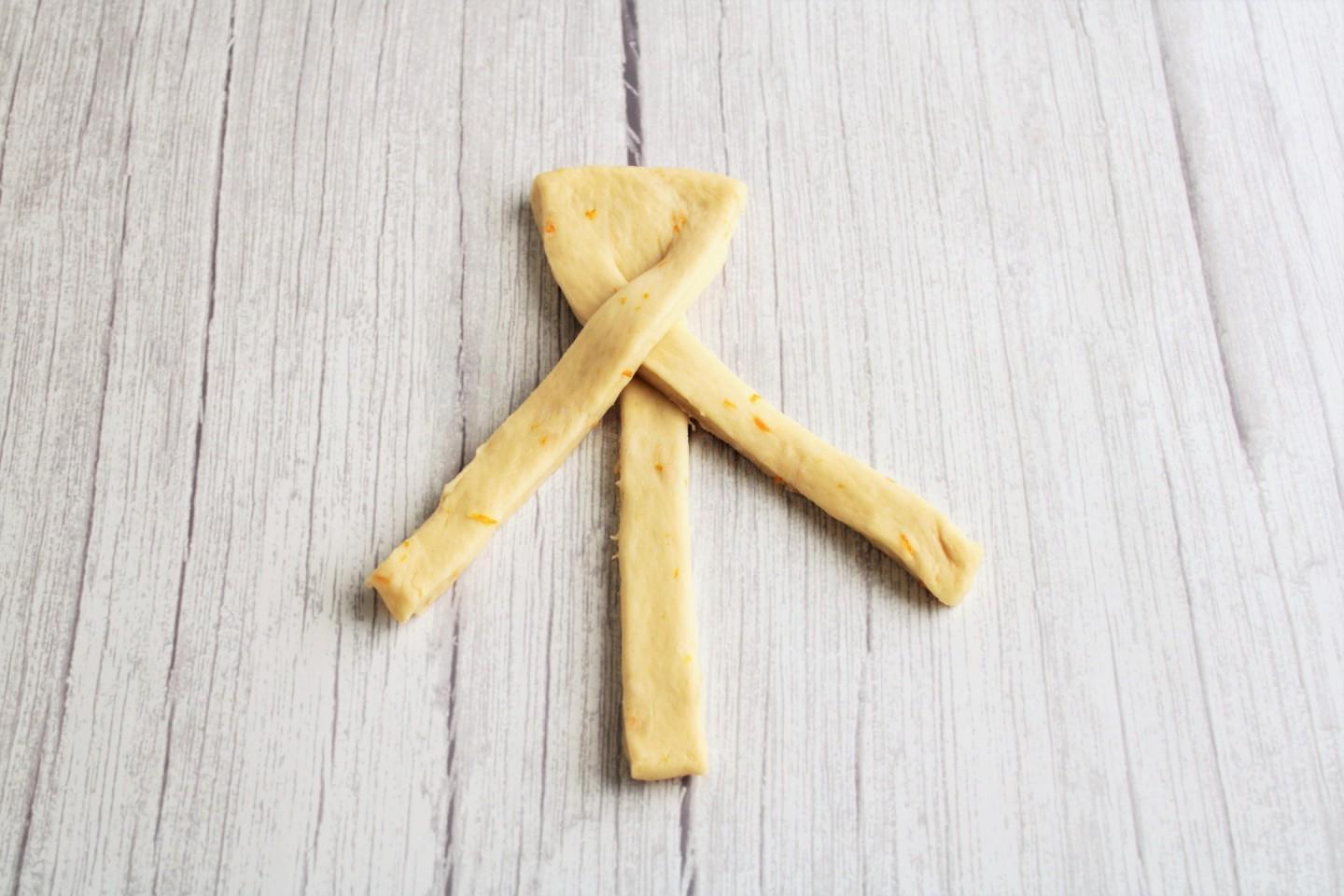
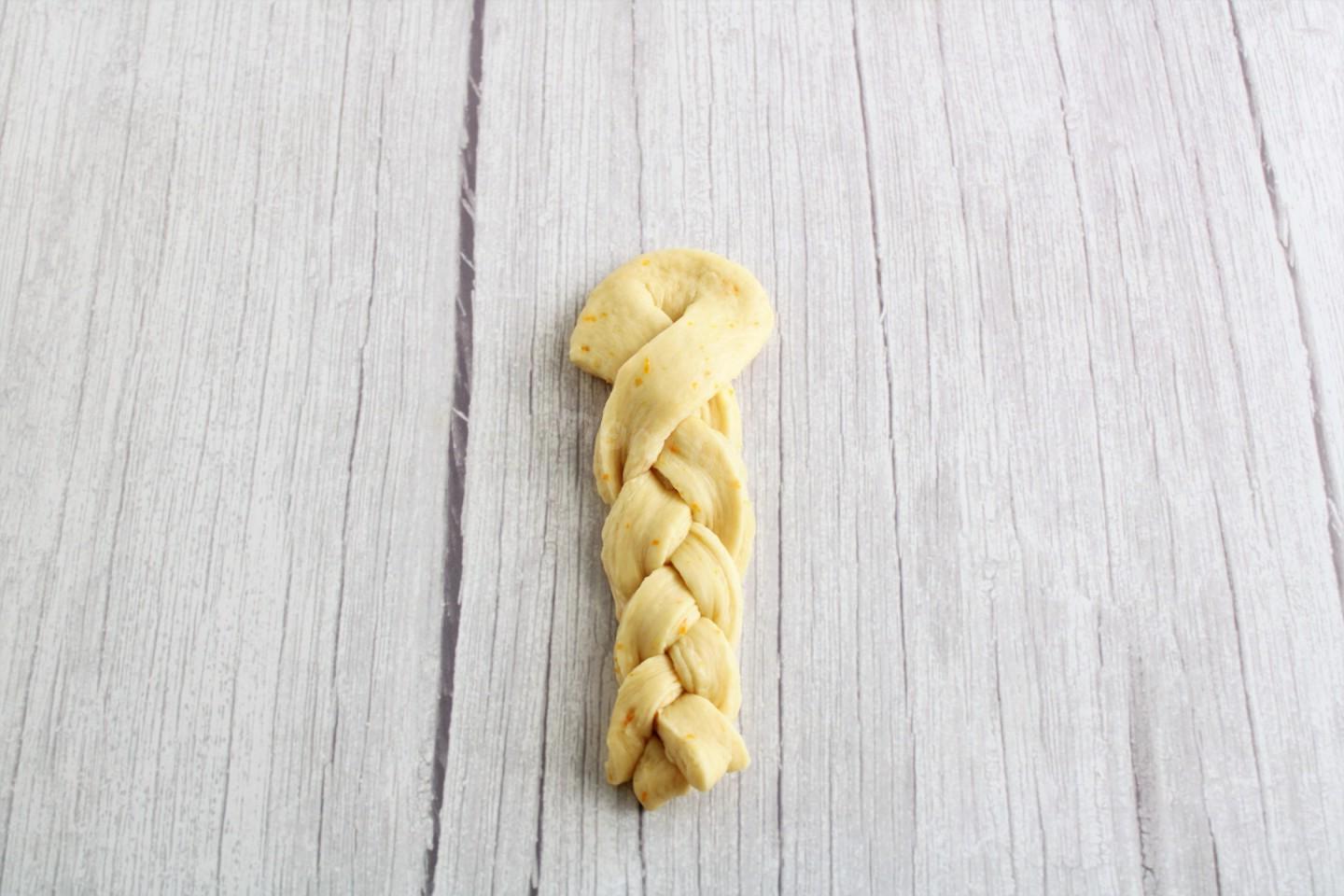
Start braiding the dough. At the same time, make sure that the strips lie evenly and the layers of dough do not twist.

Step 28

Step 28
Pinch the bottom edges of the braid a little so that they do not diverge.

Step 29

Step 29
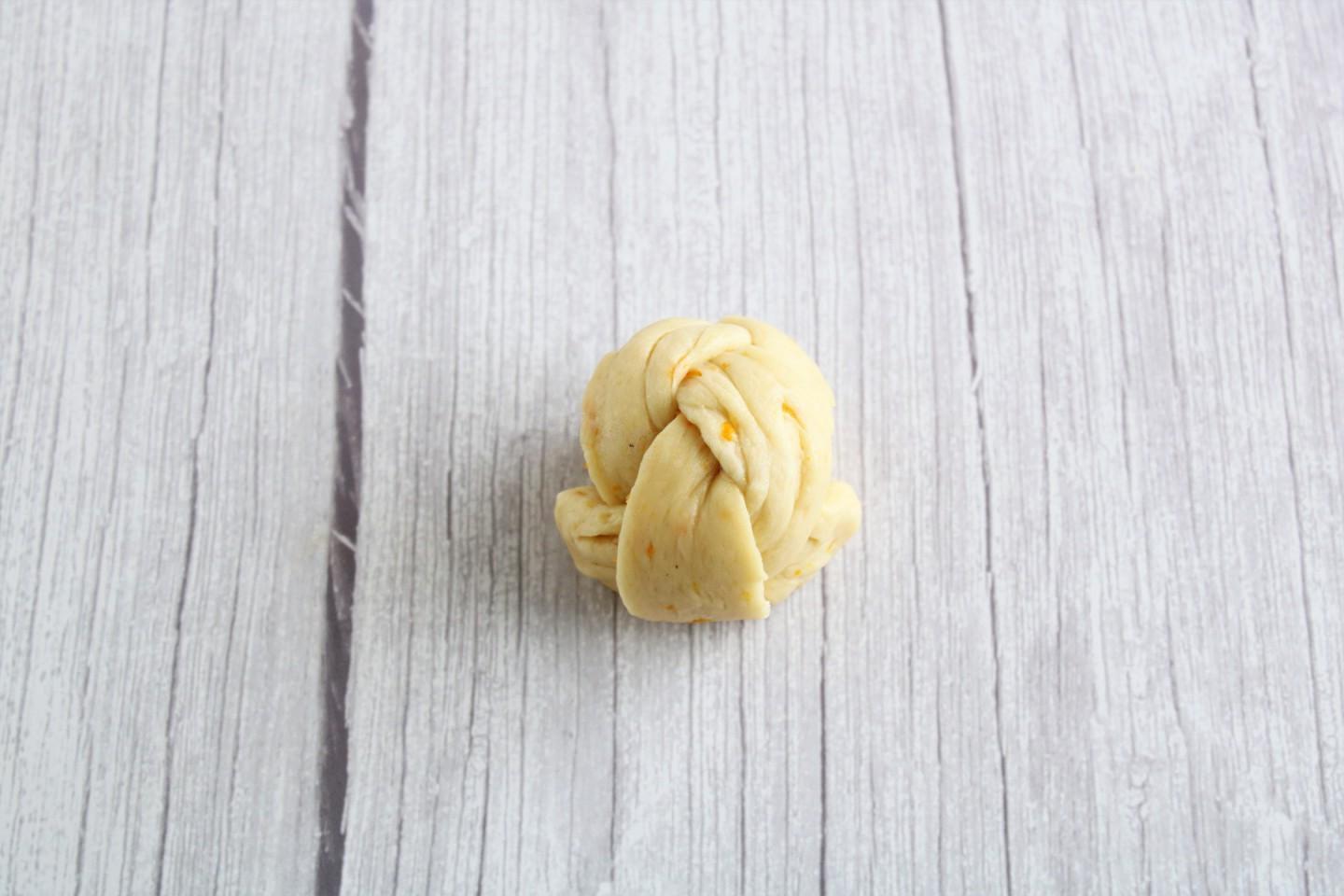
Roll the braid into a roll, starting from the bottom end away from you.

Step 30

Step 30
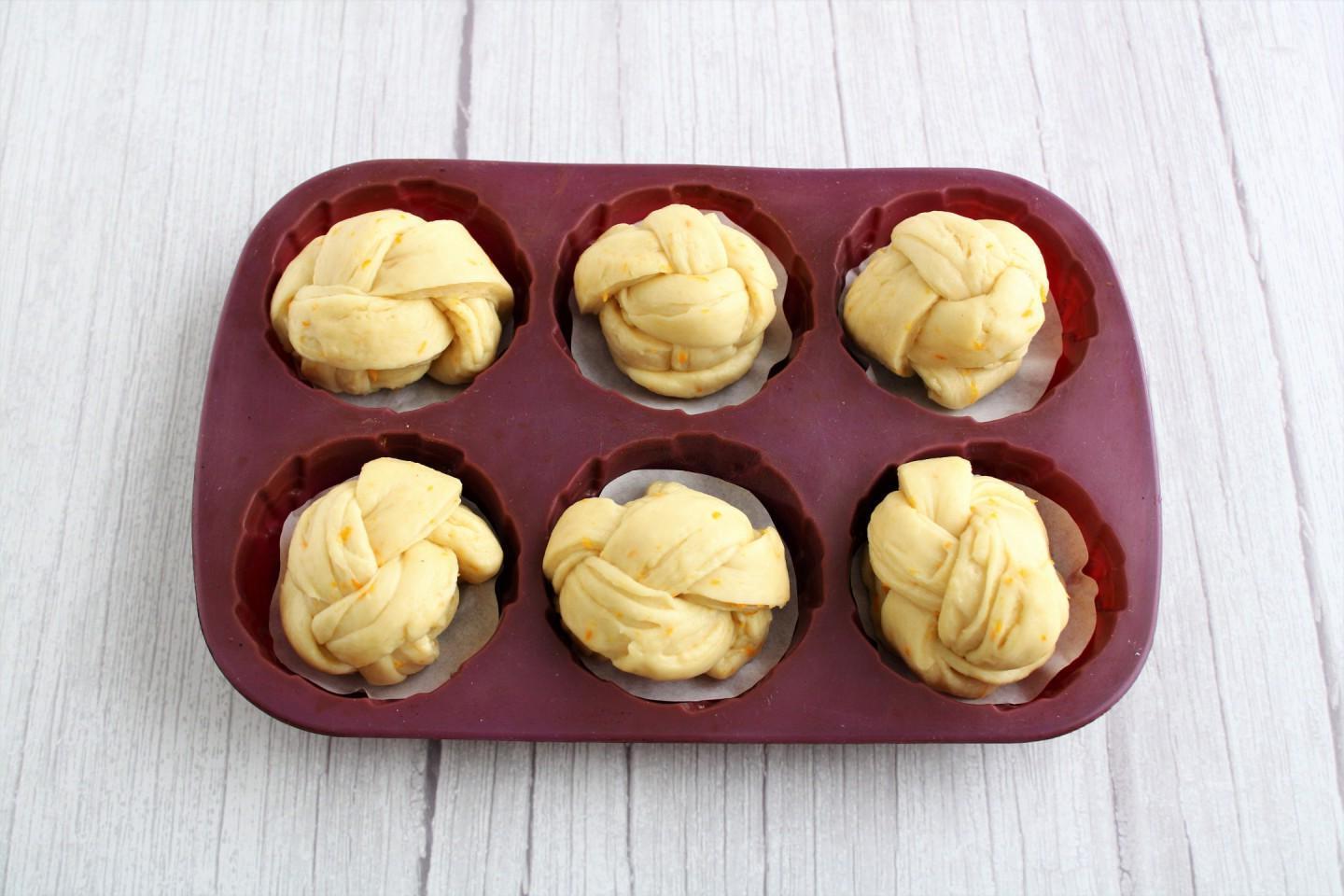
I was afraid that the buns might not retain their shape during baking, so I baked them in muffin tins. I put parchment circles on the bottoms. But I think the buns would not have unfolded without this. You can place them on a parchment-lined sheet. Cover the formed buns with a light layer of cling film on top and leave to proof for 30 minutes.

Step 31

Step 31
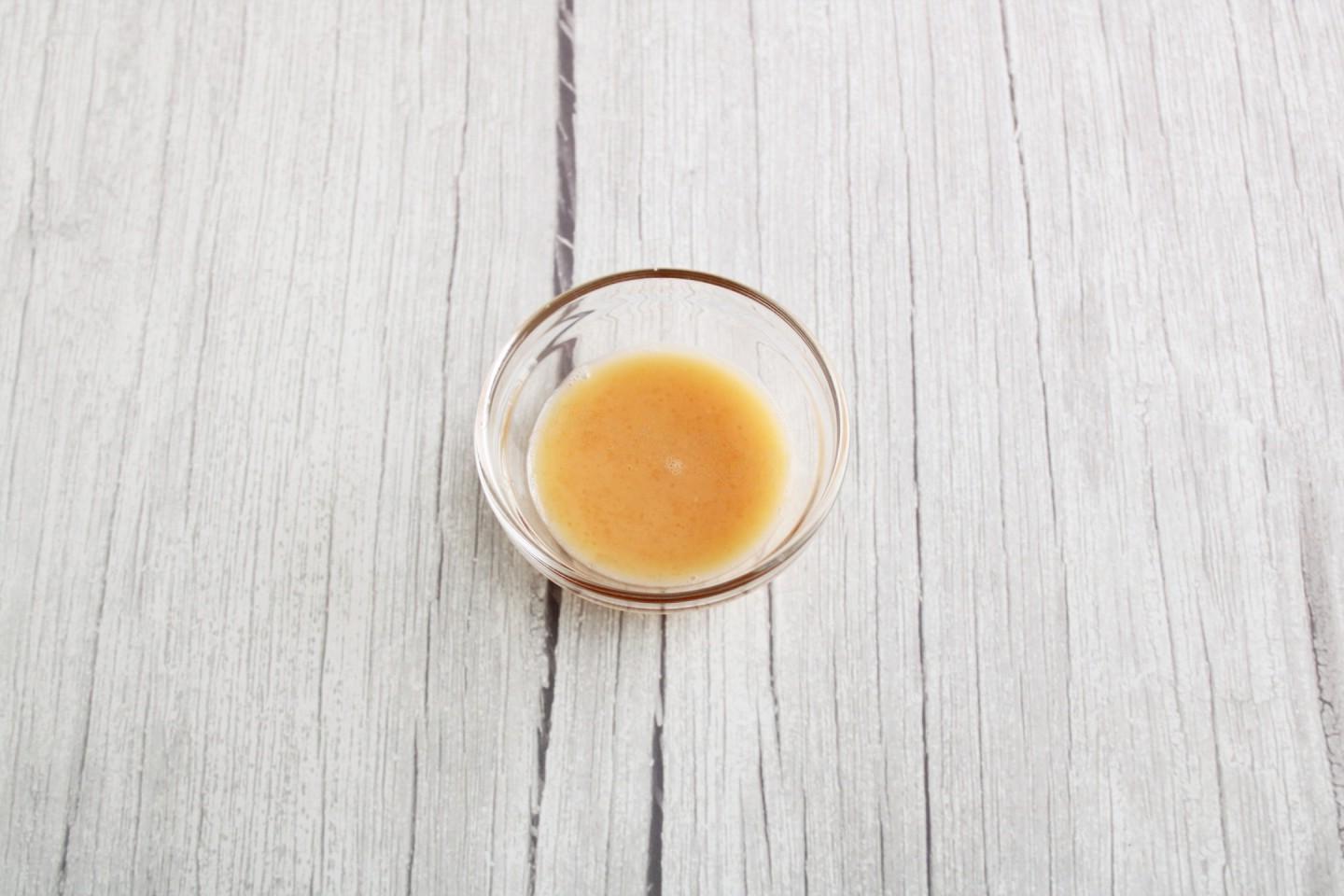
In a small bowl, mix the egg with a spoonful of milk.

Step 32

Step 32
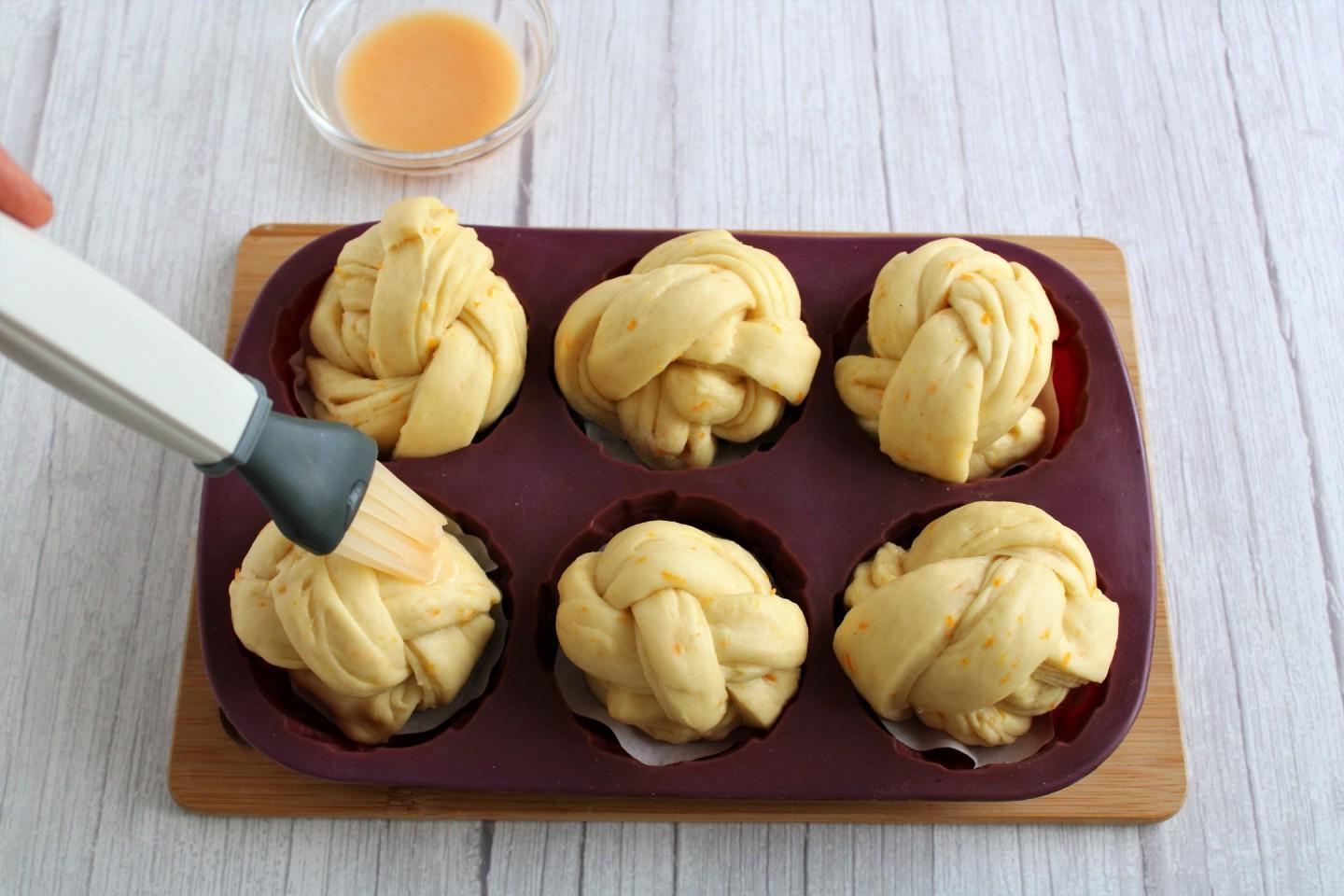
Brush the risen buns with the egg mixture on top only, avoiding any layers.

Step 33

Step 33
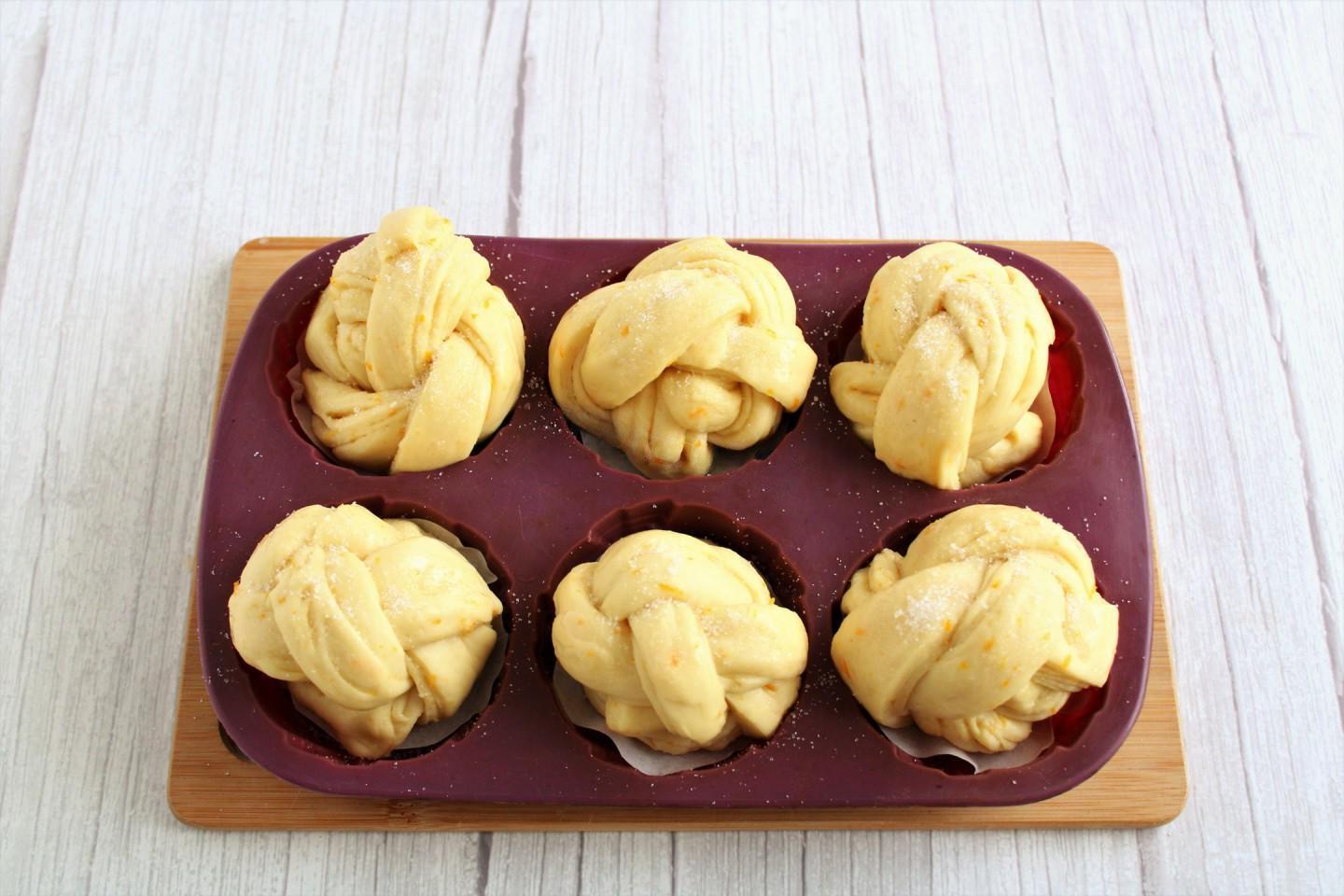
Sprinkle the buns with the remaining sugar.

Step 34

Step 34
Bake the buns in an oven preheated to 180C for 25 minutes until golden brown. This dough begins to brown very quickly. After 15 minutes of baking, I covered the buns with foil.

Step 35

Step 35
Cool the finished buns and serve. Bon appetit!

Additional rubrics