Easy, Airy Jellied Bread

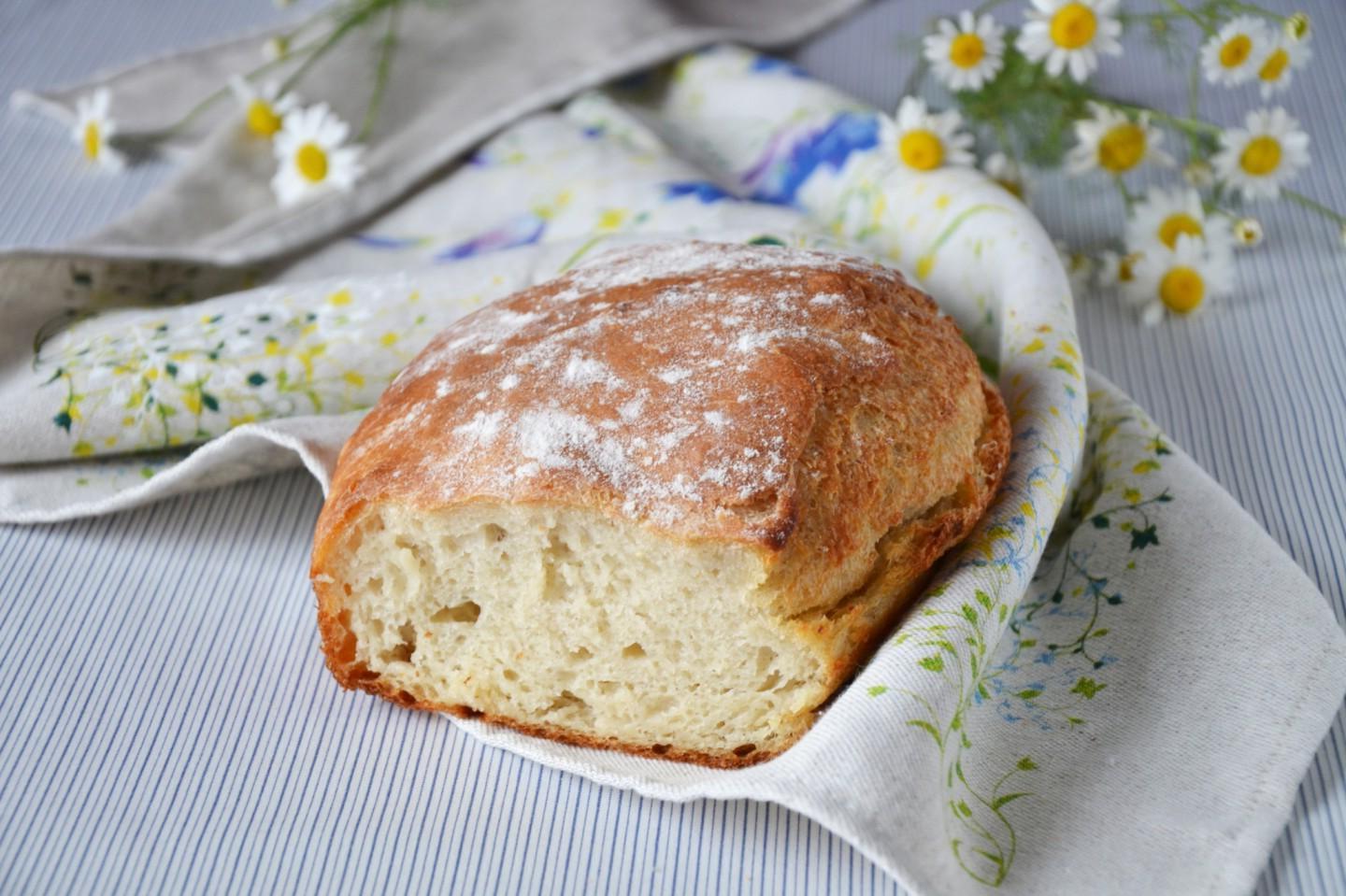
Unusual, simple, airy and delicious! Jellied bread turns out soft, surprisingly porous, no store-bought bread can compare with it! It is very easy to prepare — the main thing is that the yeast is fresh. Therefore, even a child can handle it.
cook time: 4h 30 min
Maya Lindell
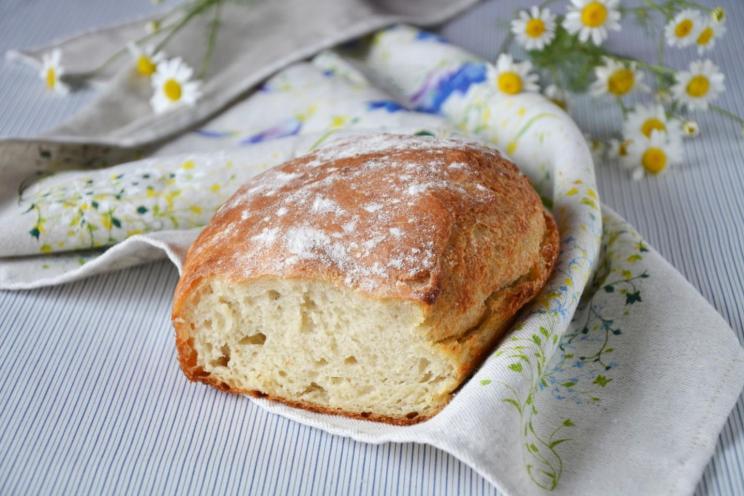
Easy, Airy Jellied Bread

Nutrition Facts (per serving)

188
Calories
1g
Fat
34g
Carbs
6g
Protein

Ingredients (6 portions)

Basic:

Salt 0.5 tsp
Sugar 1 tsp
Wheat flour 300 g
Water 300 ml
Vegetable oil 1 tsp
Yeast (fast-acting) 0.5 tsp

Recipe instructions

Step 1
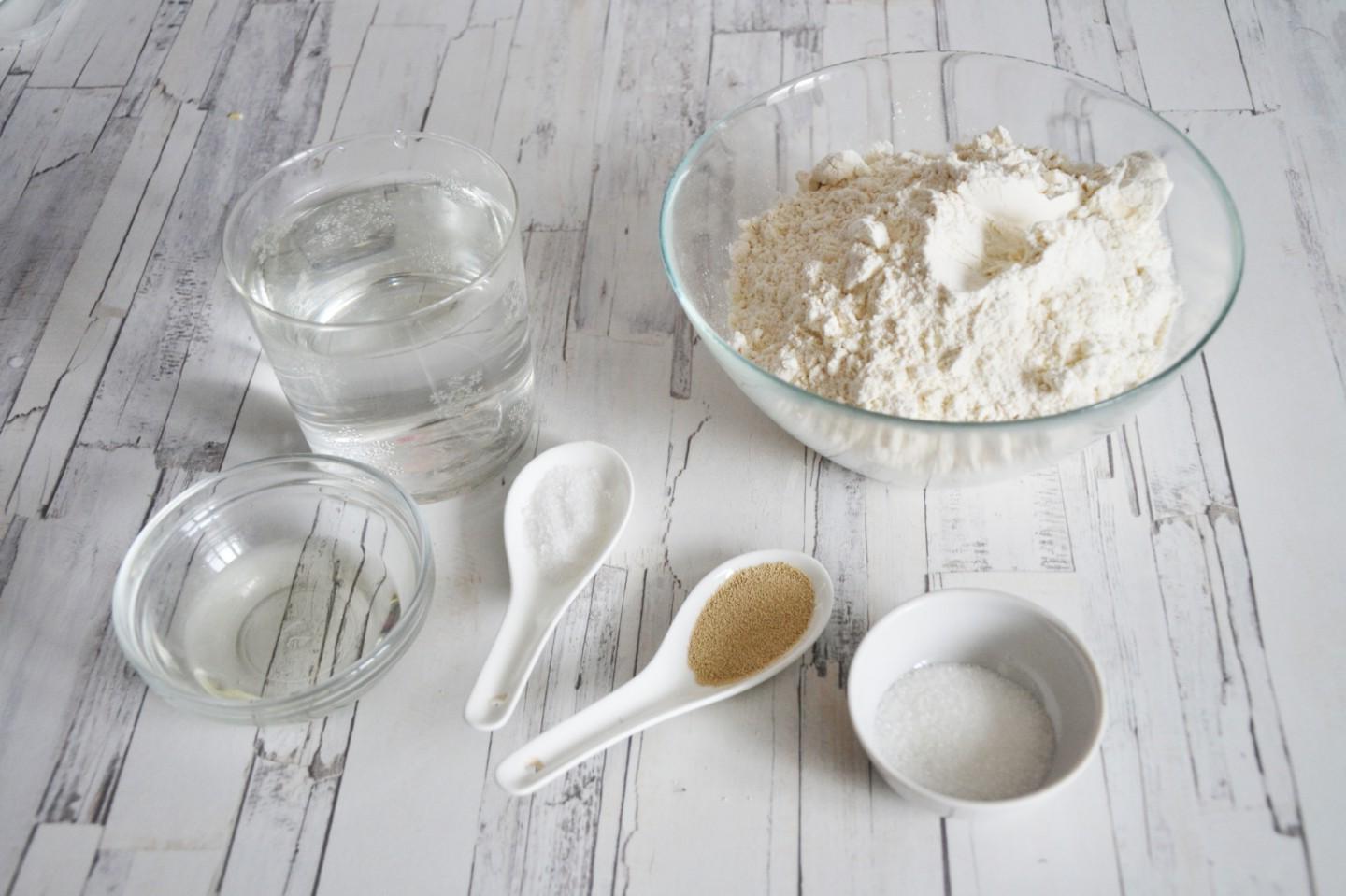
Step 1
How to bake jellied bread? Prepare all ingredients.

Step 2

Step 2
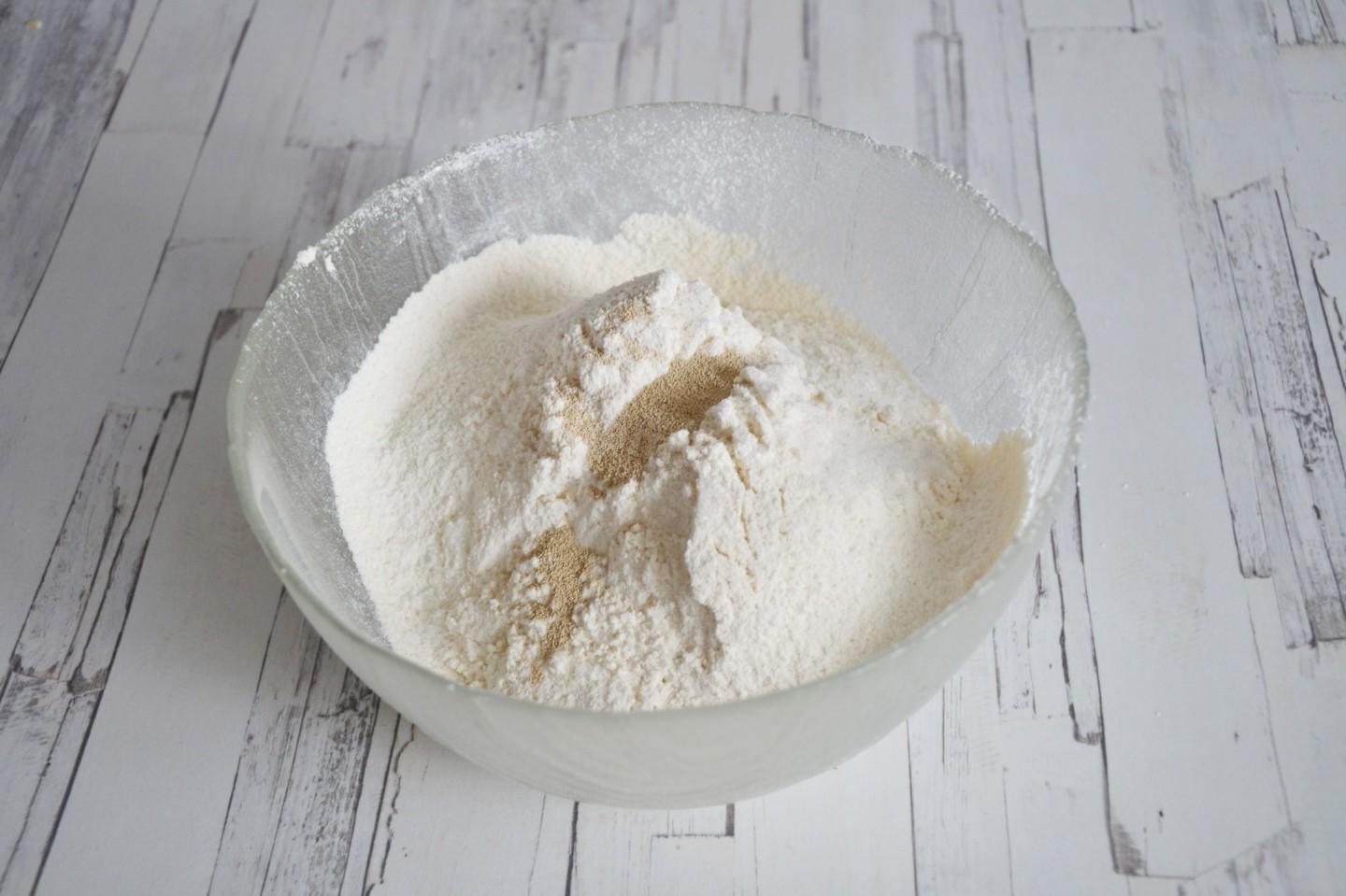
Sift the flour into a deep bowl. Add salt, sugar and yeast to the flour. If you don’t have dry yeast, you can use live yeast; you will need 5 grams for cooking. To activate the yeast, you will need to mash it and add warm water, cover with a towel and leave in a warm place to rise for a while, and then add it to the flour.

Step 3

Step 3
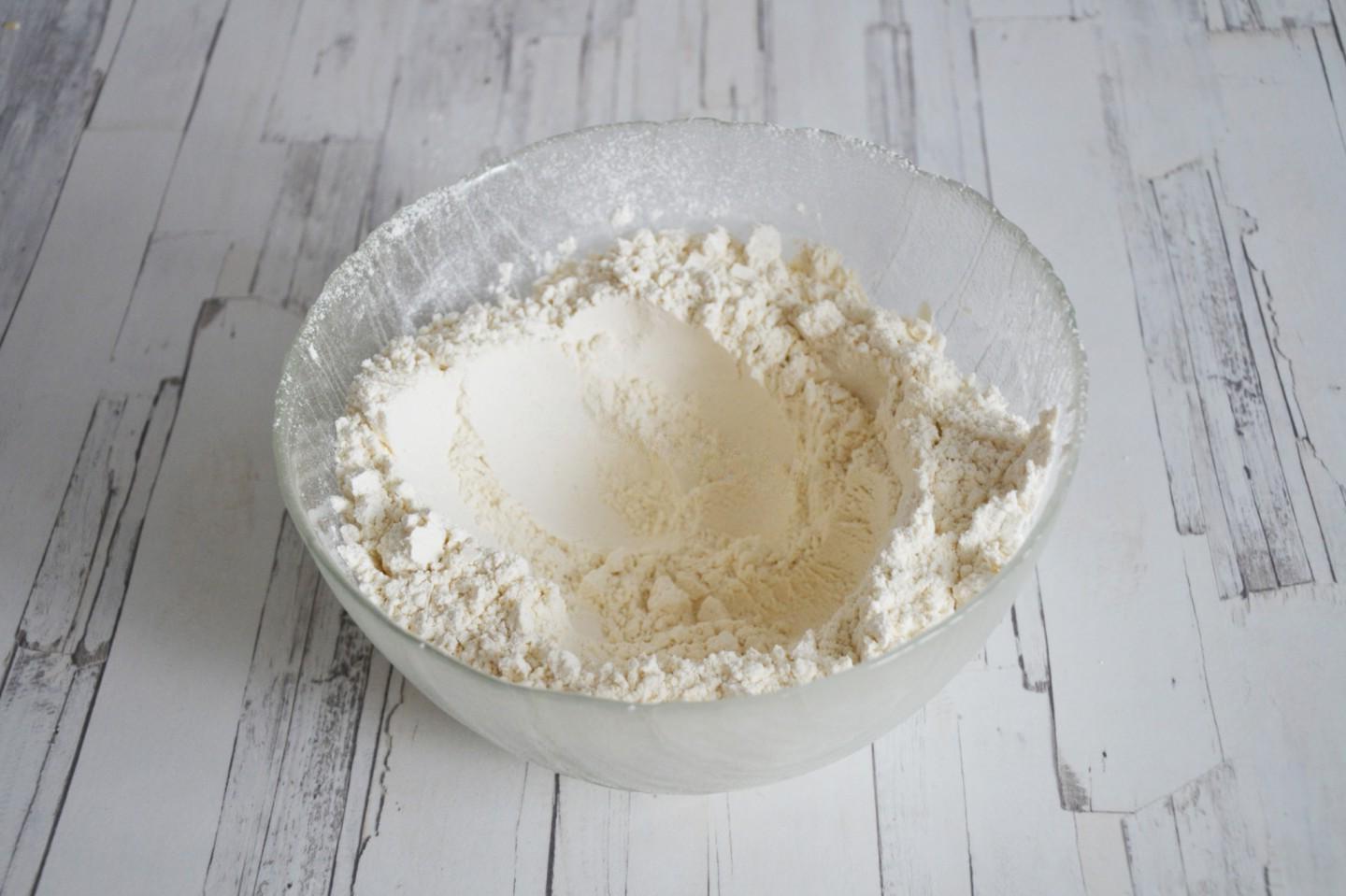
Mix everything thoroughly so that all ingredients are evenly distributed. Make a well in the flour mixture.

Step 4

Step 4
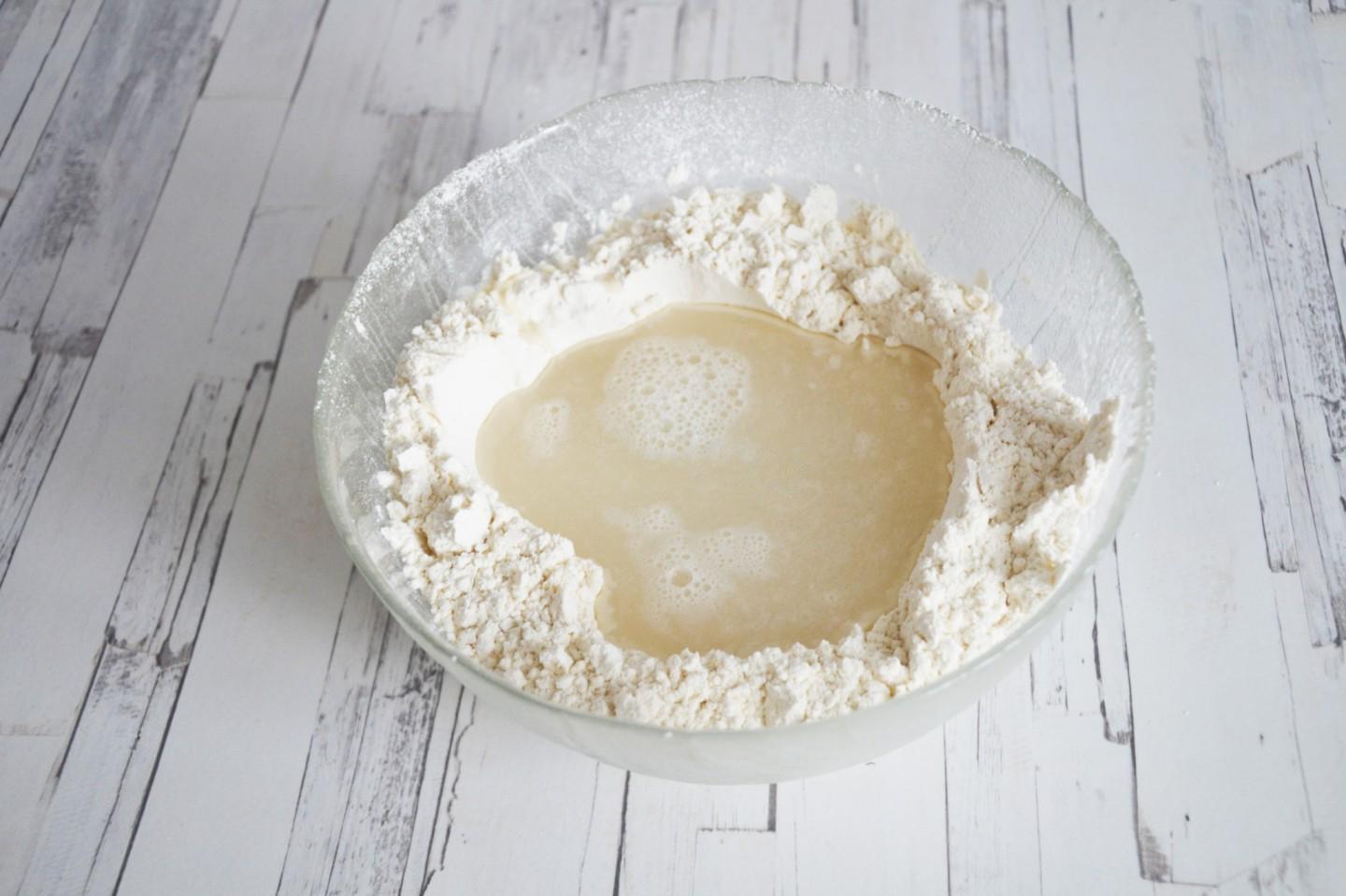
Pour warm water into the well (no more than 37-40°C, otherwise the yeast will die).

Step 5

Step 5
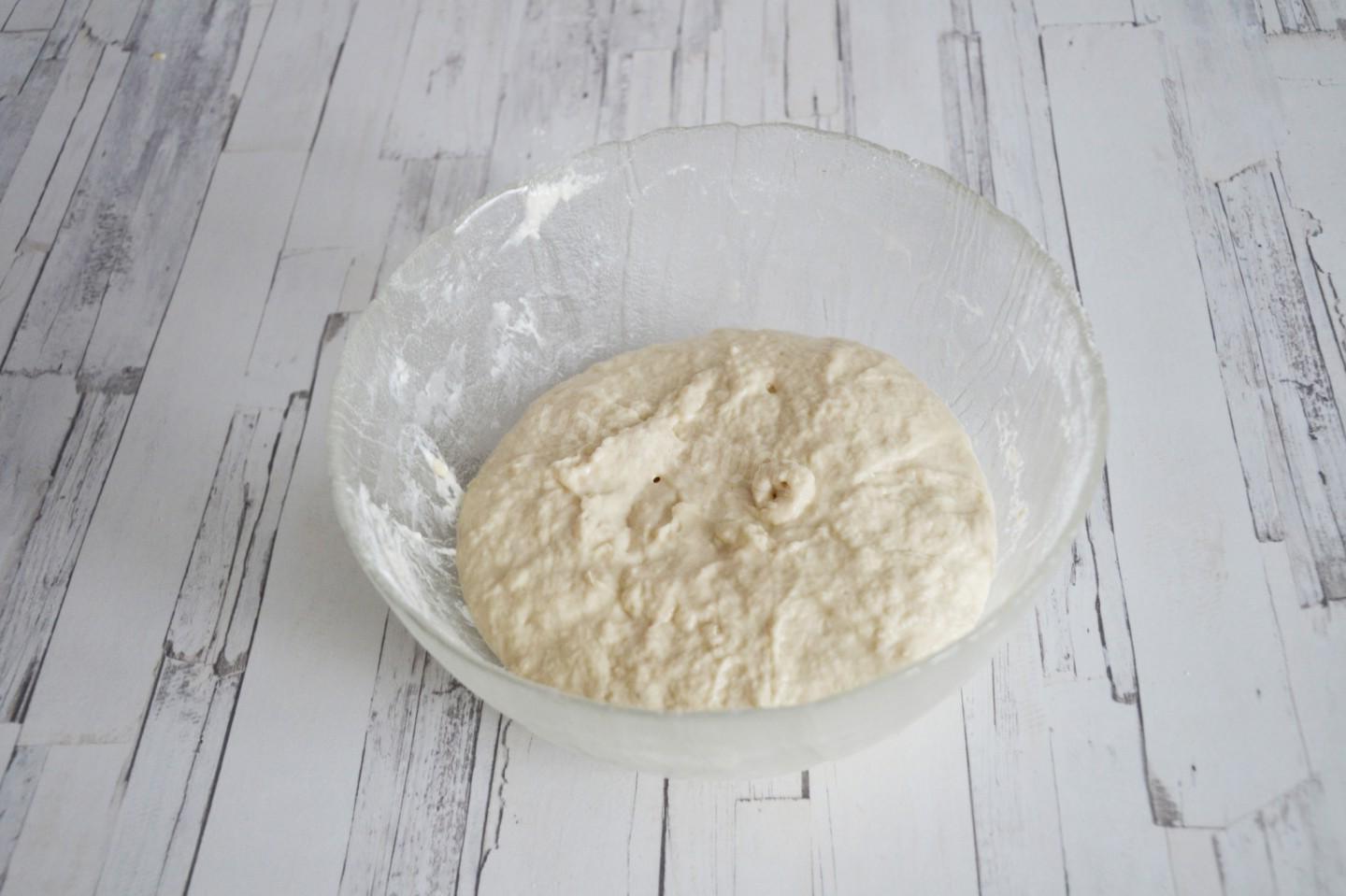
First, mix everything with a spoon. Then mix everything with a mixer at low speed until smooth, or you can knead by hand for at least 6 minutes. If you have a planetary mixer with a special dough hook attachment, you can use it. The result should be a fairly liquid and very sticky dough. You may need less or more flour, depending on the required consistency of the dough.

Step 6

Step 6
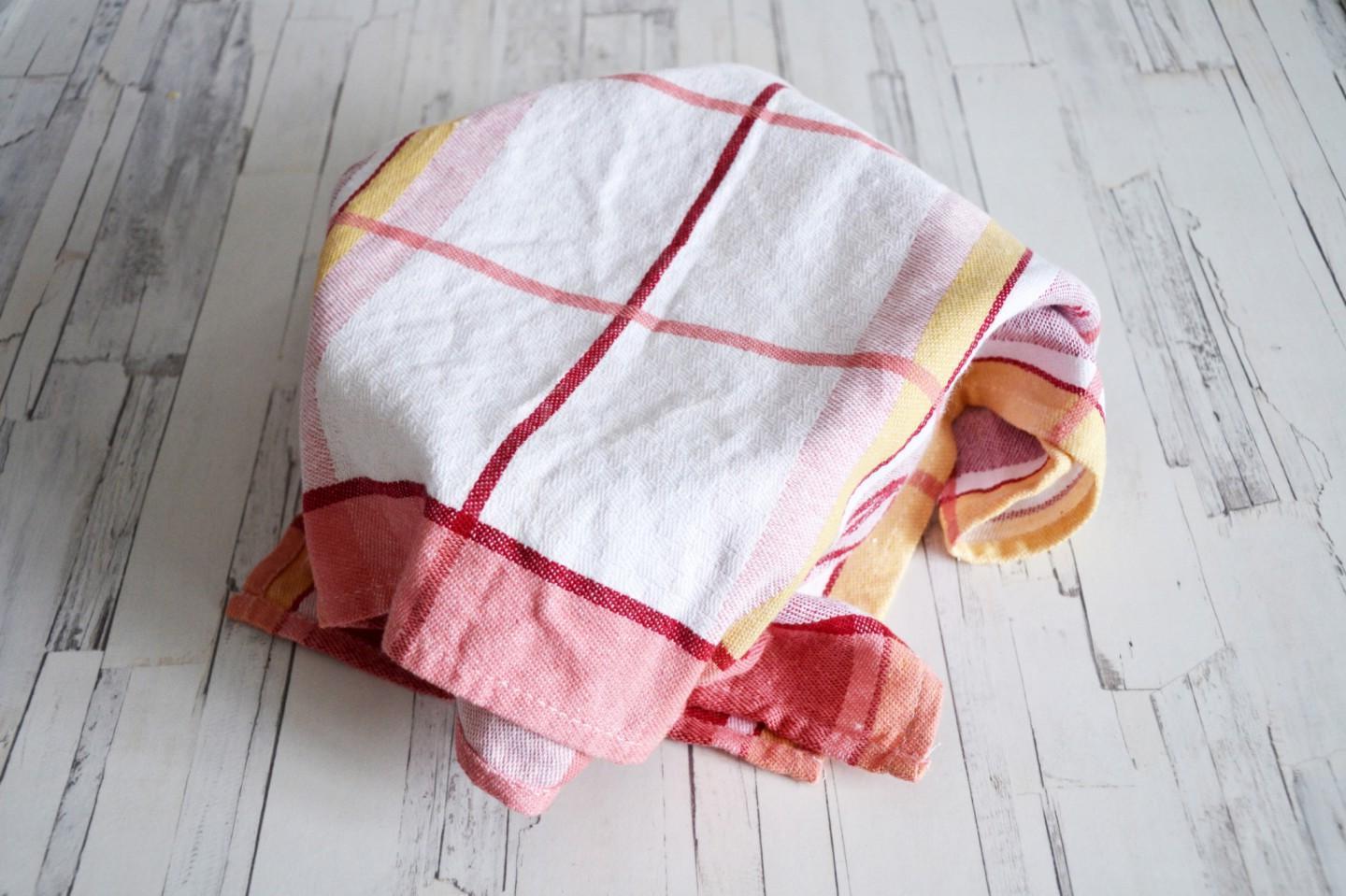
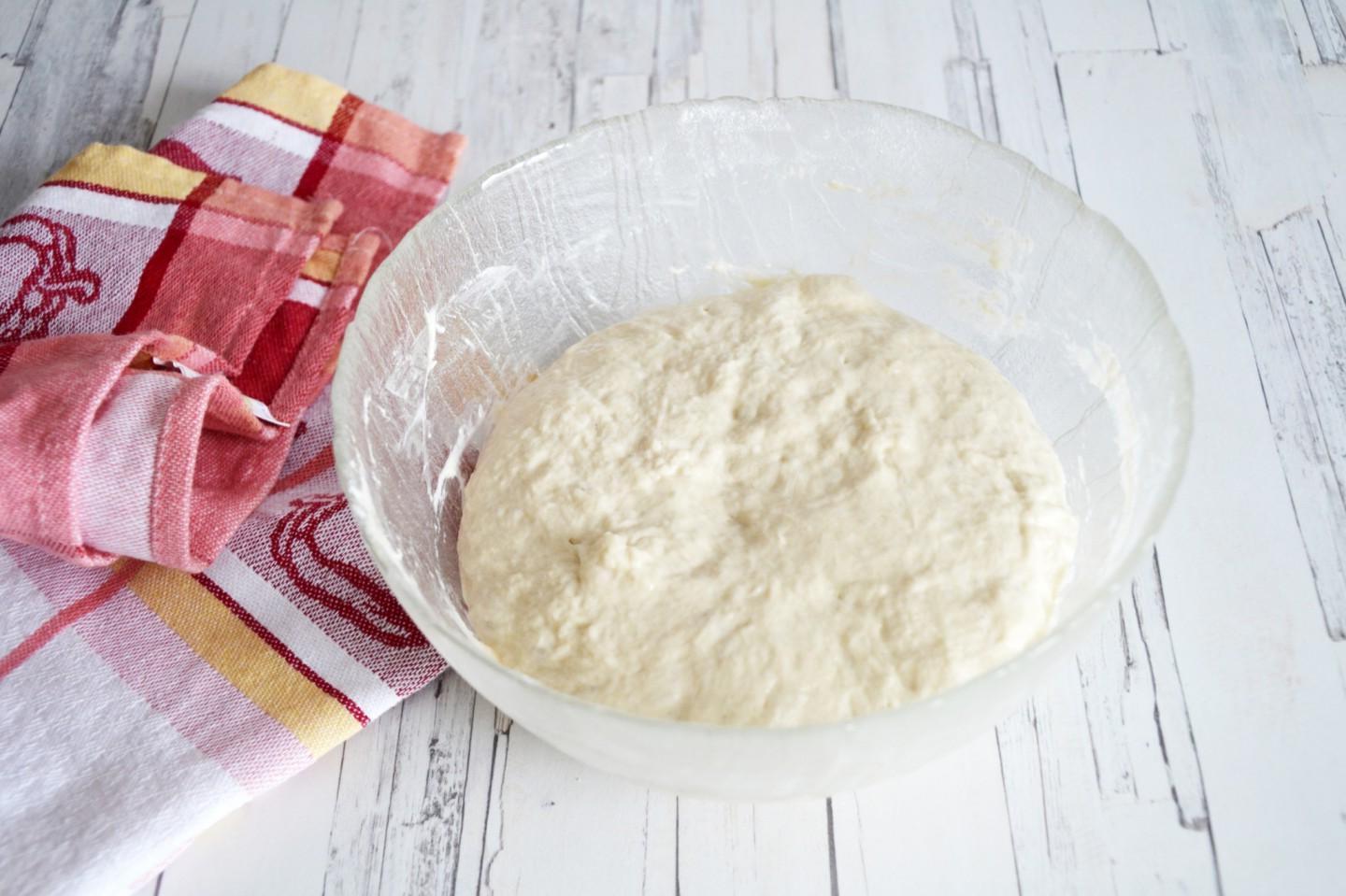
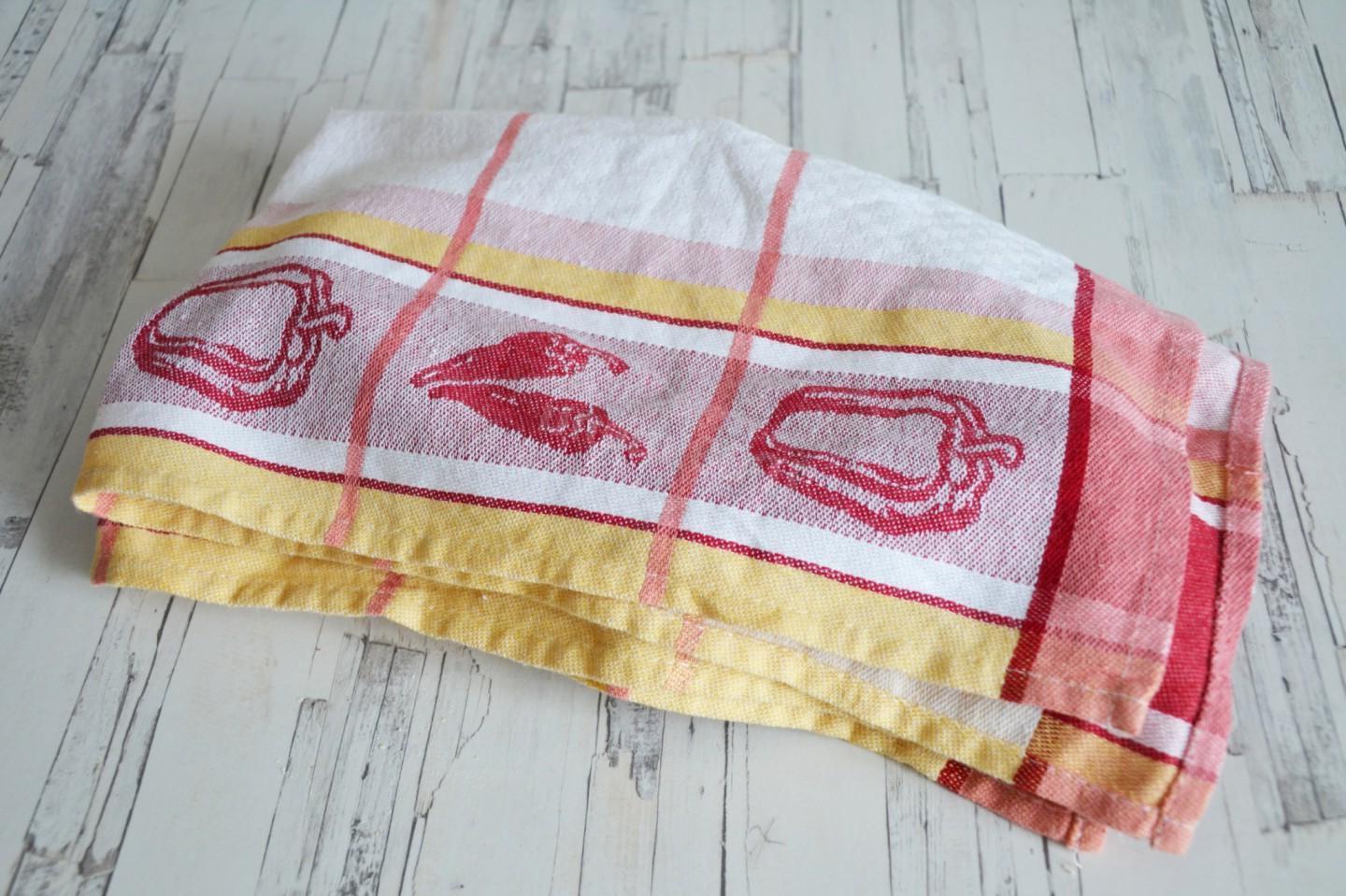
Using a silicone spatula, press the dough into a round shape, working from the edges to the center. Cover the pan with cling film or a towel and leave to ferment for about 1.5-2 hours in a warm place.

Step 7

Step 7
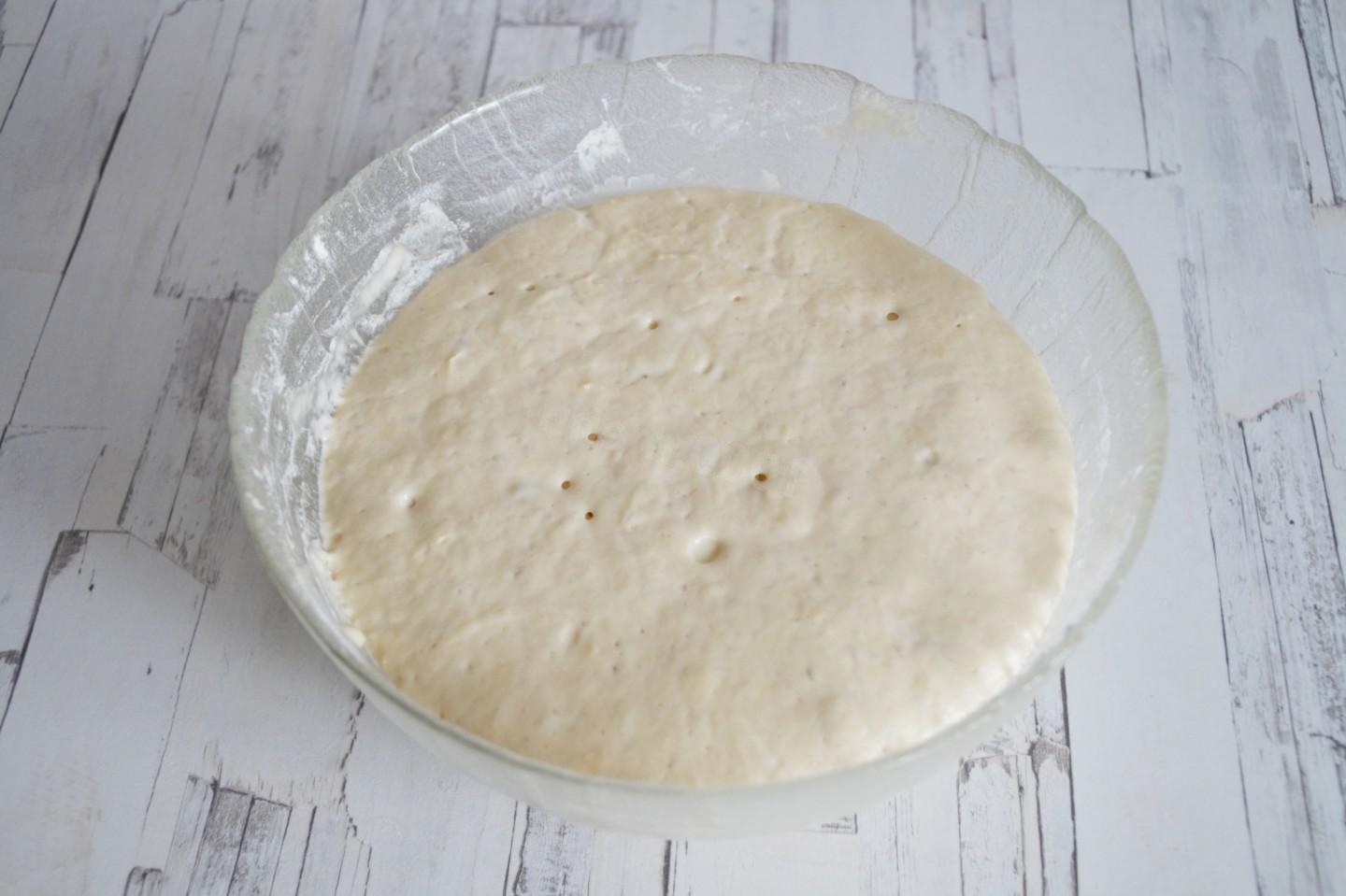
Pull the spread dough back towards the center of the bowl, trying to release any accumulated air bubbles.

Step 8

Step 8
Leave the dough to ferment under the towel for about 50 minutes. The finished dough should contain a lot of bubbles.

Step 9

Step 9
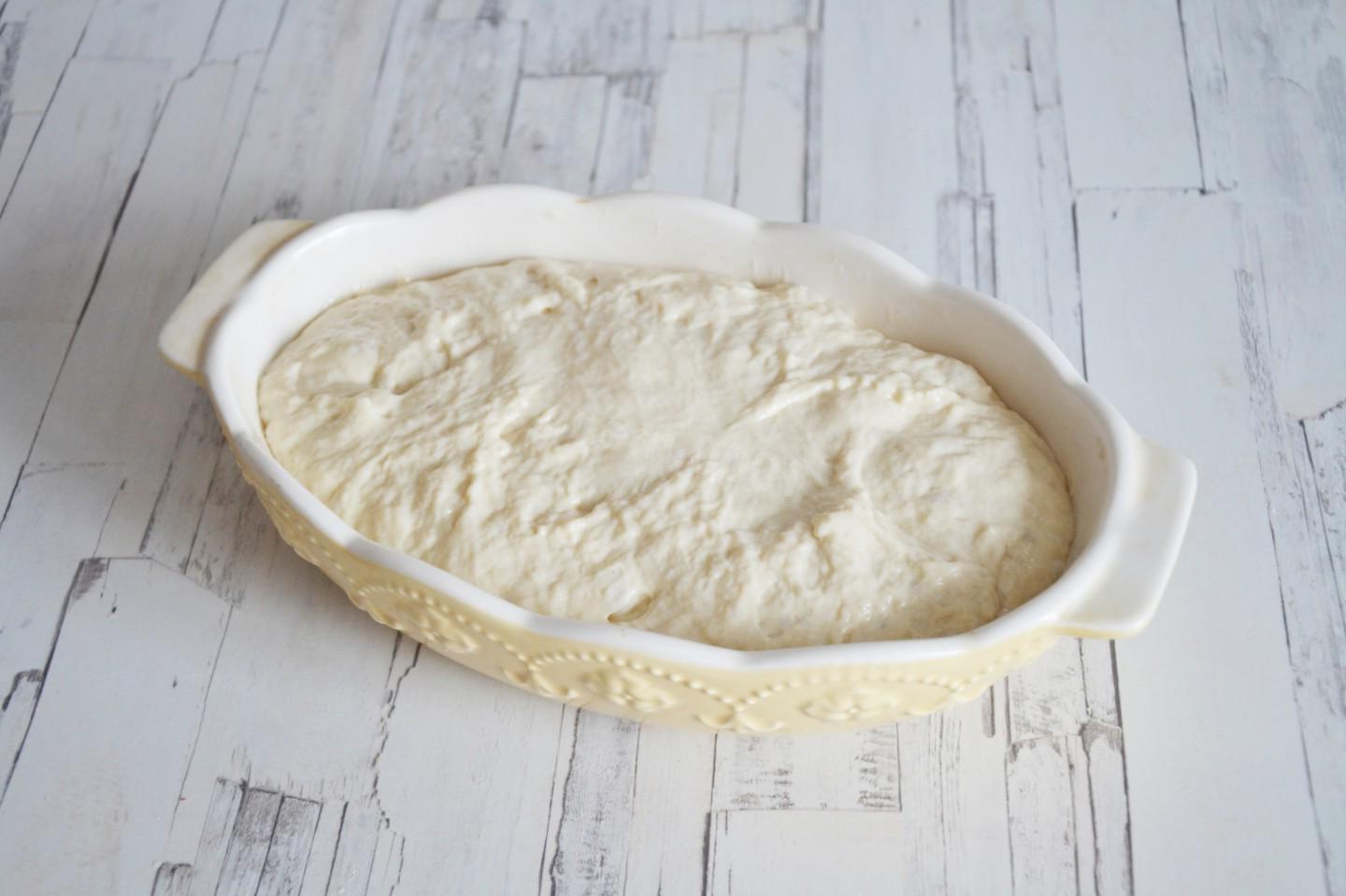
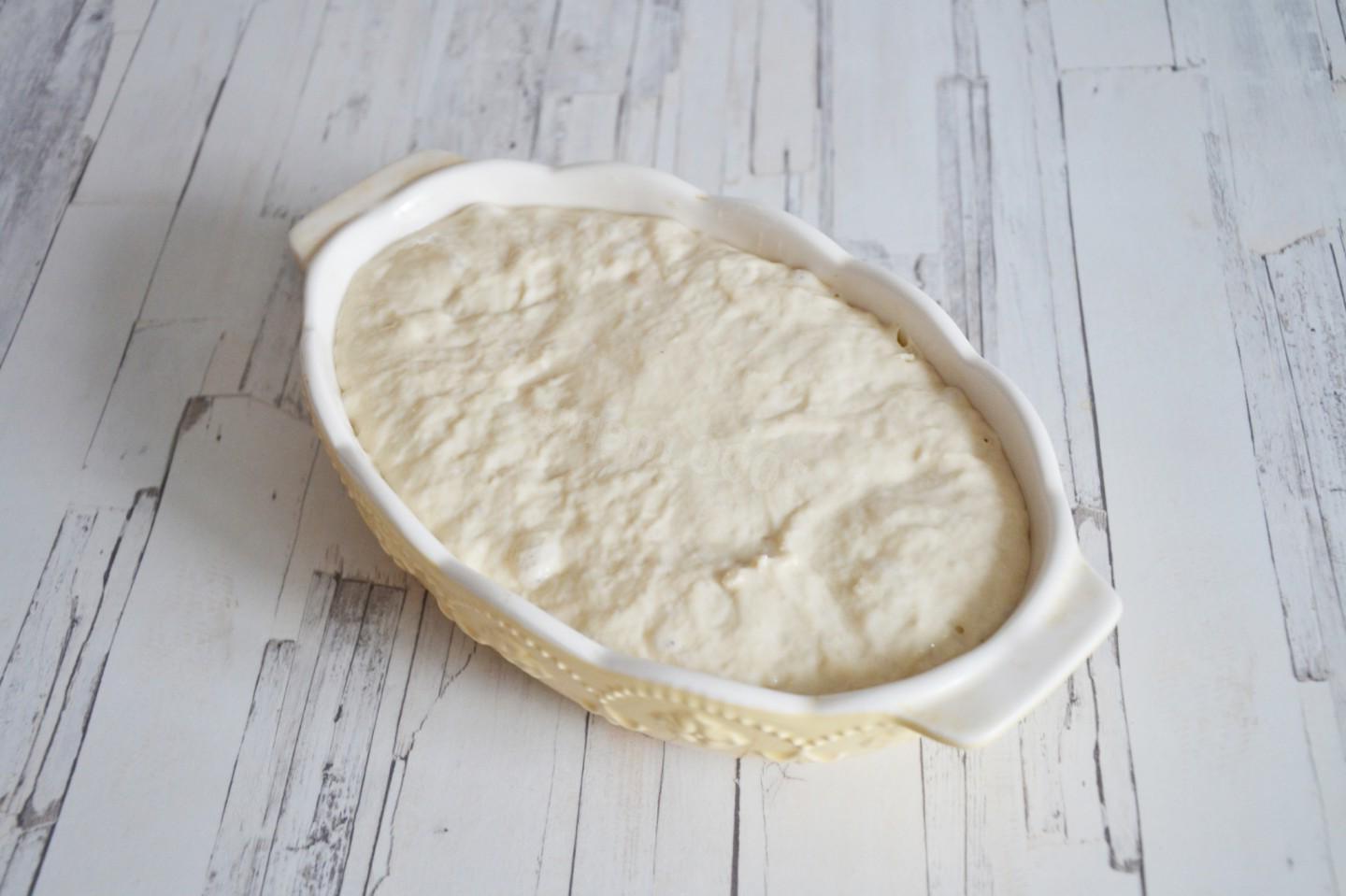
Grease a bread pan with vegetable oil and pour the dough into it.

Step 10

Step 10
Leave the dough to prove under a towel for another 25-30 minutes. This is no longer necessary, since the dough is semi-liquid and may sag in the middle during the baking process. To prevent this from happening, keep the proofing for no longer than 30 minutes.

Step 11

Step 11
Bake the bread in a preheated oven at 240°C for 10 minutes. Then reduce the temperature to 200°C and bake for another 20 minutes. Baking times are approximate, be guided by the features of your oven.

Step 12

Step 12
Remove the finished bread from the mold, wait until it cools and enjoy its unearthly taste. Bon appetit!

Additional rubrics