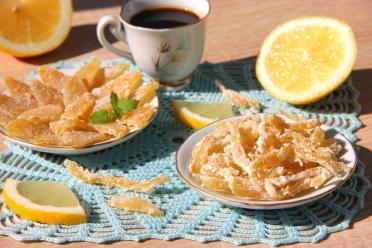
Homemade Candied Lemon Peel: A Nutritious Treat

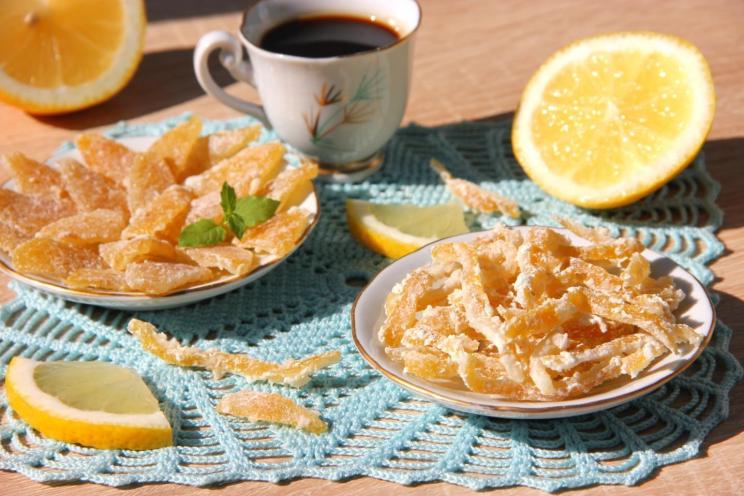
Candied fruits are an oriental sweet with an ancient history. Properly prepared candied fruits contain all the same vitamins, chemical elements and nutrients as a similar fruit or vegetable. The fiber content has a beneficial effect on intestinal function and cleanses of toxins. Therefore, candied fruits are often recommended by nutritionists, but in minimal quantities. Useful real candied fruits, they have a paler color and, of course, those that you prepared. Cooking is only time-consuming, because the peel is usually simply thrown away.
cook time: 72h
Hazel Farrow
Homemade Candied Lemon Peel: A Nutritious Treat

Nutrition Facts (per serving)

32
Calories
7g
Carbs

Ingredients (10 portions)

Basic:

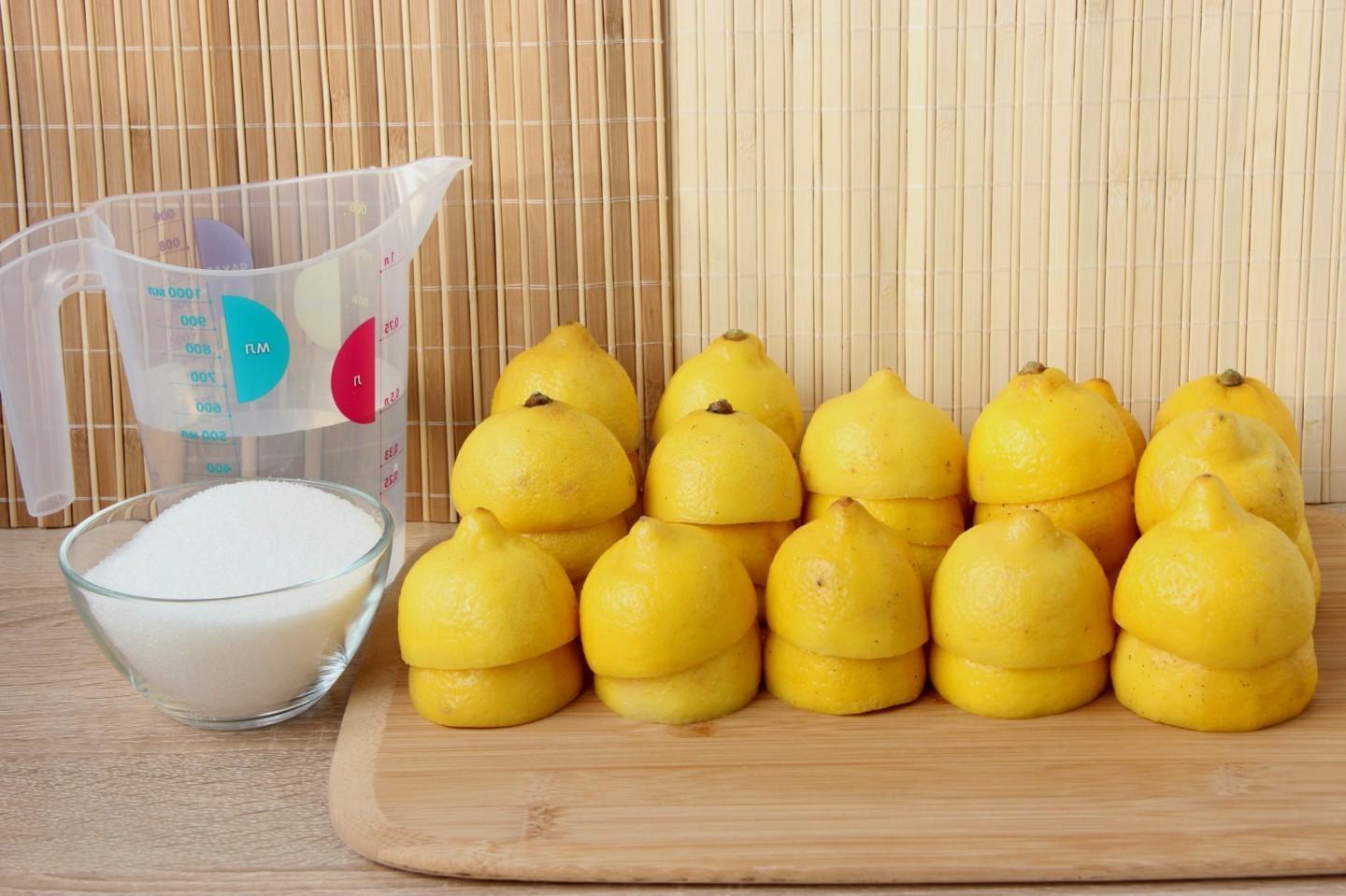
Lemon peel 1000 g
Water 6 l
Salt 3 tsp

Syrup:

Sugar 500 g
Water 250 ml

Recipe instructions

Step 1
Step 1
I haven’t thrown away citrus peels for a long time. I freeze it or if there is a lot, I cook it right away. Candied fruits are used in baked goods and as a pleasant energy snack. Wash whole citrus fruits thoroughly before use. Simply rinse frozen peels with cold water.

Step 2

Step 2
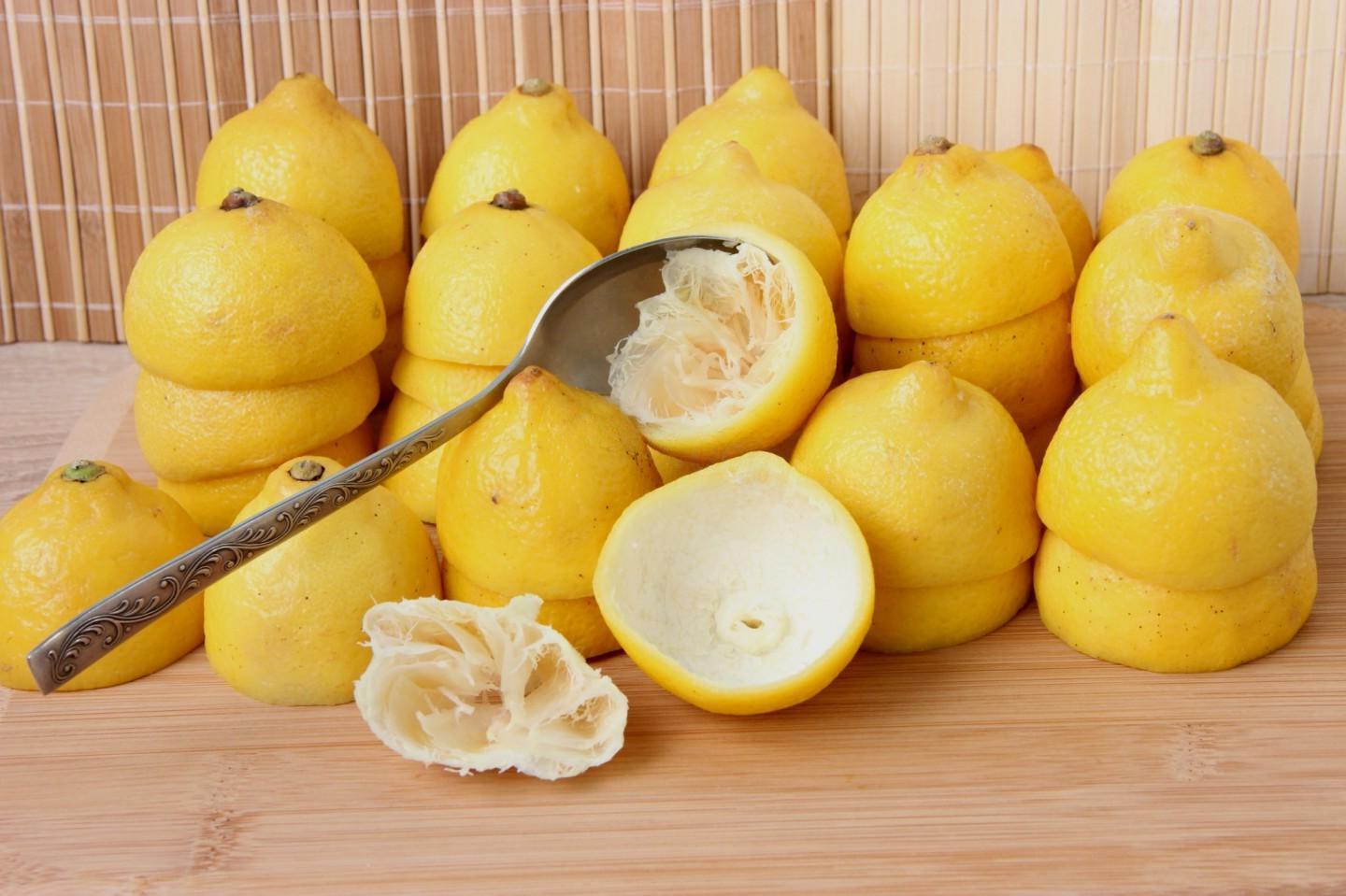
From practice, it is more convenient to clean the crusts from membrane residues immediately, before freezing or soaking. I usually clean it with a spoon.

Step 3

Step 3
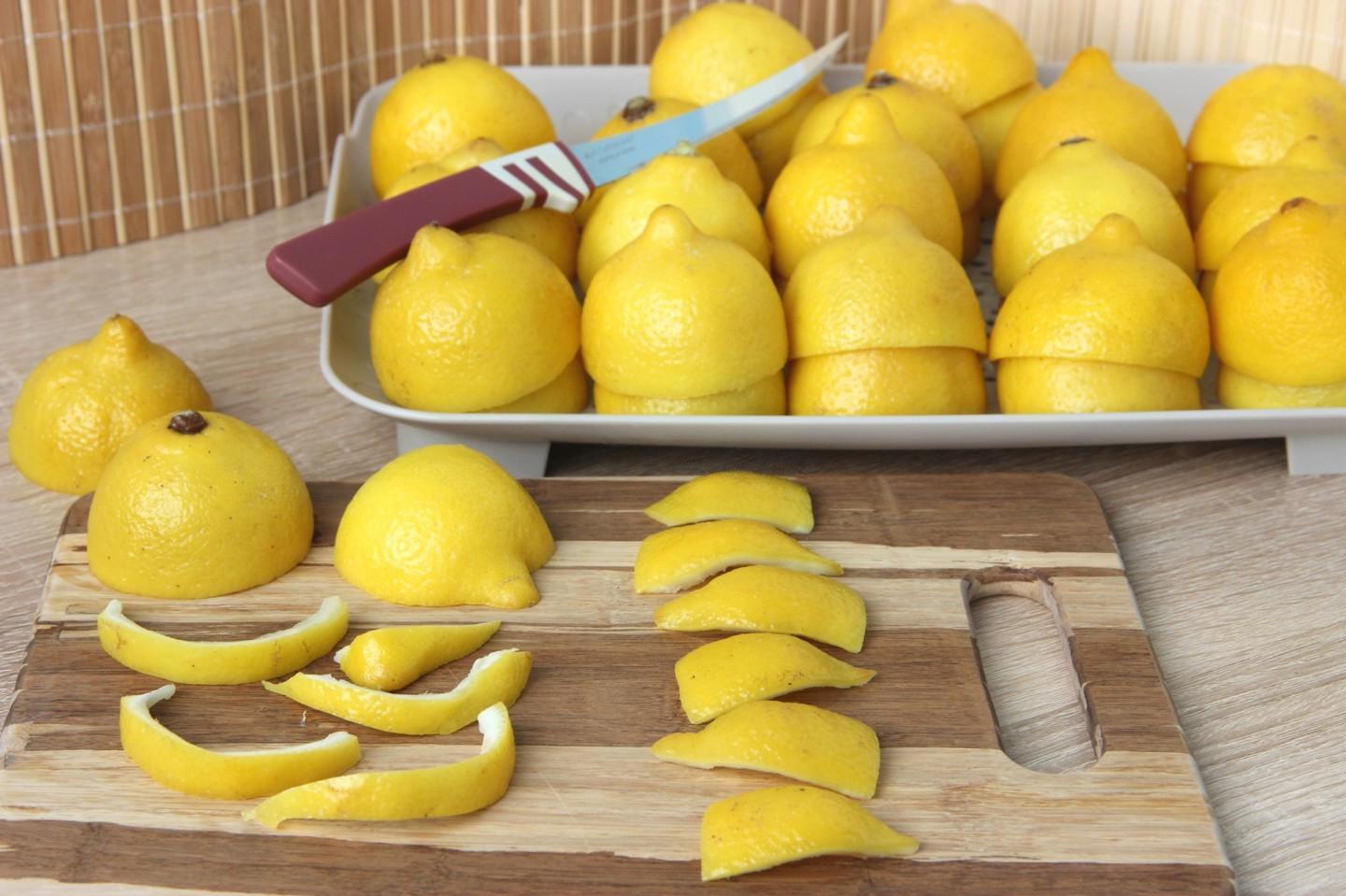
I cut the peeled peels into 0.5-0.7 cm strips. Or I cut the hemisphere in half and then into 3-4 triangular segments. If there are few crusts, I freeze them until they accumulate (this way they will take up less space in the freezer and will be ready for further processing).

Step 4

Step 4
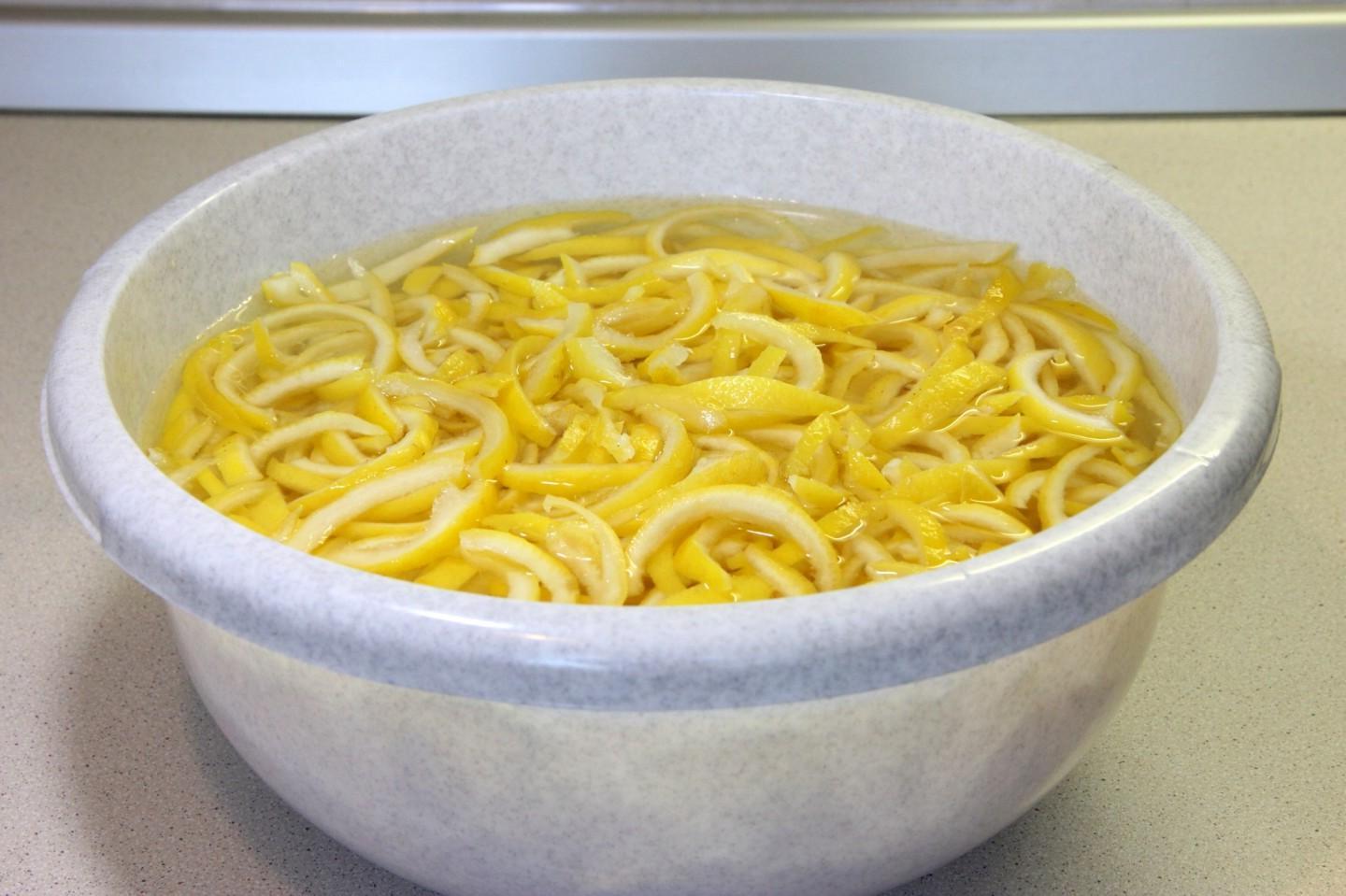
Sometimes there are a lot of crusts at once, then I fill them with cold water and soak them for two days. Periodically, after 5-7 hours, drain the water and replace it with fresh water. Soaking removes the bitterness. You can leave it for a day, there will be a little more bitterness, but there is no point in soaking it for more than 2 days /then they lose their shape and appearance during cooking/.

Step 5

Step 5
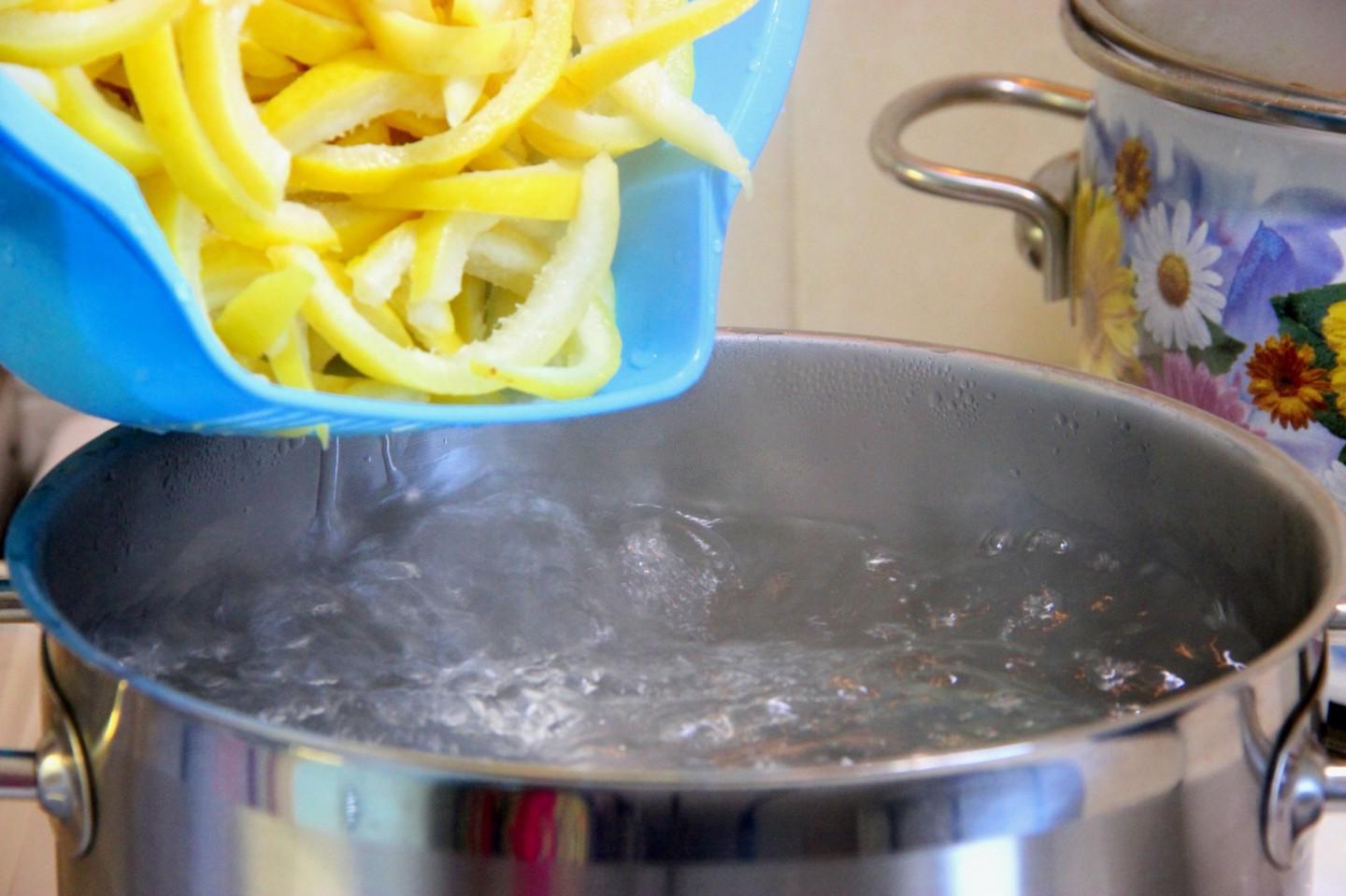
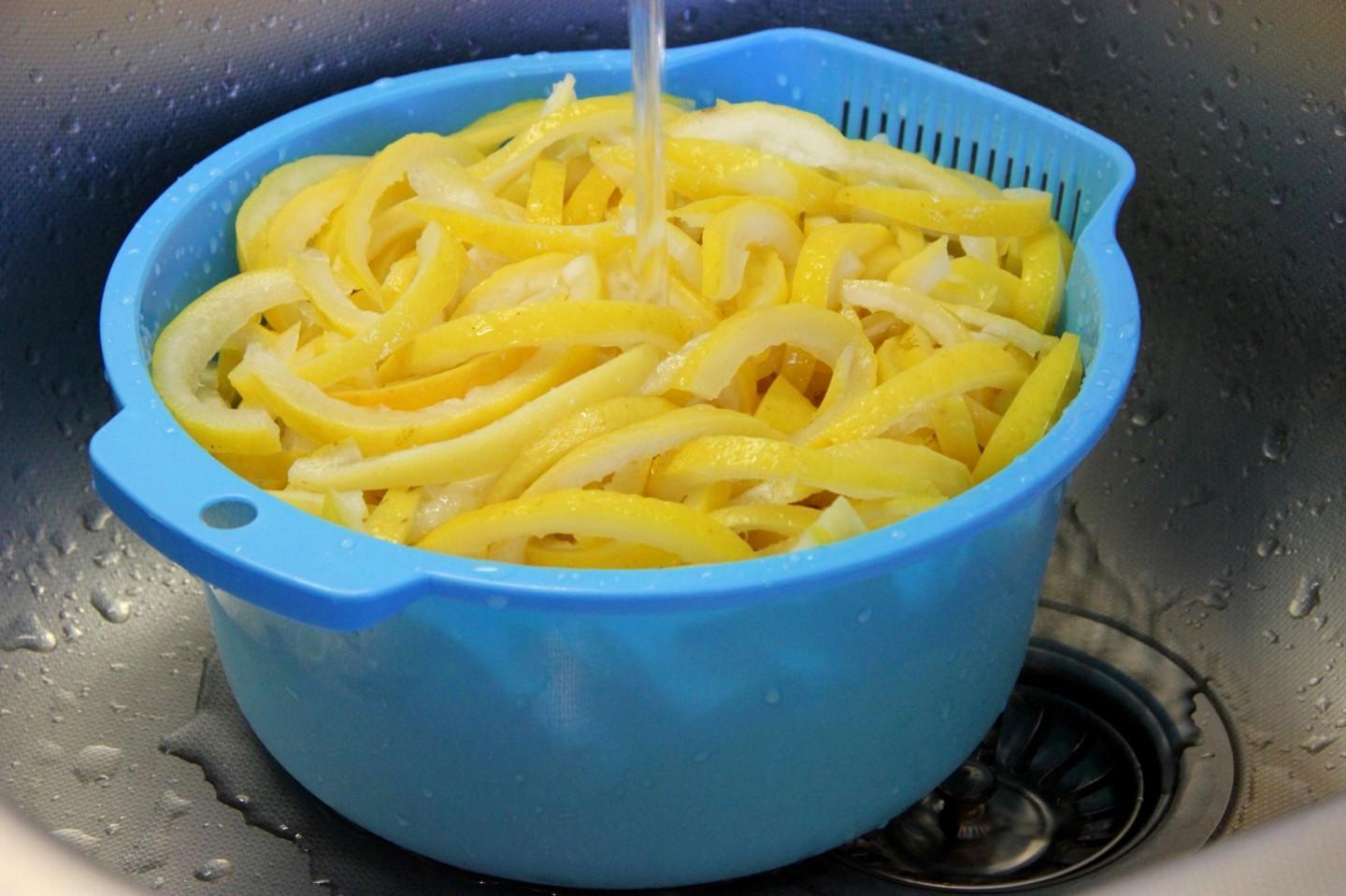
Blanch the soaked peel in boiling water for 3-4 minutes, covering with a lid. Repeat the cycle three times.

Step 6

Step 6
Each time drain the boiling water, rinse the peel, cooling with running water.

Step 7

Step 7
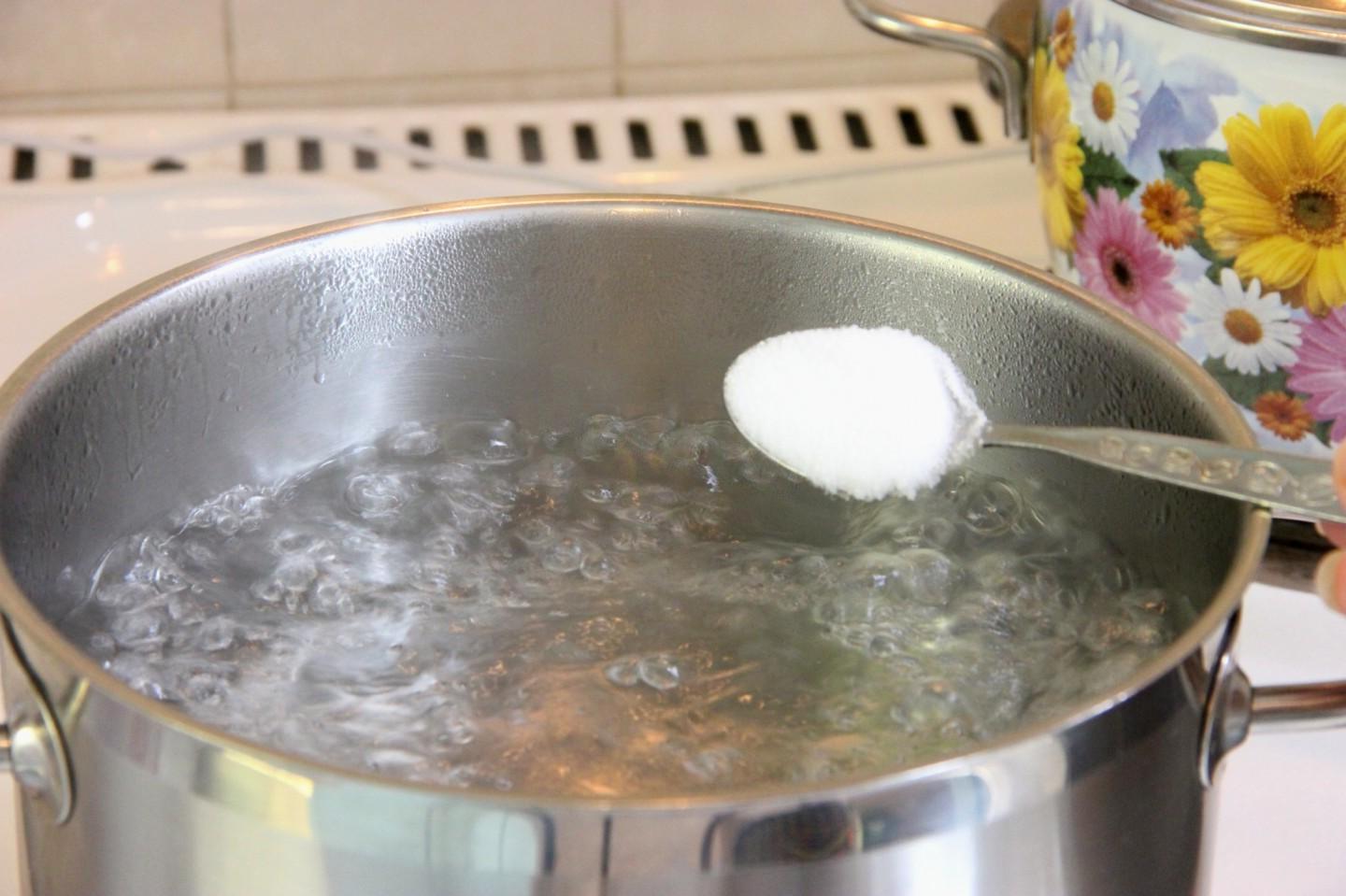
Boil the last two times adding 1 tsp. salt per 2 liters of water. It is the salt that will remove the remaining bitterness well.

Step 8

Step 8
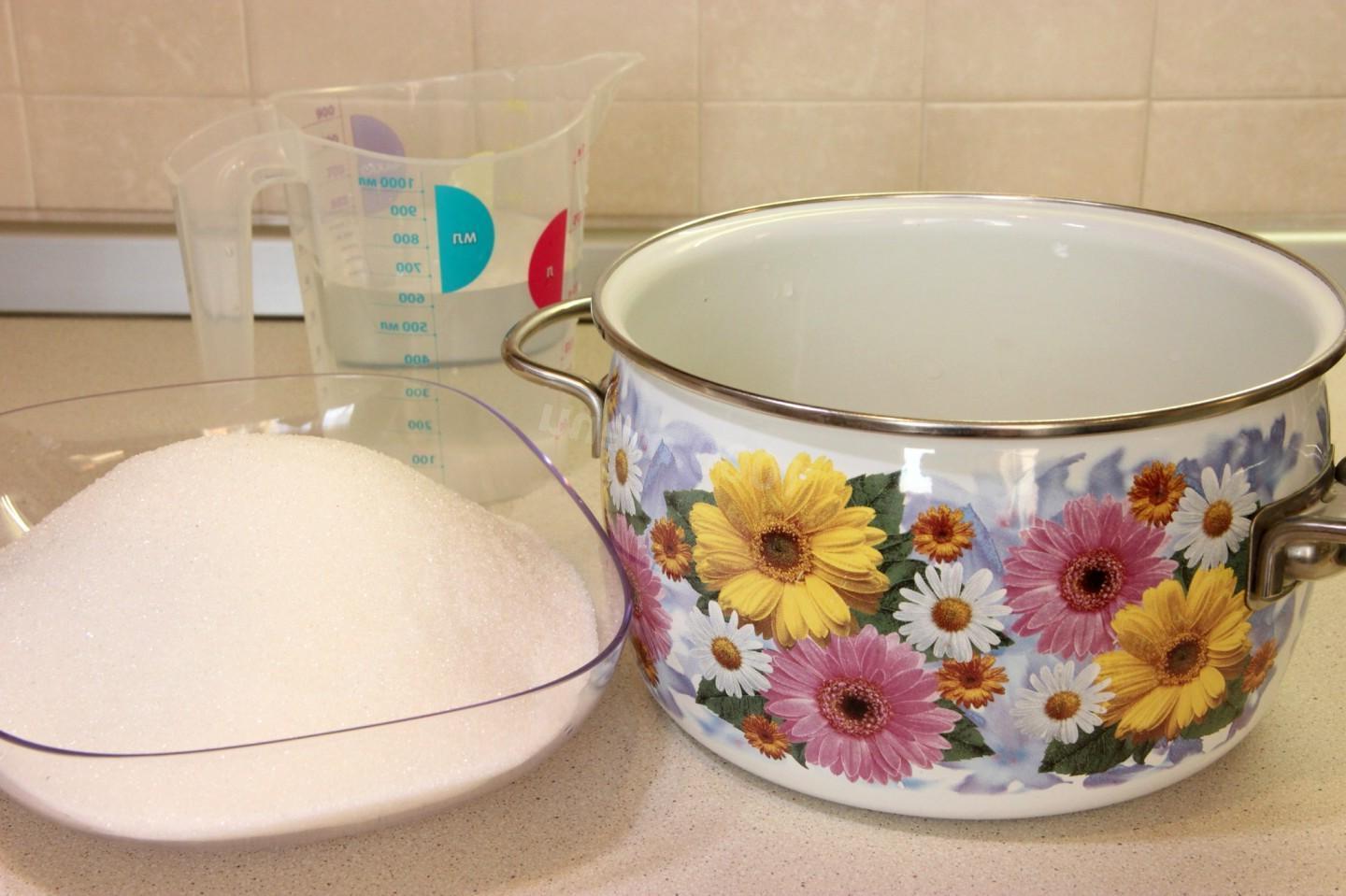
While the peel blanching cycles are going on, prepare the syrup: — Pour 500g of sugar into a saucepan, add 250 ml of water, stir. Cook over low heat until the sugar dissolves, add heat and bring to a boil.

Step 9

Step 9
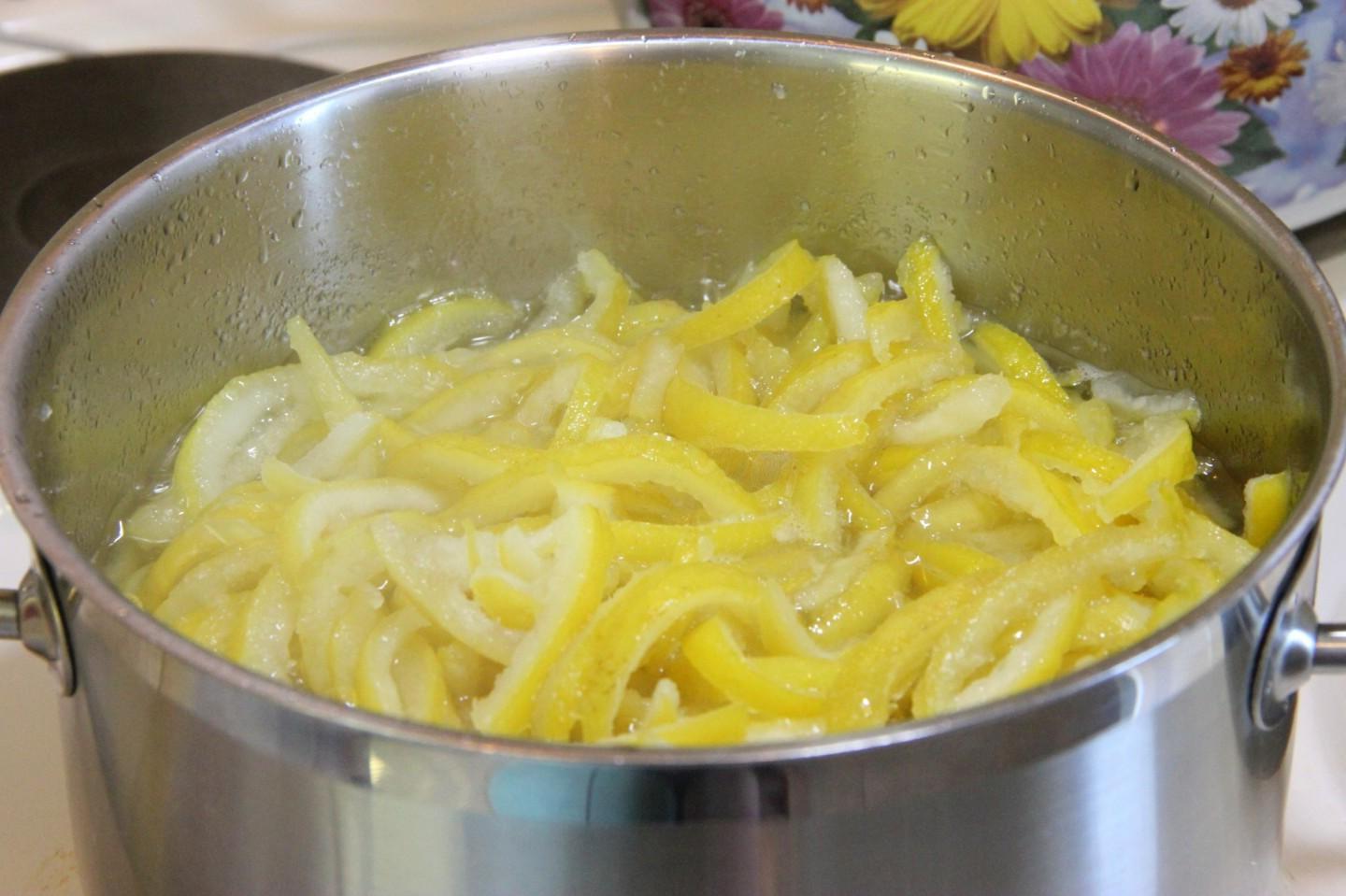
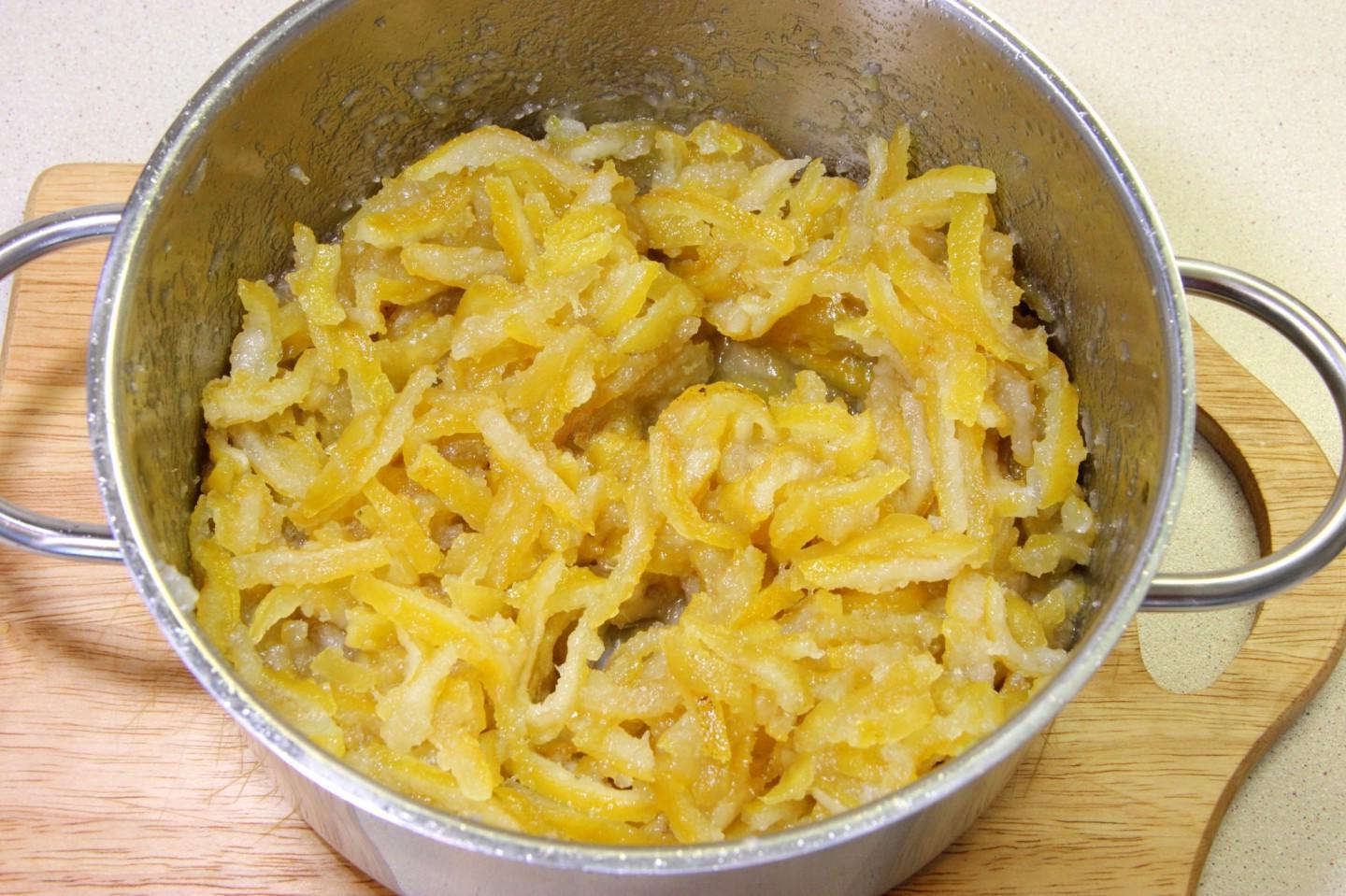
Throw the crusts into boiling syrup and cook over low heat. Adjust so that it gurgles quietly, without splashes or fading. Do not cover with a lid.

Step 10

Step 10
Cook for about 1 hour until the syrup has completely boiled away. Make sure that the crusts do not burn, but that there is almost no syrup left. Then place the crusts in a colander or sieve and let cool.

Step 11

Step 11
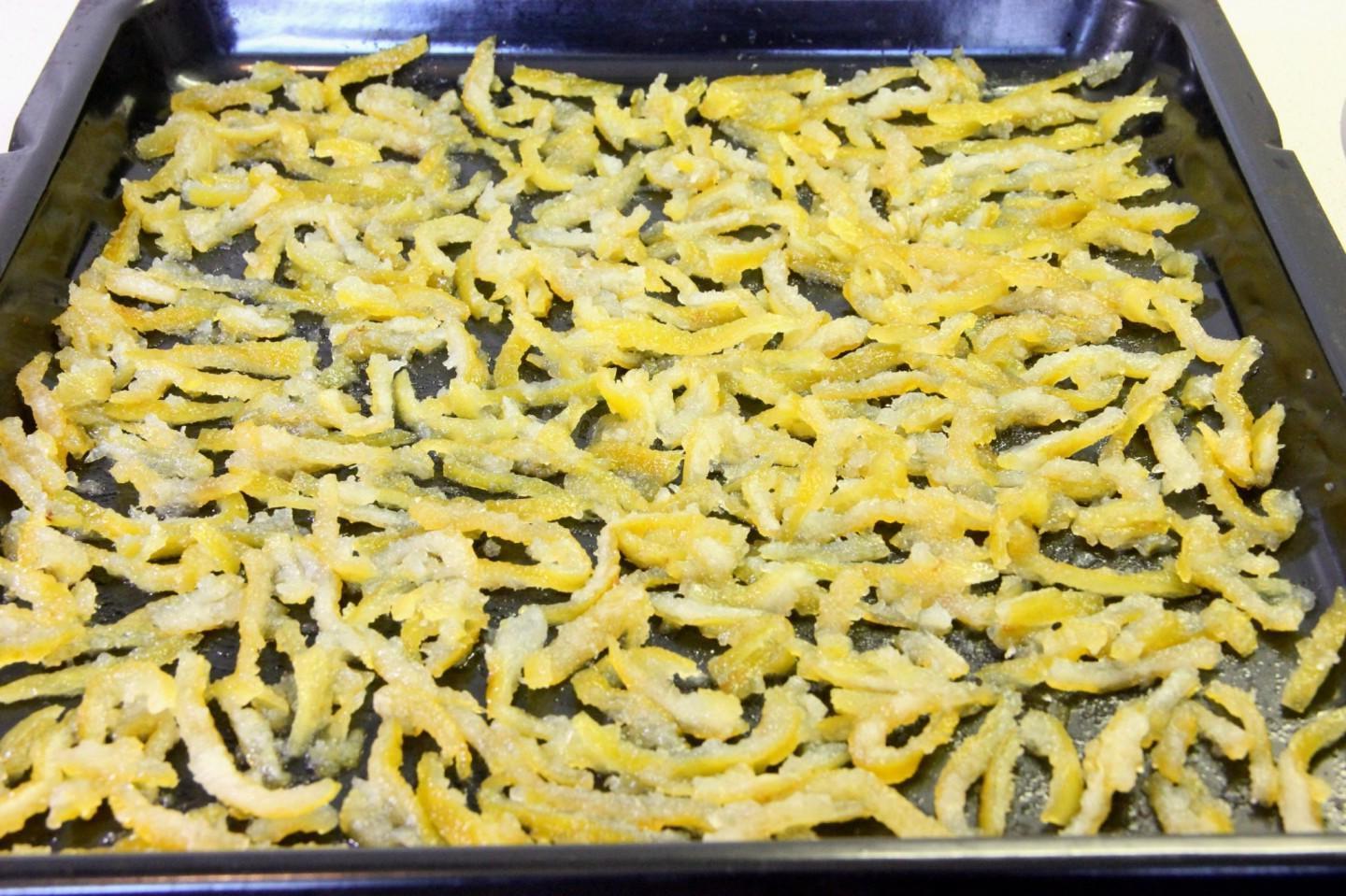
When there are a lot of crusts, laying them out in even rows is quite troublesome, so I put them directly on a baking sheet (I don’t put paper). I carefully distribute the crusts, trying to evenly fill the space into a thin layer. And just when there are a lot of crusts, I put the baking sheet in the oven for 1 hour with the door ajar. I dry candied fruits in an electric oven, periodically switching the temperature from 50 to 80 degrees. Use your oven as a guide, but donʼt turn it on over 80.

Step 12

Step 12
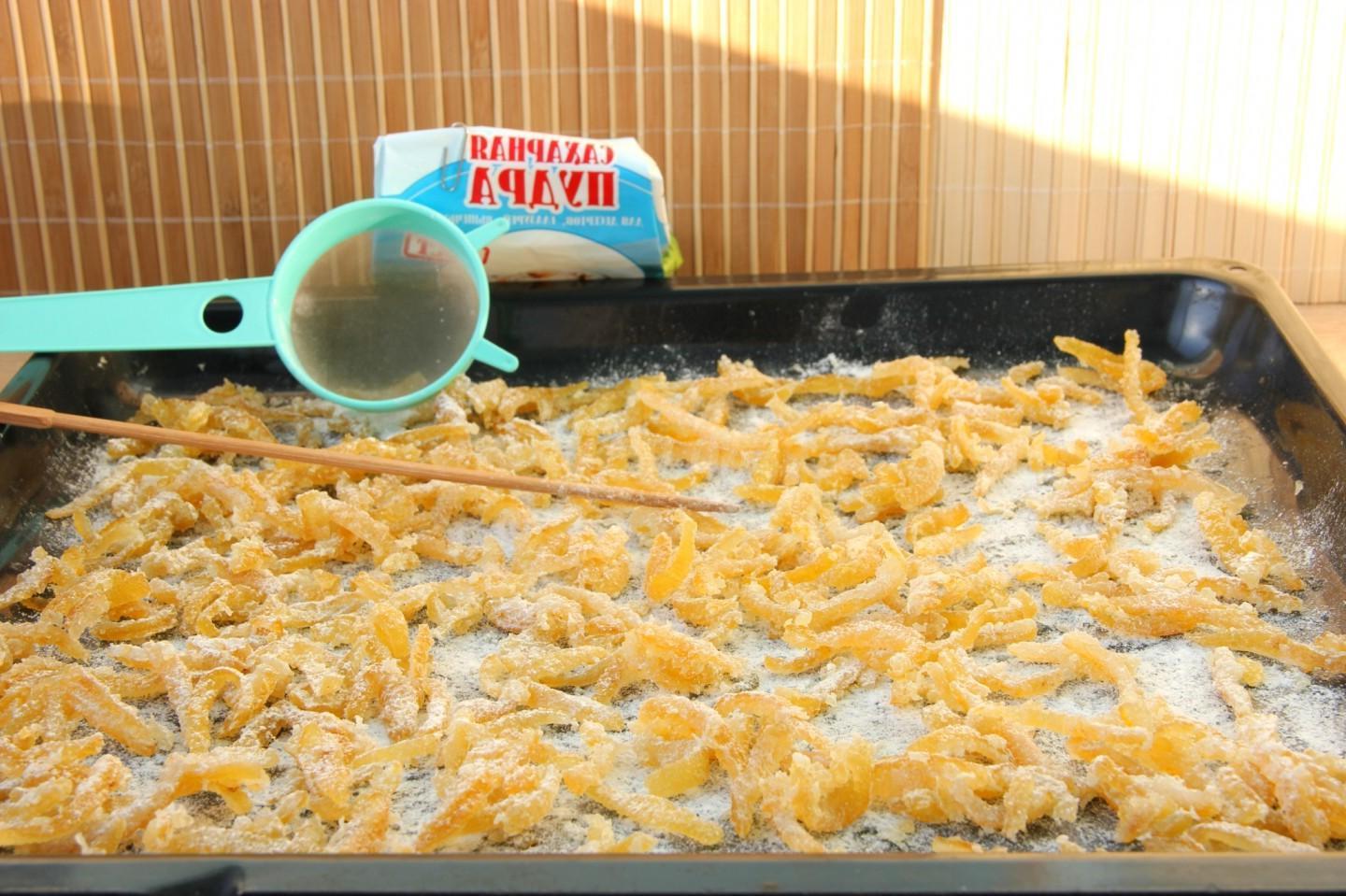
After an hour, I turn the candied fruits over, simply stir them with a Chinese chopstick and air dry them for a couple of hours. Then sprinkle with powdered sugar, mix and leave under gauze for a day. When ready, store in the refrigerator in a glass container. It turned out to be almost kg of candied fruit.

Step 13

Step 13
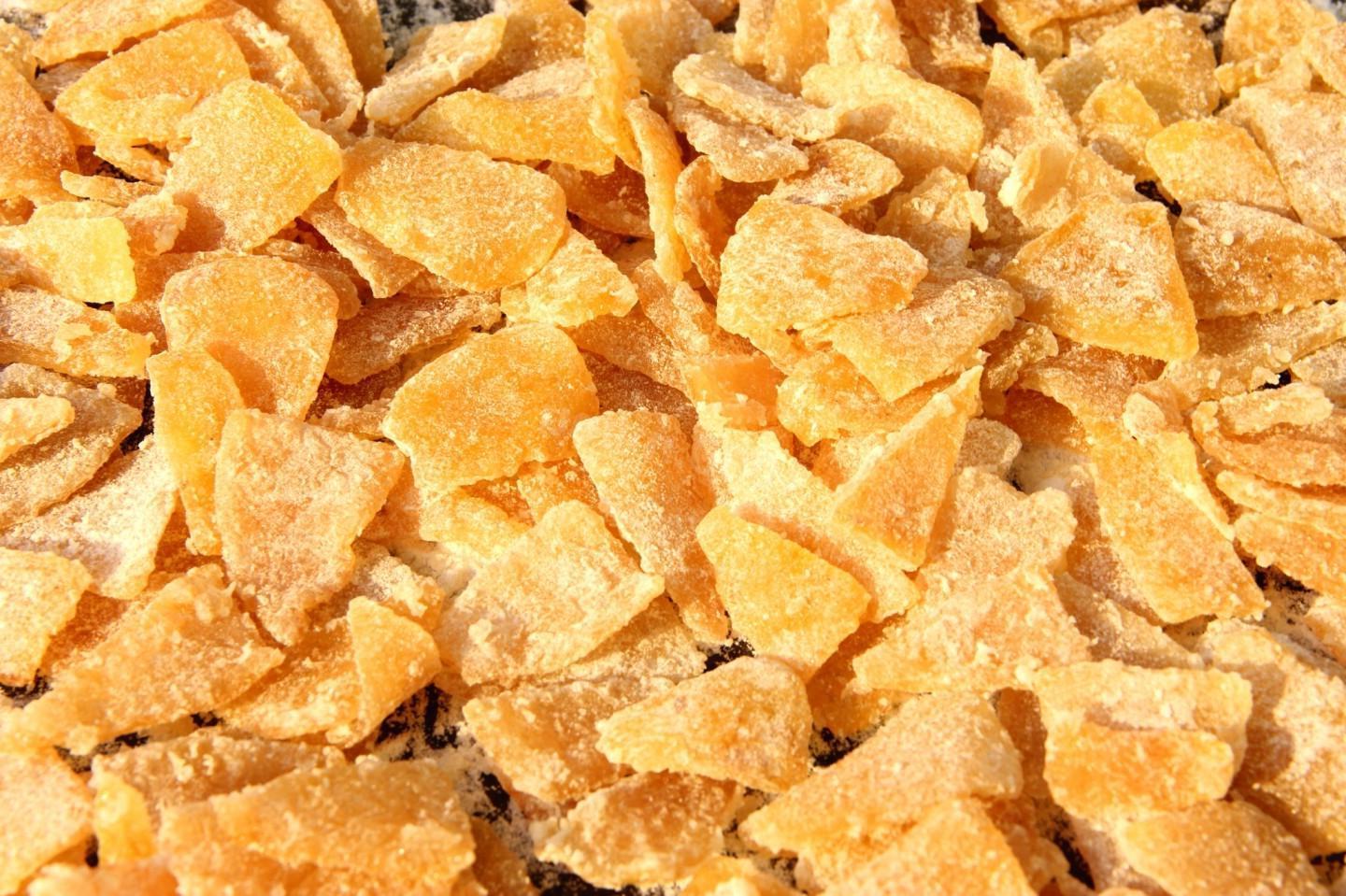
We sell larger-sized candied citrus fruits instead of candies, but I prefer the straw format for baking.