Fluffy Whole Grain Sourdough Bread

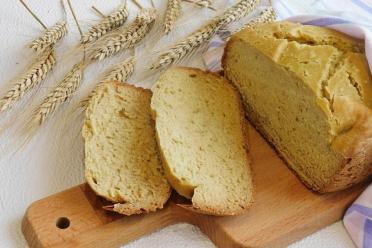
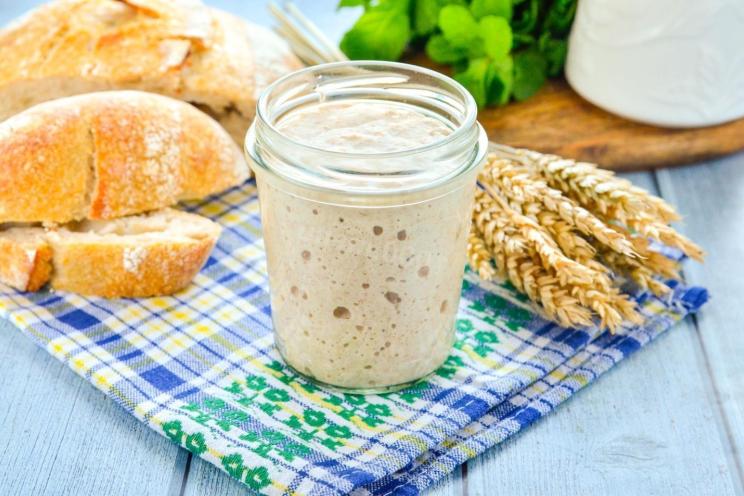
For the most delicious and healthy homemade baked goods! Sourdough for unleavened bread is based on whole grain wheat flour. It is less capricious than regular wheat, and the bread it produces is incredibly fluffy, spongy and very tasty!
cook time: 216h
Hazel Farrow
Fluffy Whole Grain Sourdough Bread

Nutrition Facts (per serving)

149
Calories
1g
Fat
28g
Carbs
6g
Protein

Ingredients (1 portion)

Basic:

Water (+ 280ml for daily feeding) 50 ml
Whole wheat flour (+ 280gr. for daily feeding) 50 g

Recipe instructions

Step 1
Step 1
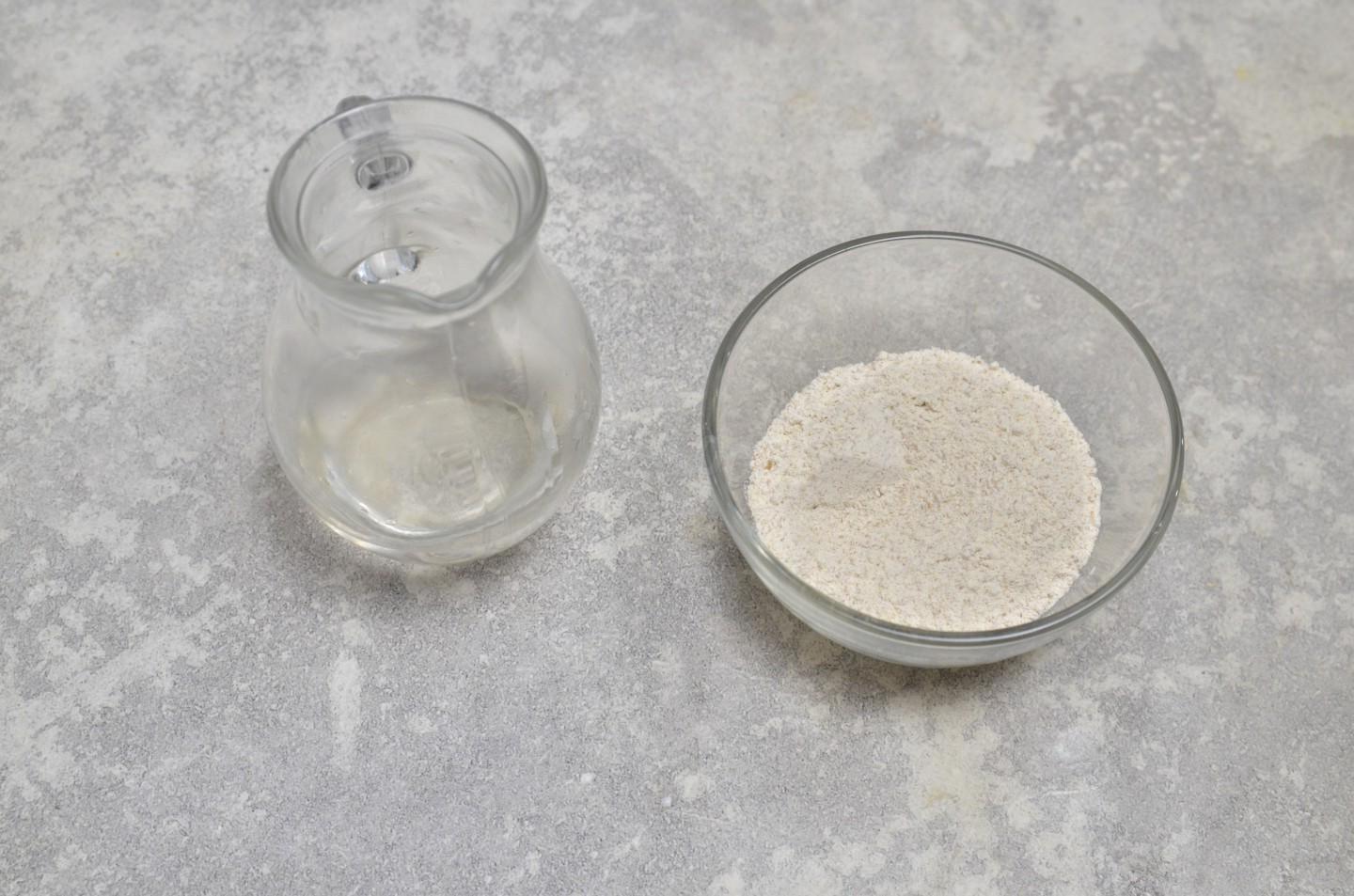
How to make sourdough for yeast-free bread at home? Prepare your food. Take whole grain wheat flour. You can also take half whole grain and 1st grade flour. 2nd grade flour works well. Be careful with premium flour; you need to choose “strong” flour. My sourdough did not work out with premium flour. So I actively advise using whole grain. Take filtered water, but not boiled, this is important.

Step 2

Step 2
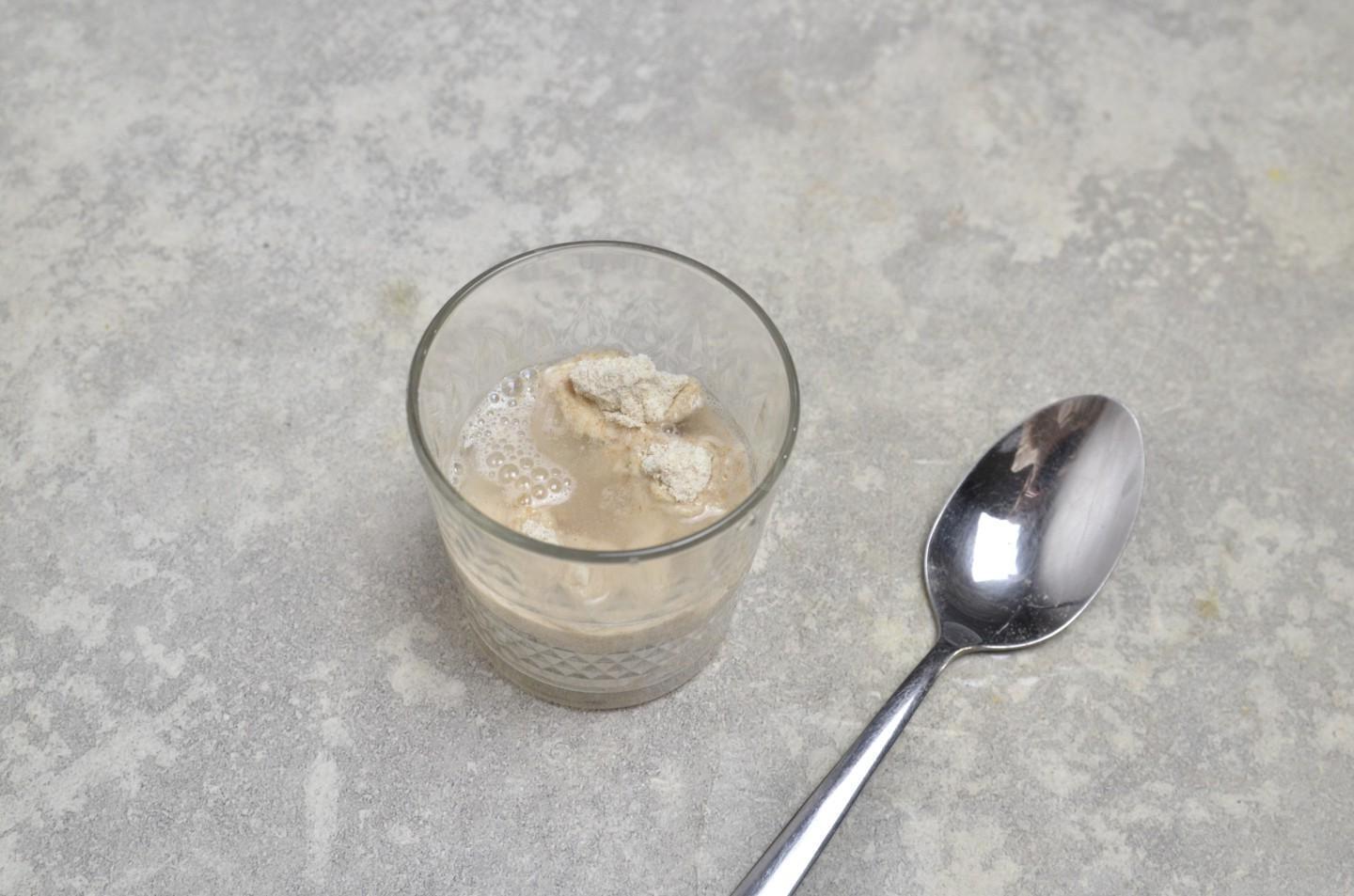
Take a glass jar or a small glass, it is better if it is tall — it will be easier for the starter to grow in this way. A food-grade plastic container will also work. Pour 50 grams of whole grain flour into the selected container. Pour in 50 grams of water at room temperature. Stir the flour and water until the flour is completely moistened.

Step 3

Step 3
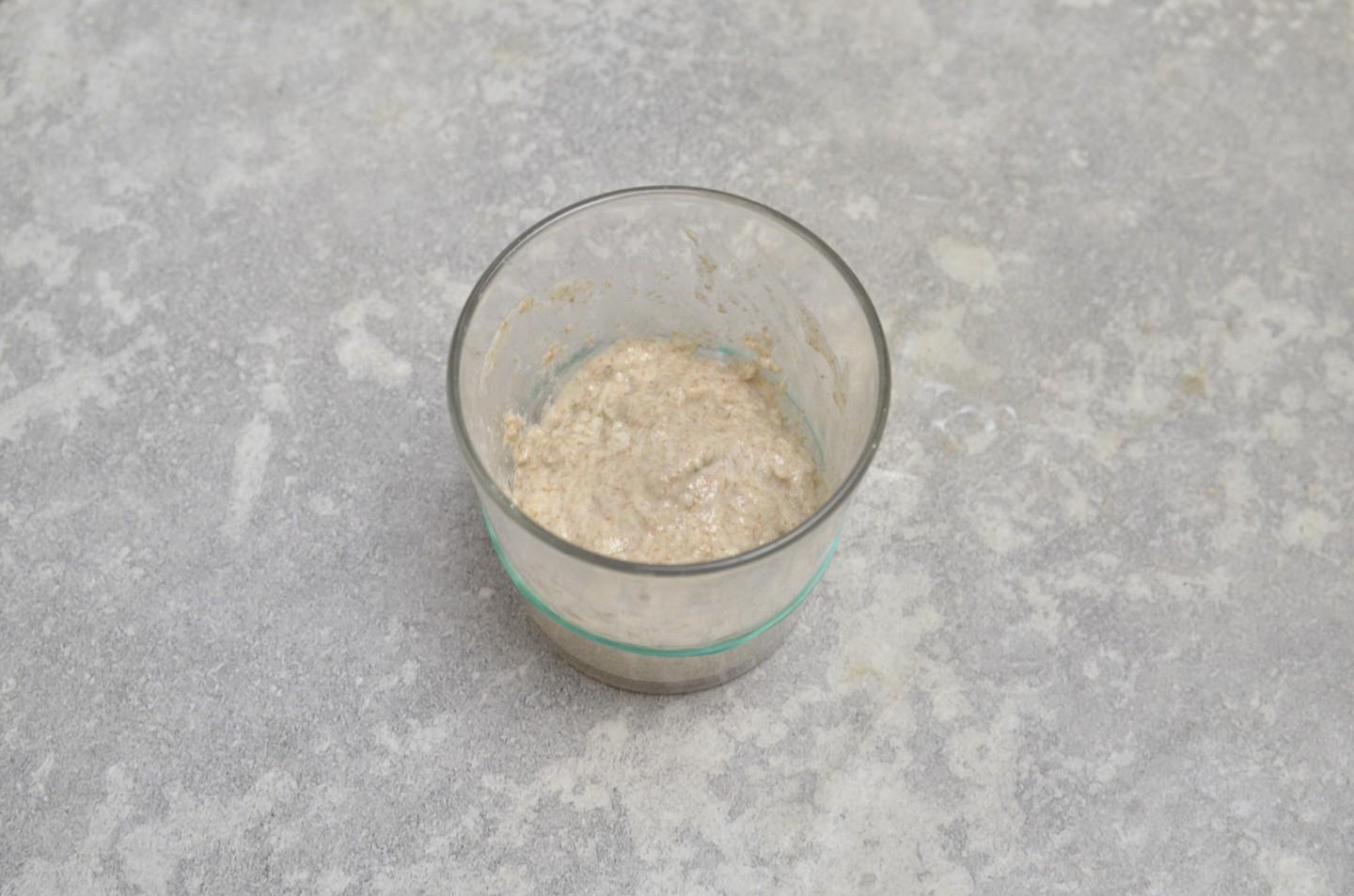
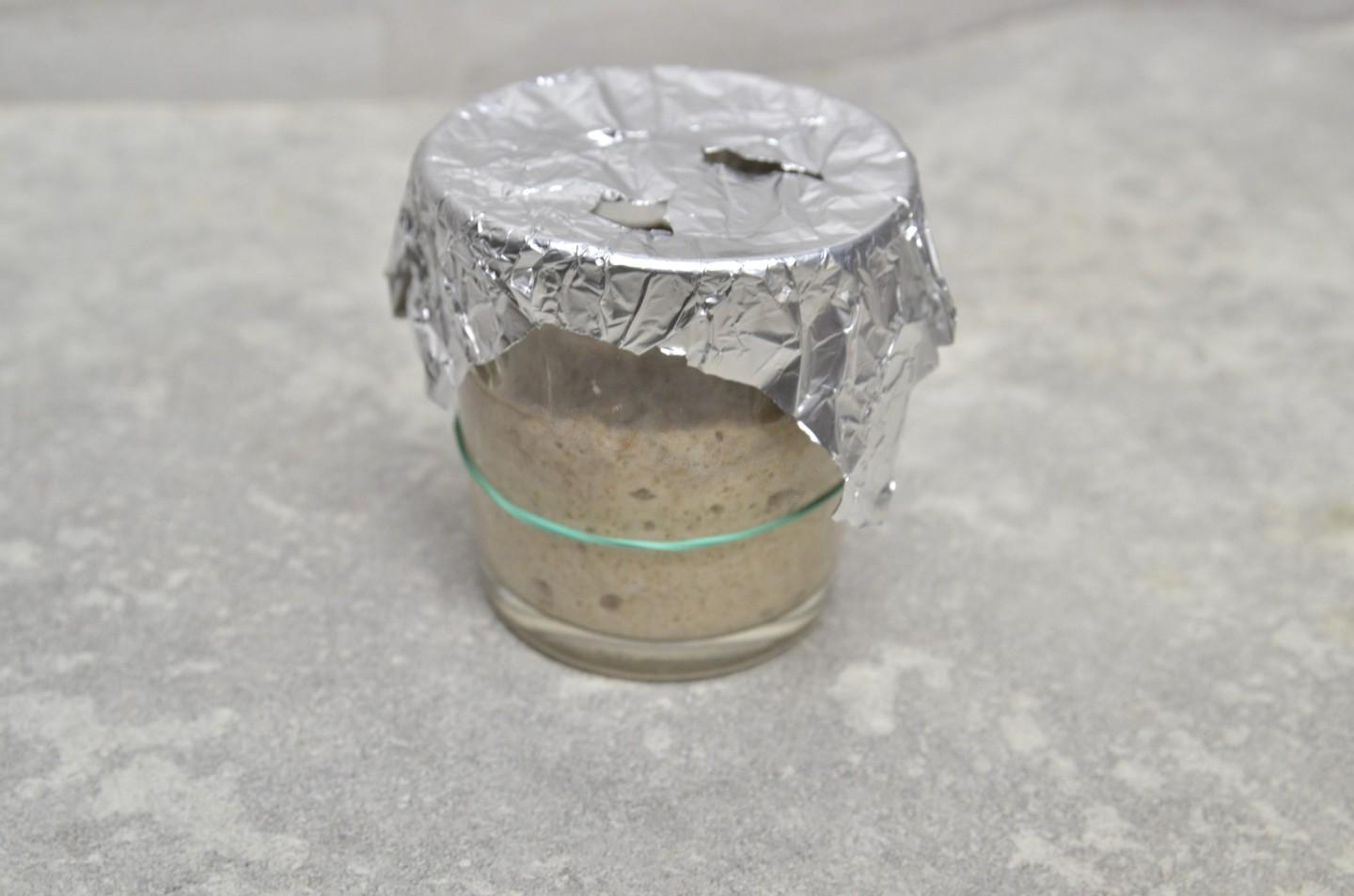
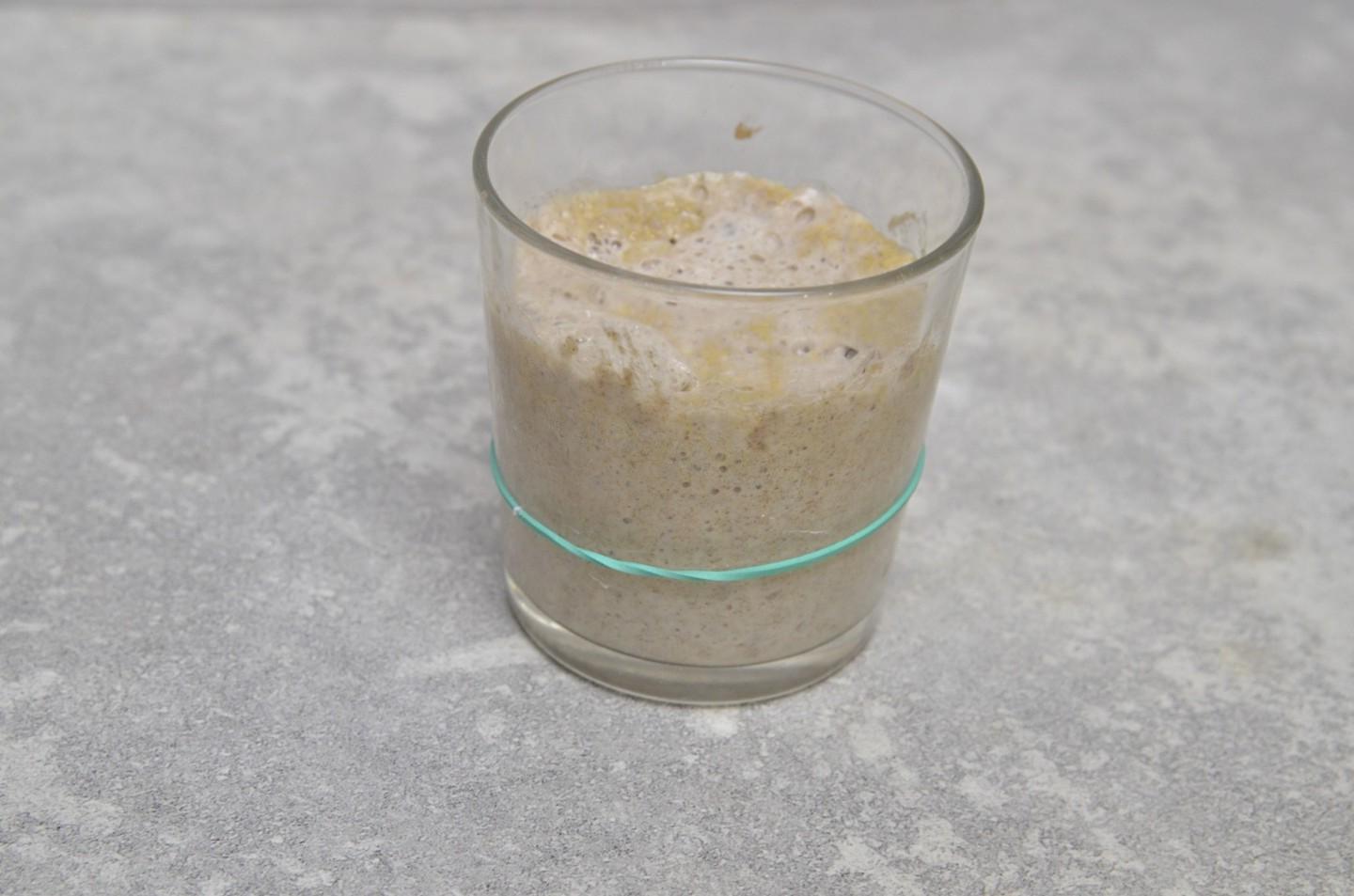
You will get a thick mass. Press it down with a spoon so that the top is even. Place a rubber band on the glass to mark the level of the starter. This will make it easier for you to monitor how the starter is growing. You can also mark its level with a marker. Cover the glass with a piece of foil and make holes in it with a knife. Place the starter in a dry, draft-free place for two days.

Step 4

Step 4
I put the glass in the kitchen cabinet. During this time, fermentation processes will begin in the sourdough — it will become bubbly and double in size. Its smell will also change — it will become sharp and slightly unpleasant. That’s right, it means bacteria have settled in it. But if you suddenly notice mold on the surface, throw away the starter; it will no longer be suitable.

Step 5

Step 5
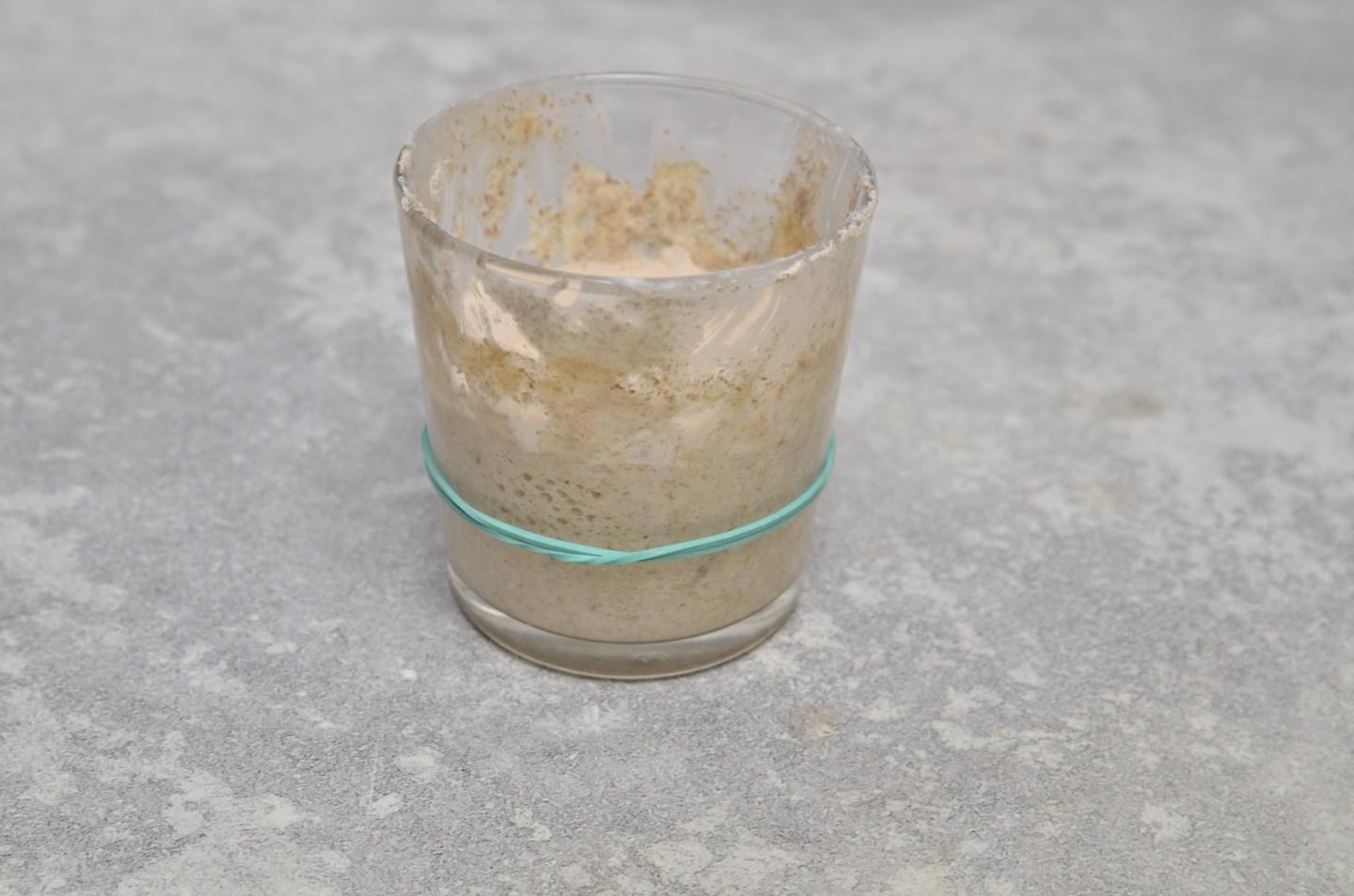
After the first two passive days, the process of feeding the starter begins. To do this, take a bowl and put 20 grams of starter in it (throw away the remaining starter). Add to it 40 grams of whole grain flour and 40 grams of water at room temperature. Stir. Place the resulting mixture in a clean glass and also mark its level with an eraser. Cover the glass again with foil and leave for 24 hours. During this time, the starter will grow again.

Step 6

Step 6
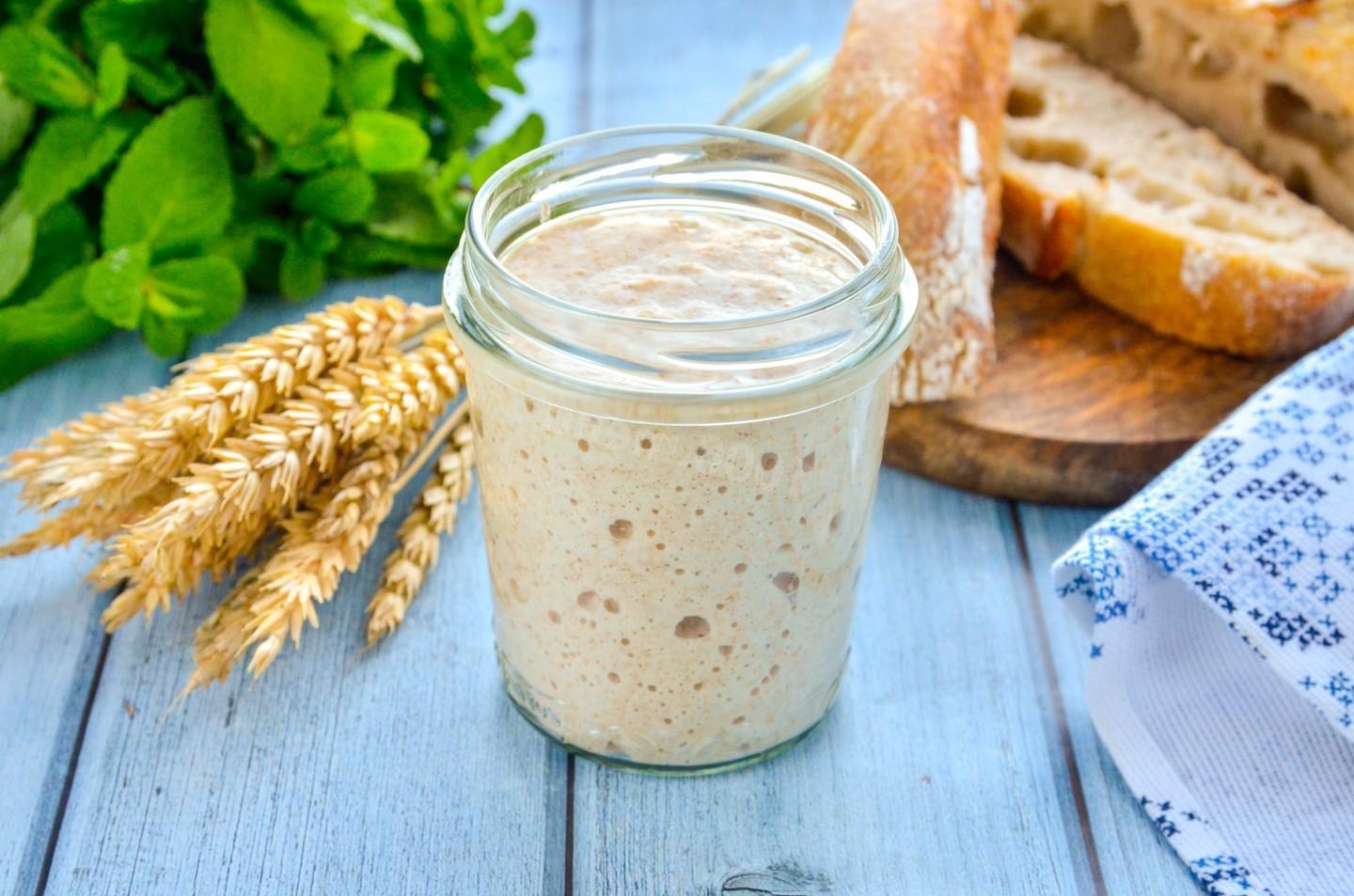
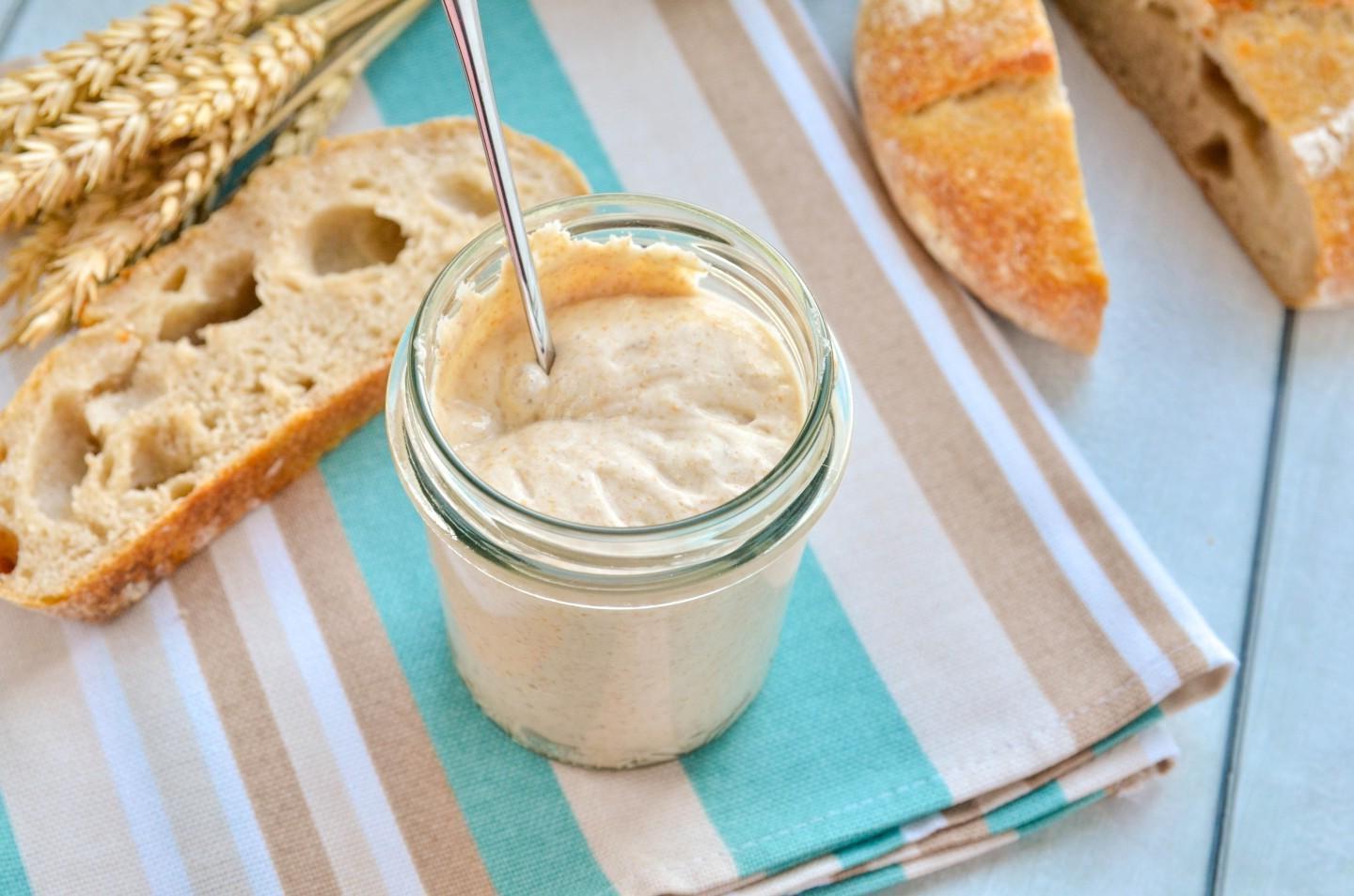
Feed the starter according to this scheme (20+40+40) every 24 hours. Gradually it will acquire a pleasant sour smell, similar to the smell of dough. Every day the level of sourdough will grow more and more. The starter is ready when it has doubled in size 12 hours after feeding. This usually takes 7 days.

Step 7

Step 7
When this happens, you can start baking bread. If you plan to bake bread not immediately, but once every two days, store the starter in a cool place, using it as needed and feeding it in the proportion of 1 part starter — 2 parts water — 2 parts flour every two days (20+40+40).

Step 8

Step 8
Otherwise, it is better to store the starter in the refrigerator, transferring it to a jar with a lid. In this case, feed the starter every 7 days (20+40+40). Before baking bread, remove it from the refrigerator 12 hours before and feed it according to the same scheme. You don’t have to throw away the excess leaven, but bake pancakes with it, replacing part of the flour with it.